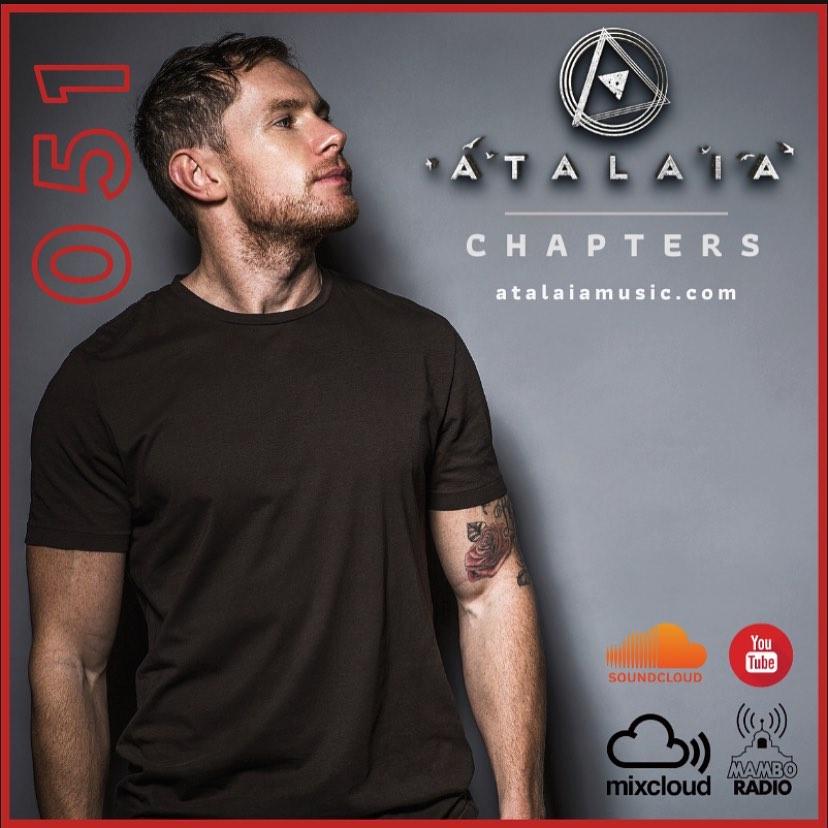
Mae Thorne

Electronic
Techno
Melodic Techno
 Viberate Rank: 722327
 Viberate Rank: 722327
 Monthly ListenersFollowers
 Subscribers
 Followers
 Followers
 FansTop Spotify Songs
| Track | 7-Day Streams | |
|---|---|---|
1 | 43 | |
2 | 15 | |
3 | 14 |
Top YouTube VideosMonthly ListenersFeatured in Playlists| Playlist | Followers | |
|---|---|---|
1 |  Deep Techno Rene Rachfalski | 35.87K |
2 |  Berlin Club Sounds – Melodic House & Techno, Deep & Progressive House Klangspot Recordings | 3.33K |
3 | Berlin Calling Michael Garcia | 1.70K |
4 |  This Is Miyagi Spotify | 481 |
Audience| City | Monthly Listeners | |
|---|---|---|
1 |  | 9 |
2 | | 6 |
3 | | 4 |
4 | | 4 |
5 |  | 4 |
See full performance history, audience data, playlist activity, rankings, comparisons, and more in Viberate music analytics. Start with a free trial, then continue with a paid plan.
Mae Thorne’s Spotify BioMel, known as Mae Thorne is a South African-born DJ and music producer based in
Washington, D.C.
Known for her ability to curate musical journeys, she is known to deliver powerful and
punchy melodic house and techno blended with edgy, playful indie dance and deep, soulful
melodies. Rooted in the sounds of the 80s and 90s alternative rock she grew up with, Mae
Thorne infuses her music with an emotive depth and raw energy that reflect her diverse
influences.
What began as a passion for bringing joy to the dancefloor, naturally evolved into a drive to
create her own productions. In 2024 she played her debut track, followed by collaborative
singles in late 2024 and mid-2025, marking the start of a growing catalog of original work.
Mae Thorne also embraces her alter ego, “Bad Bitch” first born during her DJ debut in 2021.
This persona embodies her ethos of empowerment, reminding audiences to channel their
inner boldness, pursue their dreams fearlessly, and celebrate individuality both on and off
the… dancefloor.
Viberate is a music analytics platform built for A&Rs, artist managers, labels, booking agents, marketers, and artists.
It helps music professionals track artist growth, analyze audience data, monitor playlist activity, compare artists, follow song performance, and identify opportunities across the music market.
Public artist pages provide a free preview of selected artist data. Paid plans provide access to deeper analytics, historical data, charts, comparisons, playlist tools, exports, alerts, reports, and additional professional features.
Yes. Public Viberate artist pages provide selected artist analytics and music data for free.
Viberate also offers a 7-day free trial of the full platform. A credit card is required to start the trial. The trial includes access to the complete product so users can test deeper artist analytics, historical views, playlist insights, comparisons, charts, exports, alerts, and reporting features before choosing a paid plan.
Viberate provides artist analytics across streaming, playlists, social media, video, radio airplay, songs, and audience markets.
Users can analyze Spotify performance, Spotify and Apple Music playlists, YouTube activity, TikTok and Instagram growth, radio spins, song performance, audience locations, demographics, rankings, and overall artist momentum.
Artist profiles also connect to music charts, similar artists, and comparison tools, helping users benchmark performance and evaluate artists in context.
Viberate updates key artist and track data daily.
For followed artists and tracks, selected data is refreshed multiple times per day. This helps teams monitor playlist changes, streaming movement, audience growth, releases, and campaign performance with more current data.
Update frequency can vary depending on the metric and data source.
Yes. Viberate lets users compare up to five artists side by side across streaming, social media, audience, and engagement metrics.
Users can compare fanbase growth, audience demographics, locations, Spotify performance, social metrics, and other artist data over selected time periods.
Artist comparison can be used for A&R scouting, benchmarking, booking decisions, campaign planning, and evaluating artists with similar audiences or market positions.