Maddie Baillio

Pop
Mainstream Pop
 Viberate Rank: 180407
 Viberate Rank: 180407
 Monthly ListenersFollowers
 Subscribers
 Followers
 Followers
 FansTop Spotify Songs
| Track | 7-Day Streams | |
|---|---|---|
1 | 16.79K | |
2 | 7.98K | |
3 | 4.59K | |
4 | 2.66K | |
5 | 1.95K |
Top YouTube VideosMonthly ListenersFeatured in Playlists| Playlist | Followers | |
|---|---|---|
1 |  Ariana - all songs Ay | 159.64K |
2 |  all ariana grande songs vera giovannini | 72.25K |
3 |  2025 DANCE PARTY🕺 CDBEATS | 57.79K |
4 |  ADHD Girlies Cleaning Playlist 🧽🧹🧺 Nessy | 31.76K |
5 |  Ariana Grande - All Songs grandeeyuh ☁️ | 30.19K |
Audience| City | Monthly Listeners | |
|---|---|---|
1 |  | 1.28K |
2 |  | 903 |
3 | | 867 |
4 | | 650 |
5 | | 626 |
See full performance history, audience data, playlist activity, rankings, comparisons, and more in Viberate music analytics. Start with a free trial, then continue with a paid plan.
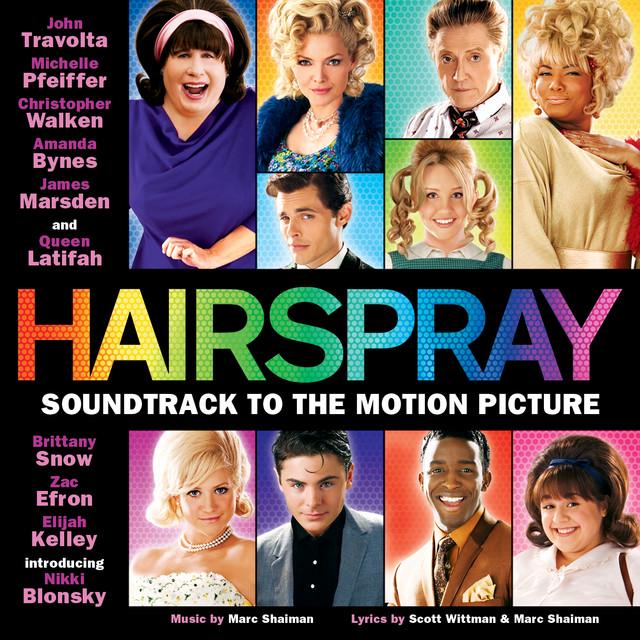
Maddie Baillio’s Spotify BioMaddie Baillio rose from obscurity to celebrity practically overnight in December 2016, when she made her professional acting debut in Hairspray Live!, an NBC television adaptation of the hit musical Hairspray, based on the film by John Waters. Baillio played the leading role of Tracy Turnblad, a zaftig teenager who becomes a sensation on a teen dancing show in early-'60s Baltimore. Madelyn Marie Baillio was born in League City, Texas on February 15, 1996. In high school, Baillio developed a passion for both music and acting, and was active in school theater and choir. After graduating from high school, Baillio headed to New York City, where she enrolled at Marymount Manhattan College. After seeing the 2007 film adaptation of Hairspray, Baillio hoped to play Tracy someday, and when she heard that NBC was holding open auditions for the role for their TV production, she arrived at 6:45 a.m. for a 10 a.m. call. Over a thousand young women auditioned for the lead, but after four callbacks… (including one where she forgot the lyrics to "Good Morning Baltimore" and made up verses to fill the blanks), Baillio landed her dream role in a production that also featured Kristin Chenoweth, Jennifer Hudson, Martin Short, Ariana Grande, Harvey Fierstein, and Andrea Martin. Hairspray Live! was first aired on December 7, 2016, and Baillio's debut was soon released on DVD, while she also appeared on a soundtrack album of the show that was digitally released two days after the broadcast. ~ Mark Deming, Rovi
Viberate is a music analytics platform built for A&Rs, artist managers, labels, booking agents, marketers, and artists.
It helps music professionals track artist growth, analyze audience data, monitor playlist activity, compare artists, follow song performance, and identify opportunities across the music market.
Public artist pages provide a free preview of selected artist data. Paid plans provide access to deeper analytics, historical data, charts, comparisons, playlist tools, exports, alerts, reports, and additional professional features.
Yes. Public Viberate artist pages provide selected artist analytics and music data for free.
Viberate also offers a 7-day free trial of the full platform. A credit card is required to start the trial. The trial includes access to the complete product so users can test deeper artist analytics, historical views, playlist insights, comparisons, charts, exports, alerts, and reporting features before choosing a paid plan.
Viberate provides artist analytics across streaming, playlists, social media, video, radio airplay, songs, and audience markets.
Users can analyze Spotify performance, Spotify and Apple Music playlists, YouTube activity, TikTok and Instagram growth, radio spins, song performance, audience locations, demographics, rankings, and overall artist momentum.
Artist profiles also connect to music charts, similar artists, and comparison tools, helping users benchmark performance and evaluate artists in context.
Viberate updates key artist and track data daily.
For followed artists and tracks, selected data is refreshed multiple times per day. This helps teams monitor playlist changes, streaming movement, audience growth, releases, and campaign performance with more current data.
Update frequency can vary depending on the metric and data source.
Yes. Viberate lets users compare up to five artists side by side across streaming, social media, audience, and engagement metrics.
Users can compare fanbase growth, audience demographics, locations, Spotify performance, social metrics, and other artist data over selected time periods.
Artist comparison can be used for A&R scouting, benchmarking, booking decisions, campaign planning, and evaluating artists with similar audiences or market positions.