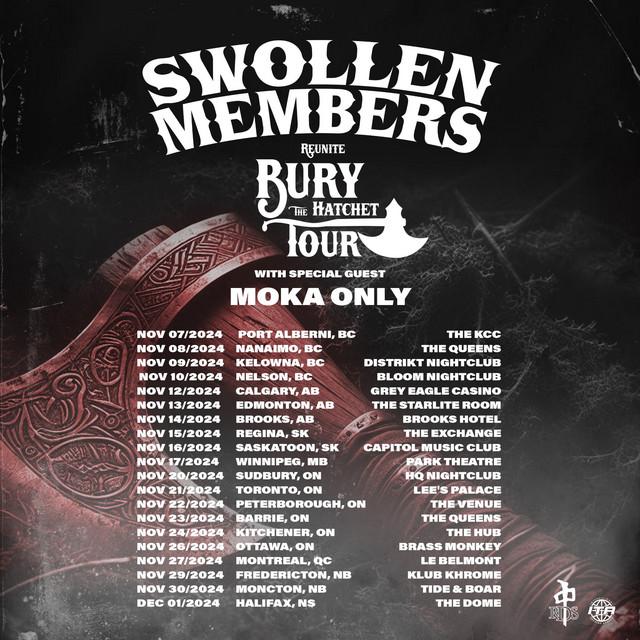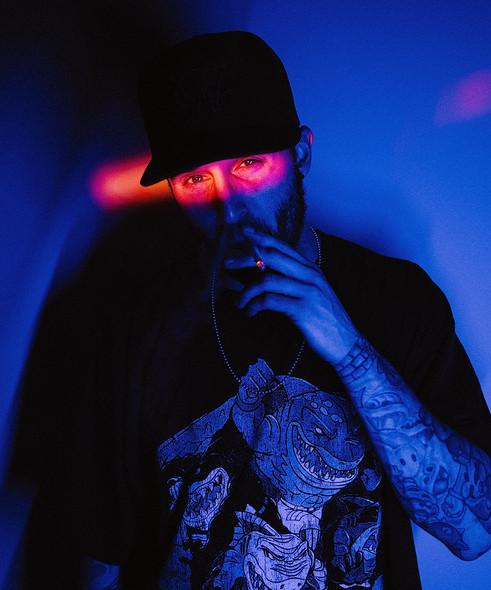
Madchild

Hip Hop
Contemporary Hip Hop
Underground Hip Hop
 Viberate Rank: 20482
 Viberate Rank: 20482
 Monthly ListenersFollowers
 Subscribers
 Followers
 Followers
 FansTop Spotify Songs
| Track | 7-Day Streams | |
|---|---|---|
1 | 75.36K | |
2 | 43.16K | |
3 | 28.98K | |
4 | 22.75K | |
5 | 22.52K |
Top YouTube VideosMonthly ListenersFeatured in Playlists| Playlist | Followers | |
|---|---|---|
1 | Jelly Roll greatist hits asprinkle502 | 123.75K |
2 | Oldschool HipHop NewJT | 115.95K |
3 |  This Is Tom MacDonald Spotify | 110.06K |
4 |  This Is Insane Clown Posse Spotify | 82.47K |
5 | Jelly Roll – All songs Unknown | 79.62K |
Audience| City | Monthly Listeners | |
|---|---|---|
1 |  | 17.23K |
2 | | 14.18K |
3 | | 13.24K |
4 | | 11.75K |
5 | | 9.42K |
See full performance history, audience data, playlist activity, rankings, comparisons, and more in Viberate music analytics. Start with a free trial, then continue with a paid plan.
Madchild’s Spotify BioBorn in North Vancouver, British Columbia, rapper Shane Bunting is best known by his stage name, Madchild. A founding member of the Canadian hip-hop group Swollen Members, Madchild rose to prominence throughout the 2000s, winning four Juno Awards with the group, as well as a number of other accolades from Canadian music organizations. The MC's career took a downward turn in 2006 when Bunting fell into a pill addiction, developing a $500-a-day habit before getting clean and making his struggles public in 2009. In 2011, Madchild found himself barred entry into the United States due to an alleged connection with the Hells Angels. That same year also saw Bunting release a solo mixtape, M.A.D.E. (Misguided Angel Destroys Everything). Madchild followed up the next year with his official full-length debut, Dope Sick, which was released through Battle Axe Records. The next year, he issued Lawn Mower Man, his first album to chart on the Billboard 200. After the release of the Switched On EP,… Madchild unveiled Silver Tongue Devil in 2015, another Top Three album on the Canadian charts. He teamed up with California-based rapper and producer Evidence for 2018's The Darkest Hour, and in 2019 issued the hard-hitting Demons. ~ Gregory Heaney, Rovi
Viberate is a music analytics platform built for A&Rs, artist managers, labels, booking agents, marketers, and artists.
It helps music professionals track artist growth, analyze audience data, monitor playlist activity, compare artists, follow song performance, and identify opportunities across the music market.
Public artist pages provide a free preview of selected artist data. Paid plans provide access to deeper analytics, historical data, charts, comparisons, playlist tools, exports, alerts, reports, and additional professional features.
Yes. Public Viberate artist pages provide selected artist analytics and music data for free.
Viberate also offers a 7-day free trial of the full platform. A credit card is required to start the trial. The trial includes access to the complete product so users can test deeper artist analytics, historical views, playlist insights, comparisons, charts, exports, alerts, and reporting features before choosing a paid plan.
Viberate provides artist analytics across streaming, playlists, social media, video, radio airplay, songs, and audience markets.
Users can analyze Spotify performance, Spotify and Apple Music playlists, YouTube activity, TikTok and Instagram growth, radio spins, song performance, audience locations, demographics, rankings, and overall artist momentum.
Artist profiles also connect to music charts, similar artists, and comparison tools, helping users benchmark performance and evaluate artists in context.
Viberate updates key artist and track data daily.
For followed artists and tracks, selected data is refreshed multiple times per day. This helps teams monitor playlist changes, streaming movement, audience growth, releases, and campaign performance with more current data.
Update frequency can vary depending on the metric and data source.
Yes. Viberate lets users compare up to five artists side by side across streaming, social media, audience, and engagement metrics.
Users can compare fanbase growth, audience demographics, locations, Spotify performance, social metrics, and other artist data over selected time periods.
Artist comparison can be used for A&R scouting, benchmarking, booking decisions, campaign planning, and evaluating artists with similar audiences or market positions.