Mad God

Metal
Black Metal
Doom/Sludge Metal
 Viberate Rank: 519986
 Viberate Rank: 519986
 Monthly ListenersFollowers
 Subscribers
 Followers
 Followers
 FansTop Spotify Songs
| Track | 7-Day Streams | |
|---|---|---|
1 | 58 | |
2 | 14 | |
3 | 11 | |
4 | 7 | |
5 | 7 |
Top YouTube VideosMonthly ListenersFeatured in Playlists| Playlist | Followers | |
|---|---|---|
1 |  Stoner Metal The Brick | 21.40K |
2 |  𝐏𝐬𝐲𝐜𝐡edelic 𝐒𝐭𝐨𝐧𝐞𝐫 𝐌𝐚𝐫𝐬𝐡 𝙎𝙩𝙤𝙢𝙥𝙞𝙣𝙜𝙇𝙡𝙖𝙢𝙖 | 3.18K |
3 |  Stoner Rock Radio gfletch32 | 2.35K |
4 |  SLOWLY selected-by-guerino | 1.39K |
Audience| City | Monthly Listeners | |
|---|---|---|
1 | | 15 |
2 | | 8 |
3 |  | 5 |
4 |  | 4 |
5 |  | 4 |
See full performance history, audience data, playlist activity, rankings, comparisons, and more in Viberate music analytics. Start with a free trial, then continue with a paid plan.
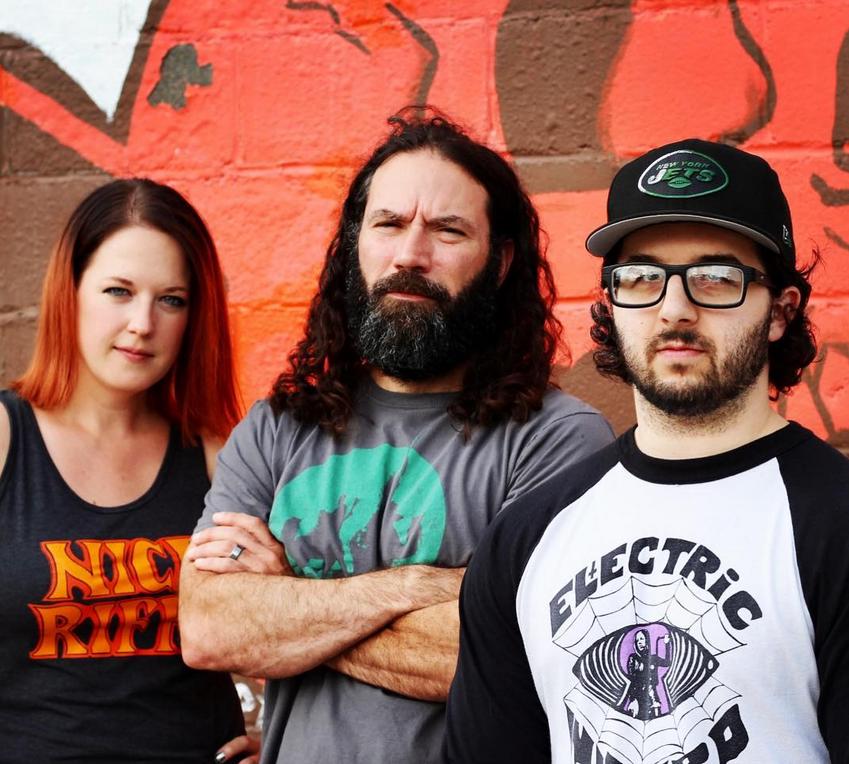
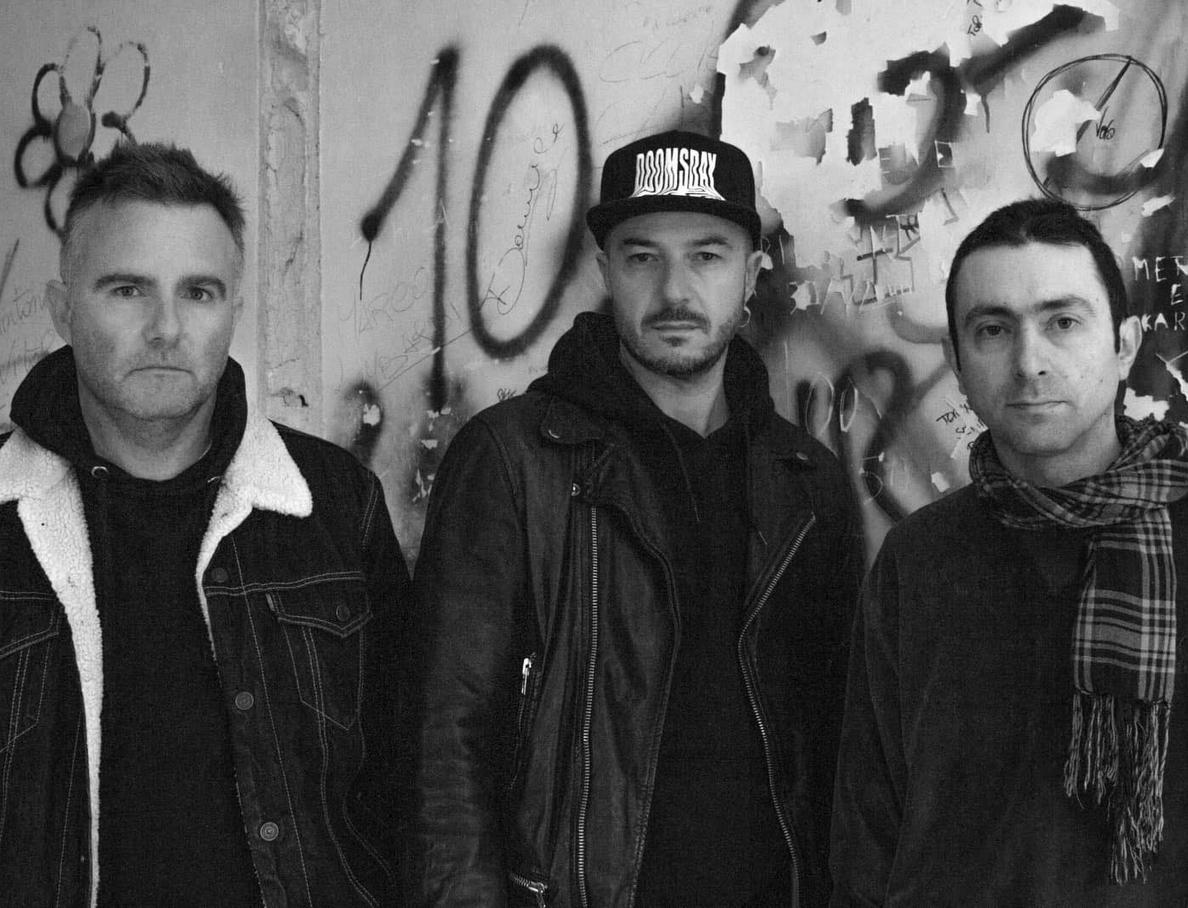
Mad God’s Spotify BioMad God is a traditional/stoner doom metal band that formed in 2014, featuring Tim Harbour (vocals and guitar), Patrick Stephansen (drums) and Danny Helsing (bass). Their music bridges the gap between classic and psychedelic doom with content drawing from cosmic horror and true crime on albums A Tale of A Sightless City (2017) and Grotesque and Inexorable (2018). With their new release, they are delivering a concept album with dark fantasy roots. Musically, the album draws on more progressive influences and tells a story of a wartorn kingdom, a young woman's quest for absolution and a father's twisted journey towards vindication. The new album was recorded live at Helsing Studios, delivering a powerful and kinetic energy not previously heard on any of the artist's albums. The album was mixed, mastered and recorded by the exceptional Danny Helsing, who is also the newest addition to the band, taking up the bass guitar role in 2021.
Mad God take influences from bands such as Electric… Wizard, Church of Misery, OM, Sleep, Sons of Otis, The Sword and Black Sabbath. Combining traditional, epic, sludge and stoner doom and playing a mix of crushingly slow riffs and psychedelic soundscapes layered with reverb-drenched vocals and lyrics touching on horror, madness, drug abuse and interdimensional beings.
Viberate is a music analytics platform built for A&Rs, artist managers, labels, booking agents, marketers, and artists.
It helps music professionals track artist growth, analyze audience data, monitor playlist activity, compare artists, follow song performance, and identify opportunities across the music market.
Public artist pages provide a free preview of selected artist data. Paid plans provide access to deeper analytics, historical data, charts, comparisons, playlist tools, exports, alerts, reports, and additional professional features.
Yes. Public Viberate artist pages provide selected artist analytics and music data for free.
Viberate also offers a 7-day free trial of the full platform. A credit card is required to start the trial. The trial includes access to the complete product so users can test deeper artist analytics, historical views, playlist insights, comparisons, charts, exports, alerts, and reporting features before choosing a paid plan.
Viberate provides artist analytics across streaming, playlists, social media, video, radio airplay, songs, and audience markets.
Users can analyze Spotify performance, Spotify and Apple Music playlists, YouTube activity, TikTok and Instagram growth, radio spins, song performance, audience locations, demographics, rankings, and overall artist momentum.
Artist profiles also connect to music charts, similar artists, and comparison tools, helping users benchmark performance and evaluate artists in context.
Viberate updates key artist and track data daily.
For followed artists and tracks, selected data is refreshed multiple times per day. This helps teams monitor playlist changes, streaming movement, audience growth, releases, and campaign performance with more current data.
Update frequency can vary depending on the metric and data source.
Yes. Viberate lets users compare up to five artists side by side across streaming, social media, audience, and engagement metrics.
Users can compare fanbase growth, audience demographics, locations, Spotify performance, social metrics, and other artist data over selected time periods.
Artist comparison can be used for A&R scouting, benchmarking, booking decisions, campaign planning, and evaluating artists with similar audiences or market positions.