Machines on Blast


Metal
Alternative Metal
Industrial rock
 Viberate Rank: 544370
 Viberate Rank: 544370
 Monthly ListenersFollowers
 Subscribers
 Followers
 Followers
 FansTop Spotify Songs
| Track | 7-Day Streams | |
|---|---|---|
1 | 12 | |
2 | 10 | |
3 | 8 | |
4 | 5 | |
5 | 5 |
Top YouTube VideosMonthly ListenersFeatured in Playlists| Playlist | Followers | |
|---|---|---|
1 |  Darkwave, EBM, Gothic, New Wave, Future- & Synthpop, Post-Punk Nothumb | 1.48K |
Audience| City | Monthly Listeners | |
|---|---|---|
1 |  | 3 |
See full performance history, audience data, playlist activity, rankings, comparisons, and more in Viberate music analytics. Start with a free trial, then continue with a paid plan.
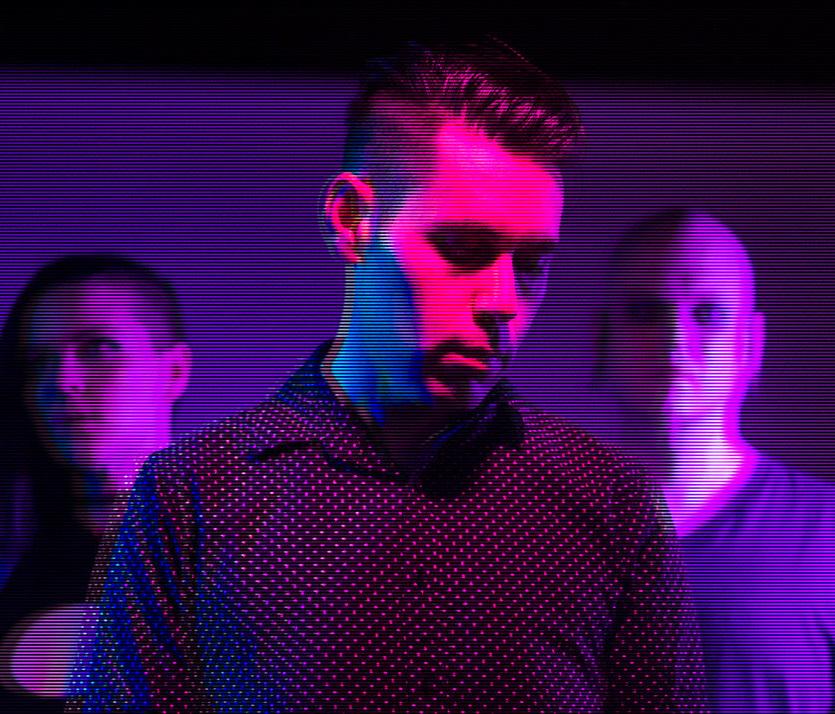
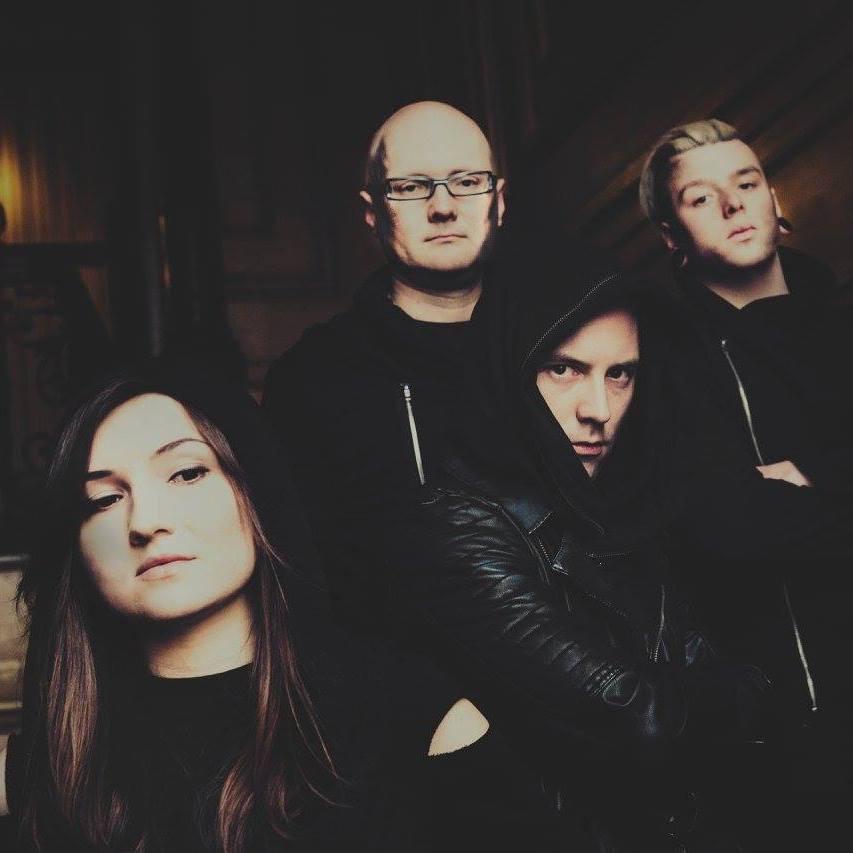
Machines on Blast’s Spotify BioStarted in 2013 by Industrial, metal, EBM, electro-rock enthusiast Evan Mitchell (Singer, Song Writer, Programmer) Machines on Blast's growth began shortly with the additions of recording/live guitarist Warren Adams in 2014. The addition of Adams to the band saw M.O.B morph into a darker, heavier, and wider entity than ever before with more opportunities and doors opening for them. Within the same year, the M.O.B. family grew with the addition of live drummer Chris Marshall.
Machines on Blast showed no signs of slowing down, either, as Machines on Blast supported their self-titled EP with a brand new remix album featuring all sorts of independent artists including Chrome Corpse, Particle Son, Man Woman Machine, and FlammPunkt. Machines on Blast also recruited bass player Scott Vanhorn for the live line-up, and went on to perform alongside The Dreaming (Former Stabbing Westward), My Life With The Thrill Kill Kult, Genitorturers, Death Valley High, and Fractured Fairytales.
It was within… 2015 that Machines on Blast continued to work on their next full length production Tin Man Empire which released in 2016. The album was well received with Hooded Stranger (www.hoodedstranger.com) stating Machines on Blast is, “...explosive and detonate their sound,” and Brutal Resonance (www.brutalresonance.com) praising the album as, “angry, loud, and brings back a 90s industrial sound.”
Viberate is a music analytics platform built for A&Rs, artist managers, labels, booking agents, marketers, and artists.
It helps music professionals track artist growth, analyze audience data, monitor playlist activity, compare artists, follow song performance, and identify opportunities across the music market.
Public artist pages provide a free preview of selected artist data. Paid plans provide access to deeper analytics, historical data, charts, comparisons, playlist tools, exports, alerts, reports, and additional professional features.
Yes. Public Viberate artist pages provide selected artist analytics and music data for free.
Viberate also offers a 7-day free trial of the full platform. A credit card is required to start the trial. The trial includes access to the complete product so users can test deeper artist analytics, historical views, playlist insights, comparisons, charts, exports, alerts, and reporting features before choosing a paid plan.
Viberate provides artist analytics across streaming, playlists, social media, video, radio airplay, songs, and audience markets.
Users can analyze Spotify performance, Spotify and Apple Music playlists, YouTube activity, TikTok and Instagram growth, radio spins, song performance, audience locations, demographics, rankings, and overall artist momentum.
Artist profiles also connect to music charts, similar artists, and comparison tools, helping users benchmark performance and evaluate artists in context.
Viberate updates key artist and track data daily.
For followed artists and tracks, selected data is refreshed multiple times per day. This helps teams monitor playlist changes, streaming movement, audience growth, releases, and campaign performance with more current data.
Update frequency can vary depending on the metric and data source.
Yes. Viberate lets users compare up to five artists side by side across streaming, social media, audience, and engagement metrics.
Users can compare fanbase growth, audience demographics, locations, Spotify performance, social metrics, and other artist data over selected time periods.
Artist comparison can be used for A&R scouting, benchmarking, booking decisions, campaign planning, and evaluating artists with similar audiences or market positions.