Machine Translations

Rock
Indie Rock
Alternative Rock
 Viberate Rank: 490280
 Viberate Rank: 490280
 Monthly ListenersFollowers
 Subscribers
 Followers
 Followers
 FansTop Spotify Songs
| Track | 7-Day Streams | |
|---|---|---|
1 | 370 | |
2 | 76 | |
3 | 46 | |
4 | 39 | |
5 | 26 |
Top YouTube VideosMonthly ListenersFeatured in Playlists| Playlist | Followers | |
|---|---|---|
1 |  Triple J Hottest 100 1993-2023 Morgan Burridge | 11.29K |
2 |  triple j's Hottest 100 2002 triple j | 8.53K |
3 | triple j's Hottest 100 2013 Candidates triple j | 4.80K |
4 | Coastal Chill Australia 05-09 Ellie | 2.23K |
5 |  Coastal Chill 2001 - 2010 alicealicealice12 | 2.23K |
Audience| City | Monthly Listeners | |
|---|---|---|
1 | | 347 |
2 | | 292 |
3 | | 191 |
4 | | 138 |
5 | | 87 |
See full performance history, audience data, playlist activity, rankings, comparisons, and more in Viberate music analytics. Start with a free trial, then continue with a paid plan.
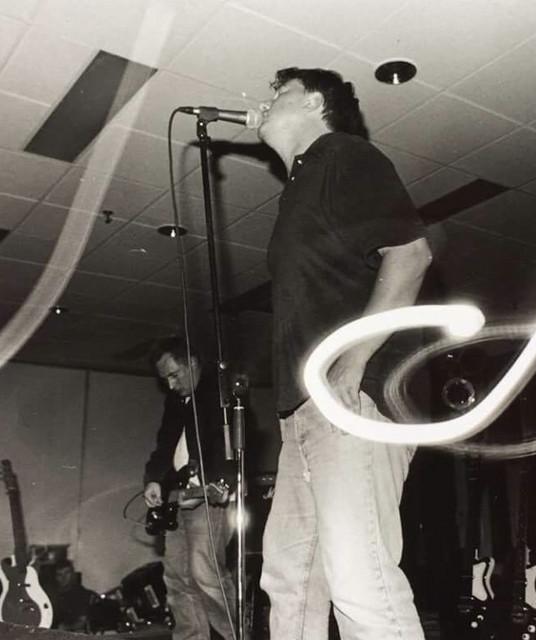
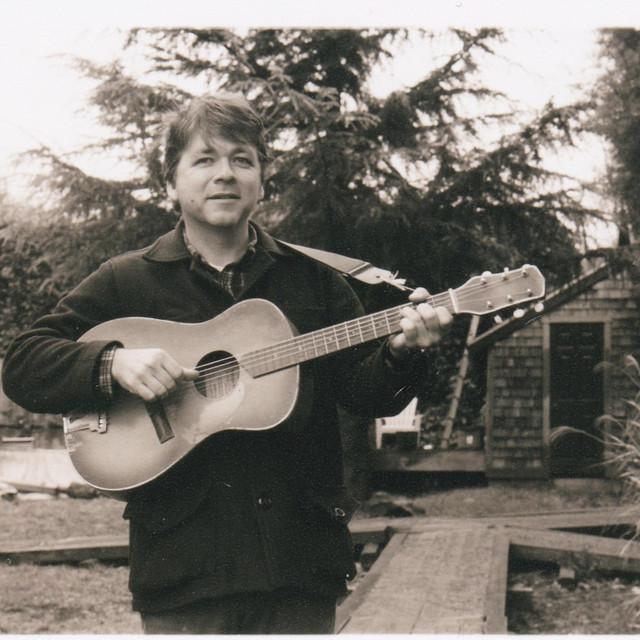
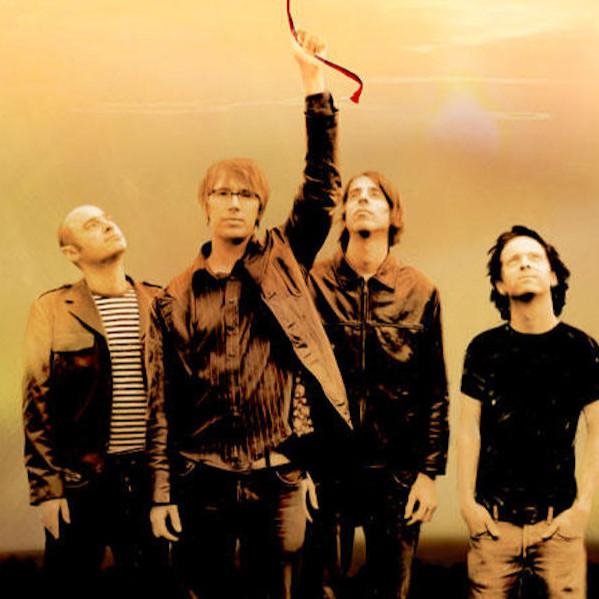
Machine Translations’ Spotify BioMachine Translations began as a home recording project for multi-instrumentalist J. Walker. Though the songs he wrote were pop, the lo-fi recording options available to him -- working on old reel-to-reel four tracks -- and a preference for tricky time signatures, led him into experimental areas. Still, there was enough pop promise in his early demos for the record label Spunk! to sign him. Recording albums for Spunk! meant touring to support them, so Walker put together an ever-shifting lineup of friends to be his band. Pianist Kevin White was one of the group's only steady members as Walker created a new incarnation every time he moved, which was frequently.
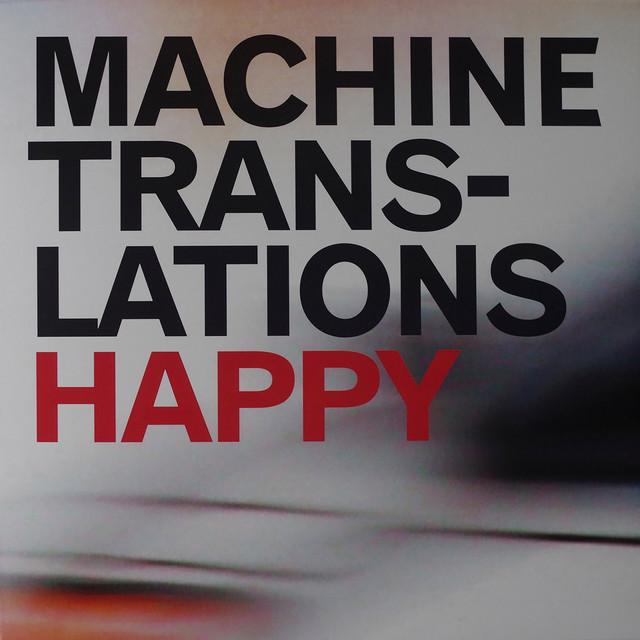
After finishing a degree in Linguistics and Mandarin Chinese, Walker returned to Australia from Shanghai and recorded the first three Machine Translations albums in a flood of productivity. Abstract Poverty was released in 1997, Halo in 1998, and Holiday in Spain in 1999. Chinese poetry was a strong influence on his impressionist… lyrics, which loaded each line with multiple meanings while being vague enough when taken as a whole to be open to interpretation. He spent longer working on the next two Machine Translations albums, Bad Shapes in 2001 and Happy in 2002, improving his home-recording techniques and working on the skills that would eventually lead to him producing albums for others, including C.W. Stoneking, Andrew Morris, and the Boat People. After a break in which he made several guest appearances on other musicians' albums, Walker returned to his home studio to record Venus Traps Fly in 2004. Rather than take his time with the recording, as he had with the previous two releases, he wrote and recorded most of the album in the space of two months, embracing a slightly less electronic and more guitar-led sound. Venus Traps Fly also incorporated material from his EP, Love on the Vine. In 2007 he released his seventh album, appropriately titled Seven Seven. ~ Jody Macgregor, Rovi
Viberate is a music analytics platform built for A&Rs, artist managers, labels, booking agents, marketers, and artists.
It helps music professionals track artist growth, analyze audience data, monitor playlist activity, compare artists, follow song performance, and identify opportunities across the music market.
Public artist pages provide a free preview of selected artist data. Paid plans provide access to deeper analytics, historical data, charts, comparisons, playlist tools, exports, alerts, reports, and additional professional features.
Yes. Public Viberate artist pages provide selected artist analytics and music data for free.
Viberate also offers a 7-day free trial of the full platform. A credit card is required to start the trial. The trial includes access to the complete product so users can test deeper artist analytics, historical views, playlist insights, comparisons, charts, exports, alerts, and reporting features before choosing a paid plan.
Viberate provides artist analytics across streaming, playlists, social media, video, radio airplay, songs, and audience markets.
Users can analyze Spotify performance, Spotify and Apple Music playlists, YouTube activity, TikTok and Instagram growth, radio spins, song performance, audience locations, demographics, rankings, and overall artist momentum.
Artist profiles also connect to music charts, similar artists, and comparison tools, helping users benchmark performance and evaluate artists in context.
Viberate updates key artist and track data daily.
For followed artists and tracks, selected data is refreshed multiple times per day. This helps teams monitor playlist changes, streaming movement, audience growth, releases, and campaign performance with more current data.
Update frequency can vary depending on the metric and data source.
Yes. Viberate lets users compare up to five artists side by side across streaming, social media, audience, and engagement metrics.
Users can compare fanbase growth, audience demographics, locations, Spotify performance, social metrics, and other artist data over selected time periods.
Artist comparison can be used for A&R scouting, benchmarking, booking decisions, campaign planning, and evaluating artists with similar audiences or market positions.