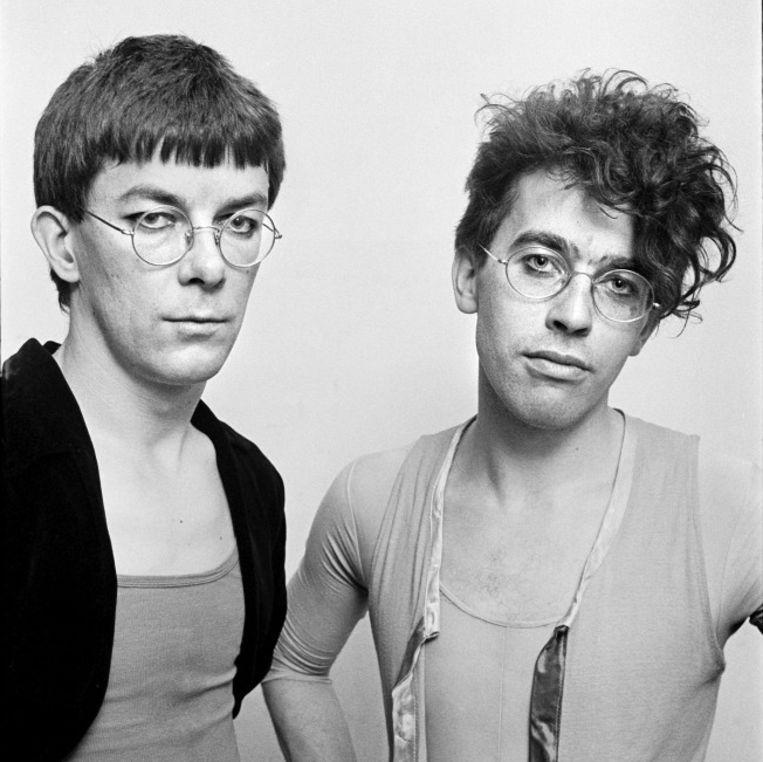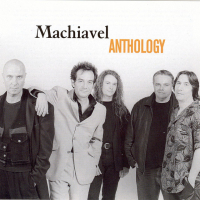
Machiavel

Rock
Pop Rock
Punk Rock
 Viberate Rank: 186288
 Viberate Rank: 186288
 Monthly ListenersFollowers
 Subscribers
 Followers
 Followers
 FansTop Spotify Songs
| Track | 7-Day Streams | |
|---|---|---|
1 | 14.65K | |
2 | 2.27K | |
3 | 559 | |
4 | 392 | |
5 | 254 |
Top YouTube VideosMonthly ListenersFeatured in Playlists| Playlist | Followers | |
|---|---|---|
1 | Best of 80s, 70s, 60s, 90s, 00s, 2010s Arthur Cnudde | 25.72K |
2 | 160 bpm running Bruno Mortier | 14.49K |
3 | Top 1000 jaren 80 Hits 1193914754 | 14.36K |
4 |  Belgian Classics 🇧🇪 Mathias Daelman | 12.68K |
5 |  radio2 | top2000 radio2 | 10.32K |
Audience| City | Monthly Listeners | |
|---|---|---|
1 | | 2.80K |
2 | | 1.32K |
3 | | 927 |
4 | | 552 |
5 |  | 498 |
See full performance history, audience data, playlist activity, rankings, comparisons, and more in Viberate music analytics. Start with a free trial, then continue with a paid plan.
Machiavel’s Spotify BioFormed in Belgium in the mid-'70s, the early lineup of Machiavel was Marc Ysaye and Roland Degreef, (both from Moby Dick) with Albert Letecheur and Jack Roskam. Their first album was released in 1976. By the time they got to doing their second record, Jack Roskam was out, replaced by Jean-Paul Devaux, and singer Mario Guccio was added. This disc, called Jester was released in 1977. Following in their album-a-year pace, 1978 saw the third Machiavel LP, Mechanical Moonbeams. The next year the group released Urban Games.
By this time, Albert Letecheur was not happy with stylistic changes in the group's music, and he left the band. Jean-Paul Devaux also left, being replaced by Thiery Plas. For the first time, there was more than one year separating two consecutive Machiavel releases. New Lines was released in 1980 and showed an even greater maturing of their sound. Regaining their pace, Machiavel released Break Out in 1981. The next release was a live album called Valentine Days, put out by… EMI in 1983, but by this time the band had essentially broken up.
The breakup would not be permanent, however, as in 1987, a reunited Machiavel consisting of Plas, Ysaye, Degreef, and Guccio released The Cry of Pleasure. Joining them on this release was Paolo Ragatzu. The next releases of the band were compilations. The first one, a single disc, showed up in 1991, while a box set was released two years later. In 1996, the group ironically set out on a farewell tour to promote the release of 20th Anniversary Machiavel: The Very Best Of. Rather than hanging it up, the group became busier than ever. The two following years were full of touring and 1999 saw them release a CD called Virtual Sun. Late in that same year, a double-CD live set, Machiavel Live was launched. ~ Gary Hill, Rovi
Viberate is a music analytics platform built for A&Rs, artist managers, labels, booking agents, marketers, and artists.
It helps music professionals track artist growth, analyze audience data, monitor playlist activity, compare artists, follow song performance, and identify opportunities across the music market.
Public artist pages provide a free preview of selected artist data. Paid plans provide access to deeper analytics, historical data, charts, comparisons, playlist tools, exports, alerts, reports, and additional professional features.
Yes. Public Viberate artist pages provide selected artist analytics and music data for free.
Viberate also offers a 7-day free trial of the full platform. A credit card is required to start the trial. The trial includes access to the complete product so users can test deeper artist analytics, historical views, playlist insights, comparisons, charts, exports, alerts, and reporting features before choosing a paid plan.
Viberate provides artist analytics across streaming, playlists, social media, video, radio airplay, songs, and audience markets.
Users can analyze Spotify performance, Spotify and Apple Music playlists, YouTube activity, TikTok and Instagram growth, radio spins, song performance, audience locations, demographics, rankings, and overall artist momentum.
Artist profiles also connect to music charts, similar artists, and comparison tools, helping users benchmark performance and evaluate artists in context.
Viberate updates key artist and track data daily.
For followed artists and tracks, selected data is refreshed multiple times per day. This helps teams monitor playlist changes, streaming movement, audience growth, releases, and campaign performance with more current data.
Update frequency can vary depending on the metric and data source.
Yes. Viberate lets users compare up to five artists side by side across streaming, social media, audience, and engagement metrics.
Users can compare fanbase growth, audience demographics, locations, Spotify performance, social metrics, and other artist data over selected time periods.
Artist comparison can be used for A&R scouting, benchmarking, booking decisions, campaign planning, and evaluating artists with similar audiences or market positions.