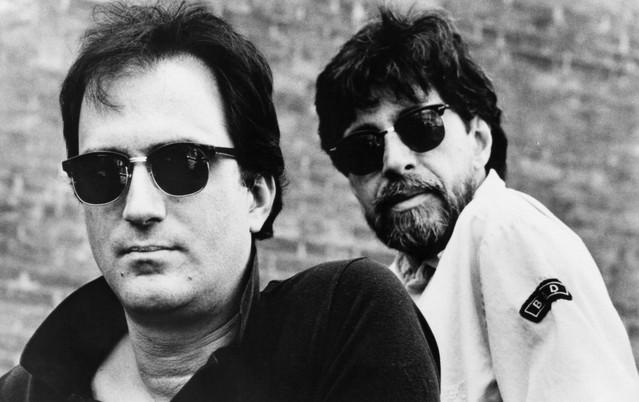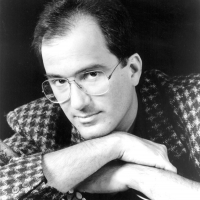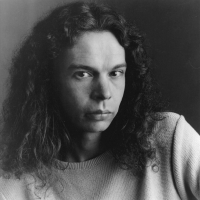
Lyle Mays

Jazz
Smooth Jazz
Jazz Fusion
 Viberate Rank: 86819
 Viberate Rank: 86819
 Monthly ListenersFollowers
 Subscribers
 Followers
 Followers
 FansTop Spotify Songs
| Track | 7-Day Streams | |
|---|---|---|
1 | 20.39K | |
2 | 14.66K | |
3 | 13.34K | |
4 | 11.83K | |
5 | 8.76K |
Top YouTube VideosMonthly ListenersFeatured in Playlists| Playlist | Followers | |
|---|---|---|
1 |  Just Jazz Spotify | 173.61K |
2 |  Jazz Guitar Classics Spotify | 135.22K |
3 |  1000 Recordings to Hear Before You Die (Tom Moon): Album Index Ulysses' Classical | 94.30K |
4 |  This Is Pat Metheny Spotify | 33.45K |
5 | The Morning Spring 2023 Playlist nytimes | 30.66K |
Audience| City | Monthly Listeners | |
|---|---|---|
1 |  | 2.91K |
2 |  | 1.70K |
3 |  | 1.59K |
4 | | 1.58K |
5 |  | 1.35K |
See full performance history, audience data, playlist activity, rankings, comparisons, and more in Viberate music analytics. Start with a free trial, then continue with a paid plan.
Lyle Mays’ Spotify BioLYLE MAYS (born Lyle David Mays on 27 November 1953 in McAllister, Wisconsin; died 10 February 2020) was an American composer and jazz pianist best known as the co-creator of the Pat Metheny Group. Mays and Metheny composed and arranged nearly all of the group's music, for which Mays won eleven Grammy Awards. Lyle helped distinguish the group’s sound with his sense of melody, crystal clear virtuosity, and cinematic scope of orchestration.
As a student at the University of North Texas, Lyle composed and arranged all of the music for The One O'Clock Lab Band's Lab 75, the first ever album by a collegiate ensemble to be nominated for a Grammy. The list of musicians with whom he recorded and performed includes Joni Mitchell, Bobby McFerrin, Toots Thielemans, Earth, Wind & Fire, Jack DeJohnette, Bill Frisell, and Paul McCandless.
Lyle received four additional Grammy nominations for his solo work. As a leader Lyle released seven albums: As Falls Wichita, So Falls Wichita Falls (with Pat… Metheny), Lyle Mays, Street Dreams, Fictionary, Solo Improvisations for Expanded Piano, The Ludwigsburg Concert, and Eberhard.
Lyle’s final work, "Eberhard", his self-professed “humble tribute” to the great German bass player Eberhard Weber, was recorded just prior to his passing in early 2020, and won the Grammy for “Best Instrumental Composition” in 2021.
Viberate is a music analytics platform built for A&Rs, artist managers, labels, booking agents, marketers, and artists.
It helps music professionals track artist growth, analyze audience data, monitor playlist activity, compare artists, follow song performance, and identify opportunities across the music market.
Public artist pages provide a free preview of selected artist data. Paid plans provide access to deeper analytics, historical data, charts, comparisons, playlist tools, exports, alerts, reports, and additional professional features.
Yes. Public Viberate artist pages provide selected artist analytics and music data for free.
Viberate also offers a 7-day free trial of the full platform. A credit card is required to start the trial. The trial includes access to the complete product so users can test deeper artist analytics, historical views, playlist insights, comparisons, charts, exports, alerts, and reporting features before choosing a paid plan.
Viberate provides artist analytics across streaming, playlists, social media, video, radio airplay, songs, and audience markets.
Users can analyze Spotify performance, Spotify and Apple Music playlists, YouTube activity, TikTok and Instagram growth, radio spins, song performance, audience locations, demographics, rankings, and overall artist momentum.
Artist profiles also connect to music charts, similar artists, and comparison tools, helping users benchmark performance and evaluate artists in context.
Viberate updates key artist and track data daily.
For followed artists and tracks, selected data is refreshed multiple times per day. This helps teams monitor playlist changes, streaming movement, audience growth, releases, and campaign performance with more current data.
Update frequency can vary depending on the metric and data source.
Yes. Viberate lets users compare up to five artists side by side across streaming, social media, audience, and engagement metrics.
Users can compare fanbase growth, audience demographics, locations, Spotify performance, social metrics, and other artist data over selected time periods.
Artist comparison can be used for A&R scouting, benchmarking, booking decisions, campaign planning, and evaluating artists with similar audiences or market positions.