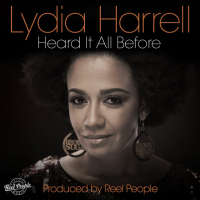
Lydia Harrell

Jazz
Avant-garde Jazz
 Viberate Rank: 248716
 Viberate Rank: 248716
 Monthly ListenersFollowers
 Subscribers
 Followers
 Followers
 FansTop Spotify Songs
| Track | 7-Day Streams | |
|---|---|---|
1 | 60.14K | |
2 | 3.69K | |
3 | 2.63K | |
4 | 361 | |
5 | 288 |
Top YouTube VideosMonthly ListenersFeatured in Playlists| Playlist | Followers | |
|---|---|---|
1 |  Christmas Playlist 2026🎅🏽 Holiday Music | 66.90K |
2 |  Traditional Christmas Music Filtr US | 39.07K |
3 |  Christmas Hits~2026 🎄 Mbti Music | 9.12K |
4 |  Disco House Nerds House Nerds | 8.06K |
5 |  Classic Christmas | Rituals Rituals Cosmetics | 4.99K |
Audience| City | Monthly Listeners | |
|---|---|---|
1 |  | 351 |
2 |  | 266 |
3 | | 106 |
4 | | 105 |
5 | | 89 |
See full performance history, audience data, playlist activity, rankings, comparisons, and more in Viberate music analytics. Start with a free trial, then continue with a paid plan.
Lydia Harrell’s Spotify BioLydia sang on the 2022 Daytime Emmy Winning song, “Grateful For It All” written by Brad Hatfield, Gaye Tolan Hatfield and Jeff Meegan and aired on The Young and The Restless in May 2021. Lydia was invited to sing backing vocals for the great Jon Batiste in September 2022 along with The Boston Pops accompanying.
In addition to her accomplishments as a musical artist, Lydia is a film/TV, voiceover and theatre actress. She has appeared in many commercials, films and theatre productions. She was cast in the New Repertory Theatre production of "Lady Day at Emerson's Bar and Grill" playing the role of the one and only Billie Holiday. Unfortunately the show was canceled due to the pandemic. Since then, Lydia has appeared in the 2023 Hulu/20th Century Film, Boston Strangler and performed as Sarah's Friend in Ragtime: The Symphonic Concert with the Boston Pops. In March 2023, she released her first single that she composed, performed and produced in many years, Don't Let It. Since being a part… of the Club Passim Folk Collective, Lydia has become inspired to record several new projects all coming very soon. Lydia is also an Assistant Professor at, one of the top music colleges in the world, Berklee College of Music and Berklee Online.
Viberate is a music analytics platform built for A&Rs, artist managers, labels, booking agents, marketers, and artists.
It helps music professionals track artist growth, analyze audience data, monitor playlist activity, compare artists, follow song performance, and identify opportunities across the music market.
Public artist pages provide a free preview of selected artist data. Paid plans provide access to deeper analytics, historical data, charts, comparisons, playlist tools, exports, alerts, reports, and additional professional features.
Yes. Public Viberate artist pages provide selected artist analytics and music data for free.
Viberate also offers a 7-day free trial of the full platform. A credit card is required to start the trial. The trial includes access to the complete product so users can test deeper artist analytics, historical views, playlist insights, comparisons, charts, exports, alerts, and reporting features before choosing a paid plan.
Viberate provides artist analytics across streaming, playlists, social media, video, radio airplay, songs, and audience markets.
Users can analyze Spotify performance, Spotify and Apple Music playlists, YouTube activity, TikTok and Instagram growth, radio spins, song performance, audience locations, demographics, rankings, and overall artist momentum.
Artist profiles also connect to music charts, similar artists, and comparison tools, helping users benchmark performance and evaluate artists in context.
Viberate updates key artist and track data daily.
For followed artists and tracks, selected data is refreshed multiple times per day. This helps teams monitor playlist changes, streaming movement, audience growth, releases, and campaign performance with more current data.
Update frequency can vary depending on the metric and data source.
Yes. Viberate lets users compare up to five artists side by side across streaming, social media, audience, and engagement metrics.
Users can compare fanbase growth, audience demographics, locations, Spotify performance, social metrics, and other artist data over selected time periods.
Artist comparison can be used for A&R scouting, benchmarking, booking decisions, campaign planning, and evaluating artists with similar audiences or market positions.