Ly Sander

Electronic
House
 Viberate Rank: 667072
 Viberate Rank: 667072
 Monthly ListenersFollowers
 Subscribers
 Followers
 Followers
 FansTop Spotify Songs
| Track | 7-Day Streams | |
|---|---|---|
1 | 35 | |
2 | 6 | |
3 | 2 |
Top YouTube VideosMonthly ListenersFeatured in Playlists| Playlist | Followers | |
|---|---|---|
1 |  Feeling Sounds Network Feeling Sounds | 22.69K |
2 |  FM4 Sunny Side Up (Update every Sunday) johannespuntigam | 9.46K |
3 |  Les Yeux Orange Mirror.FM | 3.08K |
4 |  Hipster & Retro: Jazz, Hip Hop, Soul & Funk (Full Version) Christjan | 1.23K |
Audience| City | Monthly Listeners | |
|---|---|---|
1 |  | 6 |
2 |  | 3 |
3 | | 3 |
See full performance history, audience data, playlist activity, rankings, comparisons, and more in Viberate music analytics. Start with a free trial, then continue with a paid plan.
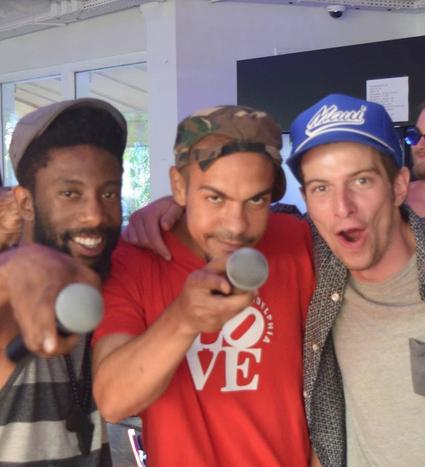
Ly Sander’s Spotify BioLy Sander was highly inspired by the roots of Dance music and most specifically the Loft’s founder David Mancuso’s philosophy of building a travel through music. Another influence is leftfield dance music artist Arthur Russell, probably one of the only musicians to use Cello in dance music. But before being a producer, Ly Sander is a natural DJ who started playing over 20 years ago out of his passion for party music, along a timeline spanning from today to the beginning of the 70s, including so called Disco, Deep and Underground House. He brought his energic and bouncy vibe to numerous venues in Europe and NY, including the Panorama Bar and Tape Club in Berlin, legendary Dachkantine and Zukunft in Zurich, the Ambassade in Lyon, Electro Mecanic in Beirut, D! Club, Loft and Folklor in Lausanne, XL in New York and many many more. He shared the decks on countless occasions with famous DJs such as Alex From Tokyo, Dixon, DJ Deep, Efdemin, Manoo, Maurice Fulton, Move D, Orpheu The Wizard,… Quarion, Till von Sein...
Also a renowned master at playing classics, Ly Sander held the successful New York Disco Club (NYDC) party in Geneva from 2002 to 2010. Much before the surge in interest for Disco, he there revived the roots of NY’s dance culture and saw all of the founding legends such as Danny Krivit (Body’n’Soul), David DePino (Paradise Garage), Hippie Torrales (Zanzibar) or Nicky Siano (The Gallery, Studio 54) come over and share the decks with him.
Viberate is a music analytics platform built for A&Rs, artist managers, labels, booking agents, marketers, and artists.
It helps music professionals track artist growth, analyze audience data, monitor playlist activity, compare artists, follow song performance, and identify opportunities across the music market.
Public artist pages provide a free preview of selected artist data. Paid plans provide access to deeper analytics, historical data, charts, comparisons, playlist tools, exports, alerts, reports, and additional professional features.
Yes. Public Viberate artist pages provide selected artist analytics and music data for free.
Viberate also offers a 7-day free trial of the full platform. A credit card is required to start the trial. The trial includes access to the complete product so users can test deeper artist analytics, historical views, playlist insights, comparisons, charts, exports, alerts, and reporting features before choosing a paid plan.
Viberate provides artist analytics across streaming, playlists, social media, video, radio airplay, songs, and audience markets.
Users can analyze Spotify performance, Spotify and Apple Music playlists, YouTube activity, TikTok and Instagram growth, radio spins, song performance, audience locations, demographics, rankings, and overall artist momentum.
Artist profiles also connect to music charts, similar artists, and comparison tools, helping users benchmark performance and evaluate artists in context.
Viberate updates key artist and track data daily.
For followed artists and tracks, selected data is refreshed multiple times per day. This helps teams monitor playlist changes, streaming movement, audience growth, releases, and campaign performance with more current data.
Update frequency can vary depending on the metric and data source.
Yes. Viberate lets users compare up to five artists side by side across streaming, social media, audience, and engagement metrics.
Users can compare fanbase growth, audience demographics, locations, Spotify performance, social metrics, and other artist data over selected time periods.
Artist comparison can be used for A&R scouting, benchmarking, booking decisions, campaign planning, and evaluating artists with similar audiences or market positions.