Luxúria de Lillith

Metal
Black Metal
Gothic Metal
 Viberate Rank: 169292
 Viberate Rank: 169292
 Monthly ListenersFollowers
 Subscribers
 Followers
 Followers
 FansTop Spotify Songs
| Track | 7-Day Streams | |
|---|---|---|
1 | 295 | |
2 | 166 | |
3 | 131 | |
4 | 127 | |
5 | 91 |
Top YouTube VideosMonthly ListenersFeatured in Playlists| Playlist | Followers | |
|---|---|---|
1 |  Metal BR Pesado Static Progress | 8.07K |
2 |  ⛧𝕭𝖑𝖆𝖈𝖐 𝕸𝖊𝖙𝖆𝖑 ⸸ (𝘴𝘰 𝘲𝘶𝘦 𝘣𝘰𝘮) 🩸☥ ♪*🦇.°𝕷𝔦𝖑𝔦𝖙𝔥~.°⋆🍷⛥ | 5.67K |
3 |  FEMALE DEATH METAL 👩🏻🤘 🔱 THEOCIDE STUDIOS 🔱 | 2.23K |
4 |  Vampyric Black Metal Bathoryn | 1.98K |
5 |  Trve Kvlt ⛧ Damtallion | 1.87K |
Audience| City | Monthly Listeners | |
|---|---|---|
1 | | 225 |
2 | | 81 |
3 | | 77 |
4 | | 61 |
5 | | 51 |
See full performance history, audience data, playlist activity, rankings, comparisons, and more in Viberate music analytics. Start with a free trial, then continue with a paid plan.
Luxúria de Lillith’s Spotify BioLuxúria de Lillith
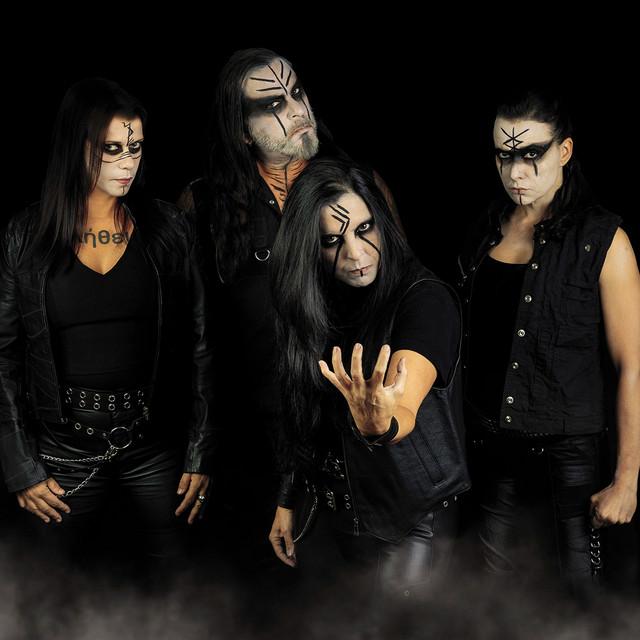
Founded in 1998 by Alysson Drakkar, Luxúria de Lillith is one of the key names in Brazilian Black Metal. With visceral lyrics sung in Portuguese, the band explores the depths of occultism, vampirism, and the complexities of the human experience.
With a solid career spanning over two decades, the project has established its discography through five official albums:
A Volúpia Infernal (2005)
Sucumbidos pela Carne (2009)
Mundo de Cadáveres (2012)
Lilitus (2016)
Gehennom (2019)
The strength of the horde broke boundaries with remarkable tours across Europe (2017), covering 10 countries, and Mexico (2018). After the pandemic period, Luxúria de Lillith returned to Brazilian stages with a solid lineup, combining the tradition of their classics with the energy of new releases like the single "Lascívia".
Currently made up of Drakkar (bass/vocals), Larakna (guitar/vocals), and Taufic (drums), the band remains fully active with an intense schedule of shows. The group is preparing the… ground for their highly anticipated new album, scheduled for release in early 2026.
Instagram: @luxuriadelillith
Official site: www.luxuriadelillith.com
Viberate is a music analytics platform built for A&Rs, artist managers, labels, booking agents, marketers, and artists.
It helps music professionals track artist growth, analyze audience data, monitor playlist activity, compare artists, follow song performance, and identify opportunities across the music market.
Public artist pages provide a free preview of selected artist data. Paid plans provide access to deeper analytics, historical data, charts, comparisons, playlist tools, exports, alerts, reports, and additional professional features.
Yes. Public Viberate artist pages provide selected artist analytics and music data for free.
Viberate also offers a 7-day free trial of the full platform. A credit card is required to start the trial. The trial includes access to the complete product so users can test deeper artist analytics, historical views, playlist insights, comparisons, charts, exports, alerts, and reporting features before choosing a paid plan.
Viberate provides artist analytics across streaming, playlists, social media, video, radio airplay, songs, and audience markets.
Users can analyze Spotify performance, Spotify and Apple Music playlists, YouTube activity, TikTok and Instagram growth, radio spins, song performance, audience locations, demographics, rankings, and overall artist momentum.
Artist profiles also connect to music charts, similar artists, and comparison tools, helping users benchmark performance and evaluate artists in context.
Viberate updates key artist and track data daily.
For followed artists and tracks, selected data is refreshed multiple times per day. This helps teams monitor playlist changes, streaming movement, audience growth, releases, and campaign performance with more current data.
Update frequency can vary depending on the metric and data source.
Yes. Viberate lets users compare up to five artists side by side across streaming, social media, audience, and engagement metrics.
Users can compare fanbase growth, audience demographics, locations, Spotify performance, social metrics, and other artist data over selected time periods.
Artist comparison can be used for A&R scouting, benchmarking, booking decisions, campaign planning, and evaluating artists with similar audiences or market positions.