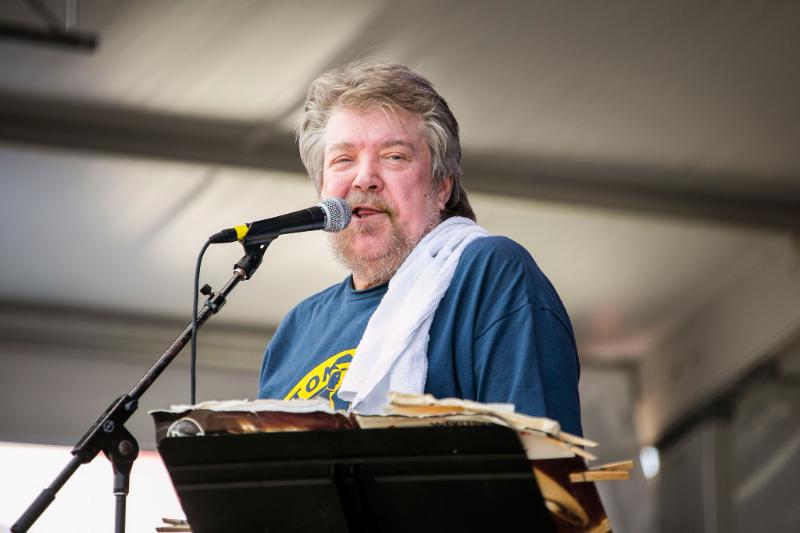
Luther Kent
Blues
Classic Blues
Classical Crossover
 Viberate Rank: 541924
 Viberate Rank: 541924
 Monthly ListenersFollowers
 Subscribers
 Followers
 Followers
 FansTop Spotify Songs
| Track | 7-Day Streams | |
|---|---|---|
1 | 630 | |
2 | 59 | |
3 | 26 | |
4 | 12 | |
5 | 9 |
Top YouTube VideosMonthly ListenersFeatured in Playlists| Playlist | Followers | |
|---|---|---|
1 |  Don's Tunes | Blues & Jazz Playlist | Official Don's Tunes | 50.97K |
2 |  Slow Blues & Blues Rock | Don's Tunes Don's Tunes | 19.74K |
3 | PIANO BLUES ... John Firth | 14.84K |
4 |  WWOZ 90.7 FM (New Orleans Radio) Bryson Whitney | 6.48K |
5 |  Lindyhop & Swing TOP 500 Anl Yolc | 3.42K |
Audience| City | Monthly Listeners | |
|---|---|---|
1 |  | 13 |
2 |  | 12 |
3 |  | 12 |
4 |  | 11 |
5 |  | 11 |
See full performance history, audience data, playlist activity, rankings, comparisons, and more in Viberate music analytics. Start with a free trial, then continue with a paid plan.
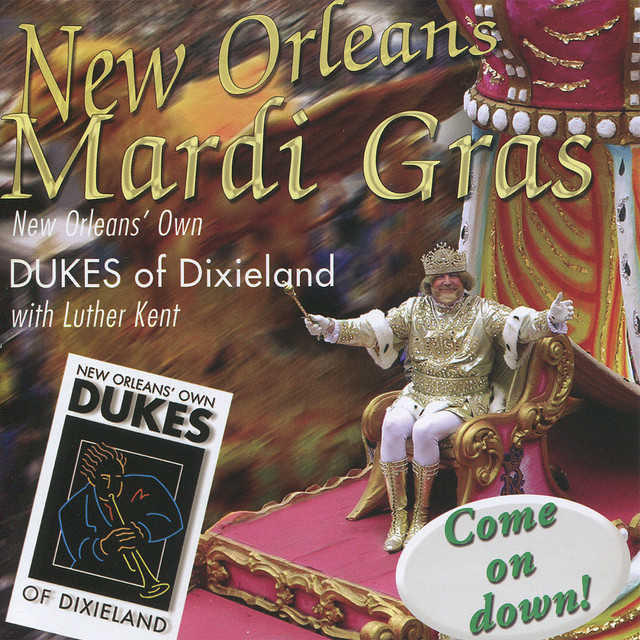
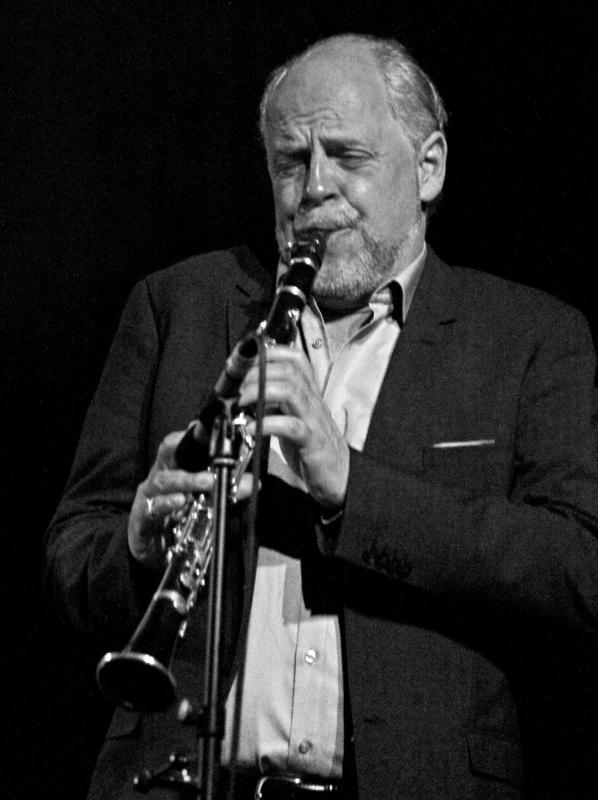
Luther Kent’s Spotify BioLuther Kent -- also sometimes known as Big Luther Kent or Amos Kent, and as Duke Royal -- had been a fixture on the New Orleans music scene since the mid-'60s. Born Kent Rowell in New Orleans in 1948, he came from a heavily musical household; his whole family played and sang music together, and his older brother was a member of Stark Whiteman & the Crowns, who often rehearsed in the Rowell home. He began playing piano and drums at an early age, although he initially had no aspirations as a singer. That changed in 1961 when he was entered into a school talent show and won the competition, reportedly with an impromptu version of "In the Still of the Night." He turned to singing, heavily influenced by the R&B and early soul sounds around him, and by age 14 was in a band and shortly thereafter had his first recording contract, with the Louisiana-based Montel Records label, releasing his first single, "I Wanna Know," under the name Duke Royal.
He spent most of the mid- to late '60s singing… with a band called the Greek Fountains. At the start of the 1970s, however, he joined a Baton Rouge-spawned group called Cold Grits, who were signed to Lou Adler's Ode Records label and included his cousin Duke Bardwell on bass. But Cold Grits broke up before they could get more than a single released, which left Kent tied to Ode contractually, but without a band. It was at this point that he was asked to front the post-David Clayton-Thomas incarnation of Blood, Sweat & Tears on tour, which he did through much of 1974 and 1975 and part of 1976. He was still under contract to Ode Records, however, which prevented him from ever recording with the group (which was signed to Columbia Records).
He recorded his first solo album, entitled World Class, in London at Abbey Road Studios, with musical support that included the Brecker Brothers and members of the London Symphony Orchestra and the London Philharmonic Orchestra. In 1978, Kent joined with Charlie Brent, the former musical director for Wayne Cochran, forming a large New Orleans horn band christened Luther Kent & Trick Bag. Numerous guest artists visiting the city came to sit in with Trick Bag, including Boz Scaggs, B.B. King, Slim Harpo, Bobby "Blue" Bland, Jimmy Page, Bonnie Bramlett, Gregg Allman, Etta James, Joe Cocker, Bo Diddley, Rita Coolidge, the Righteous Brothers, Ike & Tina Turner, Wilson Pickett, ZZ Top, Rickie Lee Jones, Billy Preston, and Billy Eckstine.
Luther Kent & Trick Bag released three albums on CD, and Kent began a career in television commercials as well, which earned him a Cleo Award working in tandem with John Fred. He was signed to FM Records in 1987, and later, with producer Mike Post, recorded the album Past Due. Thanks to Post, who was also well-established in the field of television music, Kent was heard singing on the title theme to the series Cop Rock. In later years, he released several albums of New Orleans music and hosted a weekly radio show in Baton Rouge called Luther's House Party. Luther Kent died on August 16, 2024, at the age of 76. ~ Bruce Eder, Rovi
Viberate is a music analytics platform built for A&Rs, artist managers, labels, booking agents, marketers, and artists.
It helps music professionals track artist growth, analyze audience data, monitor playlist activity, compare artists, follow song performance, and identify opportunities across the music market.
Public artist pages provide a free preview of selected artist data. Paid plans provide access to deeper analytics, historical data, charts, comparisons, playlist tools, exports, alerts, reports, and additional professional features.
Yes. Public Viberate artist pages provide selected artist analytics and music data for free.
Viberate also offers a 7-day free trial of the full platform. A credit card is required to start the trial. The trial includes access to the complete product so users can test deeper artist analytics, historical views, playlist insights, comparisons, charts, exports, alerts, and reporting features before choosing a paid plan.
Viberate provides artist analytics across streaming, playlists, social media, video, radio airplay, songs, and audience markets.
Users can analyze Spotify performance, Spotify and Apple Music playlists, YouTube activity, TikTok and Instagram growth, radio spins, song performance, audience locations, demographics, rankings, and overall artist momentum.
Artist profiles also connect to music charts, similar artists, and comparison tools, helping users benchmark performance and evaluate artists in context.
Viberate updates key artist and track data daily.
For followed artists and tracks, selected data is refreshed multiple times per day. This helps teams monitor playlist changes, streaming movement, audience growth, releases, and campaign performance with more current data.
Update frequency can vary depending on the metric and data source.
Yes. Viberate lets users compare up to five artists side by side across streaming, social media, audience, and engagement metrics.
Users can compare fanbase growth, audience demographics, locations, Spotify performance, social metrics, and other artist data over selected time periods.
Artist comparison can be used for A&R scouting, benchmarking, booking decisions, campaign planning, and evaluating artists with similar audiences or market positions.