Lustre

Metal
Black Metal
Other Electronic Music
 Viberate Rank: 128741
 Viberate Rank: 128741
 Monthly ListenersFollowers
 Subscribers
 Followers
 Followers
 FansTop Spotify Songs
| Track | 7-Day Streams | |
|---|---|---|
1 | 5.70K | |
2 | 5.28K | |
3 | 5.09K | |
4 | 2.37K | |
5 | 2.00K |
Top YouTube Videos| Video | 7-Day Views | |
|---|---|---|
1 | 11 |
Monthly ListenersFeatured in Playlists| Playlist | Followers | |
|---|---|---|
1 |  The Sound of Everything The Sounds of Spotify | 53.81K |
2 |  Atmospheric Black Metal Jorge Urosa Alonso | 36.97K |
3 |  Dungeon Synth Frans Hollender | 30.24K |
4 |  Dungeon Synth & Dark Ambient @MansenSankari | 23.32K |
5 |  Ambient Black Metal tarvossaturnos | 9.60K |
Audience| City | Monthly Listeners | |
|---|---|---|
1 |  | 468 |
2 |  | 392 |
3 |  | 389 |
4 | | 387 |
5 | | 378 |
See full performance history, audience data, playlist activity, rankings, comparisons, and more in Viberate music analytics. Start with a free trial, then continue with a paid plan.
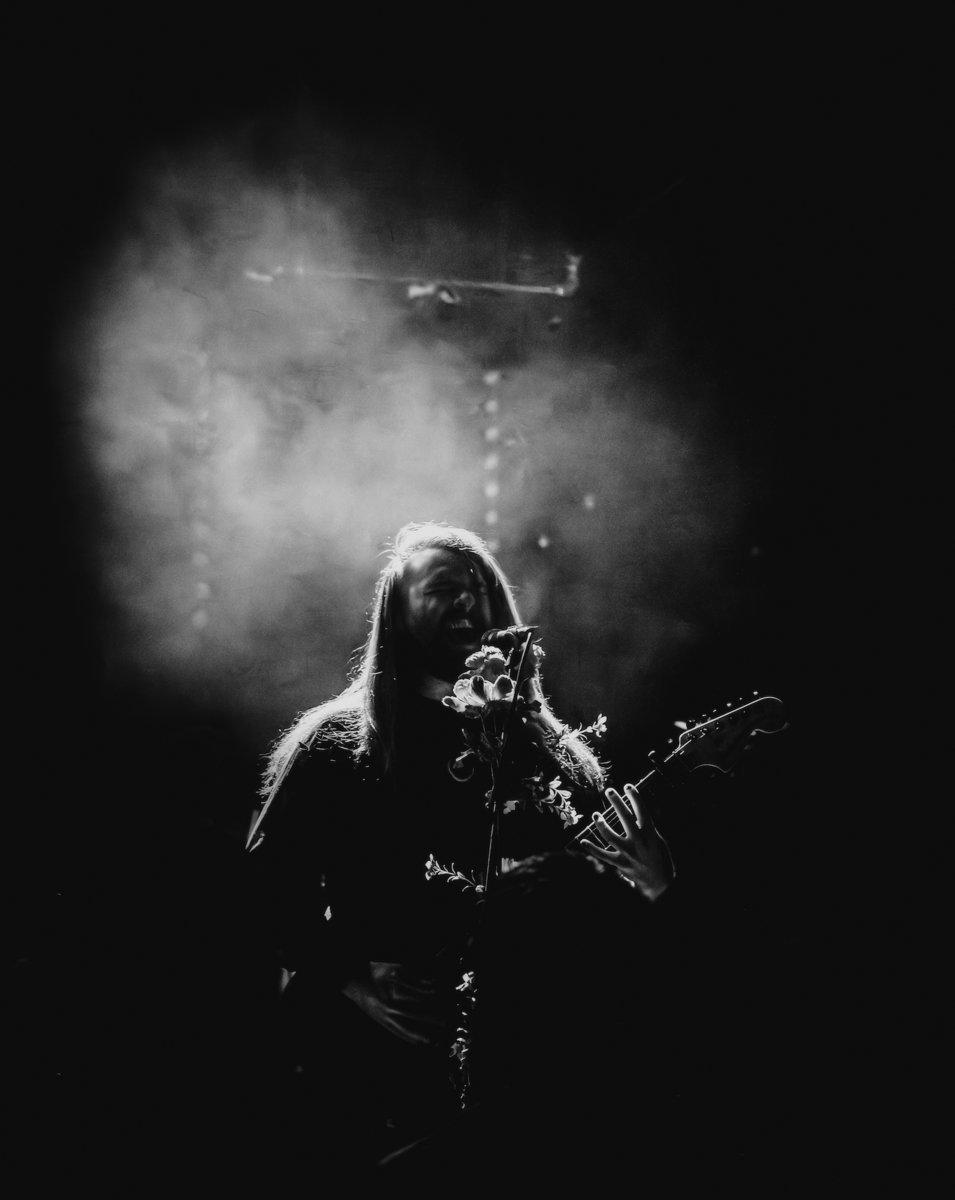
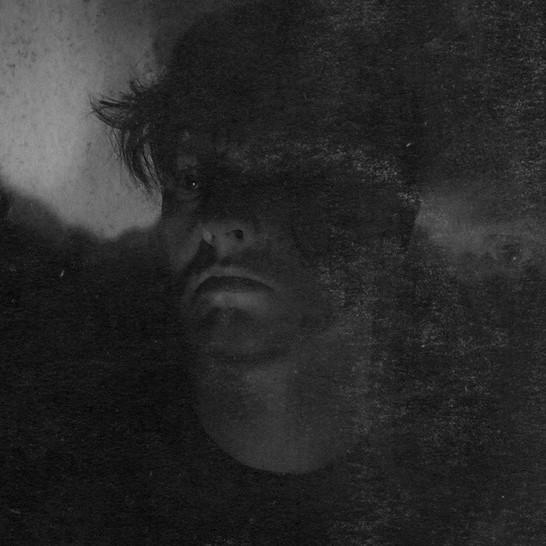
Lustre’s Spotify BioSweden's Lustre is the one-man atmospheric/ambient black metal studio project of Nachtzeit (given name Henrik Sunding). Perhaps the music's most notable aspect is in breaking with black metal tradition by using vintage keyboards and analog synthesizers instead of relying so heavily on buzzing guitars and blastbeat drums. It has also been described as "negative minimalism."
Sunding formed Lustre in 2008 after his tenures with Hypothermia and the Burning ended. Lustre's debut EP, Serenity, consisting of two tracks and clocking in at nearly 22 minutes, was privately issued in an edition of 150 copies. The full-length Night Spirit was released by De Tenebrarum Principio a year later, offering a fine snapshot of the direction the project was heading. Consisting of two 20-minute-plus tracks simply titled "Pt. 1" and "Pt. 2," it was rich in darkened atmosphere and lyric themes dealing with nature and pagan spirituality, hallmarks that have been consistent ever since. That same year, a… one-track demo, "Neath the Black Veil" was moody, eerie, raw black metal in which continuous loops of ghostly keyboard tones were attenuated by repetitive, fingerpicked, tremolo-laden electric guitar. The two-part EP Welcome Winter was also issued and appealed to critics on websites and in fanzines. Even higher praise was awarded to two successive full-lengths, the three-track A Glimpse of Glory in 2010 (specially notated for its nearly electro keyboard lines) and the half-vocal, half-instrumental four-track album They Awoke to the Scent of Spring in 2012 (along with a split single with Feigur). The next year, Nachtzeit assembled and released the compilation Lost in Lustrous Night Skies to universal acclaim from the metal press; they embraced Lustre as a seemingly vanguard project even in underground extreme music circles. 2013 was a prolific year, as the lone 18-minute track, A Spark of Times of Old EP, and a limited split single with Aus der Transzendenz on I, Voidhanger Records were released. 2014's Through the Oceans to the Stars split album with Elderwind was especially notable for its juxtaposition of Tangerine Dream-esque late-'70s sequencers and Depeche Mode-esque gothic pop darkness.
Lustre signed with Nordvis Produktion for the single "'Neath Rock and Stone," a single that featured the lone track "Blossom, Pt. 3" -- an early preview of the following year's album. With 2015's Phantom EP and Blossom album, Lustre went back to the suite-like constructions of earlier years, though the sound shifted to embrace an almost Alcest-like melodicism. The latter, a four-part untitled suite, was almost cinematic in scope with its pronounced guitar chords layered behind wafting, sad synths and other keyboards, basic drums beats, and loops. Lustre closed the year with the one-cut Nestle Within EP.
Throughout it all, word continued to spread about Lustre's unique, melancholic, and beautiful sound. Even apart from the heavy metal press, Nachtzeit's digital and streaming profile rose exponentially, raking in hundreds of thousands of views on social media and streaming and digital sales that far exceeded all previous sales. In late 2017, Lustre issued Still Innocence, an album combined with a bonus EP of unreleased material entitled Forest Wanderer. While the album's songs offered even more intricate layers of instrumentation, distorted whispered vocals, and uplifting atmospherics, it was the EP, comprised entirely of keyboards and programming, that drew the most attention for its engagement with crossover classical and ambient music. The sound displayed on both were combined on the 12-minute digital single "The First Snow," issued in February of the following year. The seeming optimistic shift in lyric concern was born out by a more majestic musical profile and the lyrics to the song's lone verse: "Embrace this innocent beginning/To a chapter of woe and wonder/A night all dressed in white/The first snow...a token of curiosity." ~ Thom Jurek
Viberate is a music analytics platform built for A&Rs, artist managers, labels, booking agents, marketers, and artists.
It helps music professionals track artist growth, analyze audience data, monitor playlist activity, compare artists, follow song performance, and identify opportunities across the music market.
Public artist pages provide a free preview of selected artist data. Paid plans provide access to deeper analytics, historical data, charts, comparisons, playlist tools, exports, alerts, reports, and additional professional features.
Yes. Public Viberate artist pages provide selected artist analytics and music data for free.
Viberate also offers a 7-day free trial of the full platform. A credit card is required to start the trial. The trial includes access to the complete product so users can test deeper artist analytics, historical views, playlist insights, comparisons, charts, exports, alerts, and reporting features before choosing a paid plan.
Viberate provides artist analytics across streaming, playlists, social media, video, radio airplay, songs, and audience markets.
Users can analyze Spotify performance, Spotify and Apple Music playlists, YouTube activity, TikTok and Instagram growth, radio spins, song performance, audience locations, demographics, rankings, and overall artist momentum.
Artist profiles also connect to music charts, similar artists, and comparison tools, helping users benchmark performance and evaluate artists in context.
Viberate updates key artist and track data daily.
For followed artists and tracks, selected data is refreshed multiple times per day. This helps teams monitor playlist changes, streaming movement, audience growth, releases, and campaign performance with more current data.
Update frequency can vary depending on the metric and data source.
Yes. Viberate lets users compare up to five artists side by side across streaming, social media, audience, and engagement metrics.
Users can compare fanbase growth, audience demographics, locations, Spotify performance, social metrics, and other artist data over selected time periods.
Artist comparison can be used for A&R scouting, benchmarking, booking decisions, campaign planning, and evaluating artists with similar audiences or market positions.