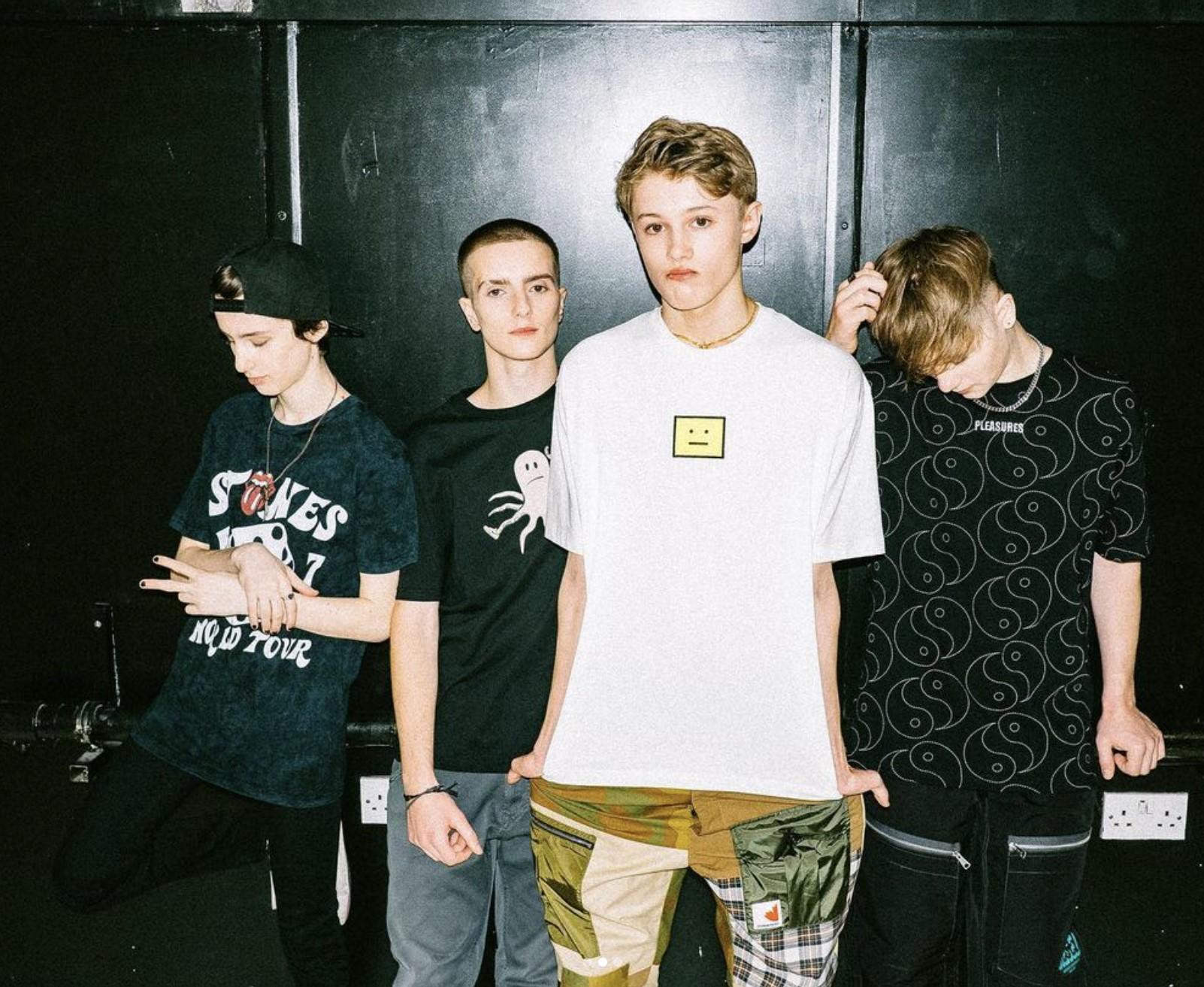
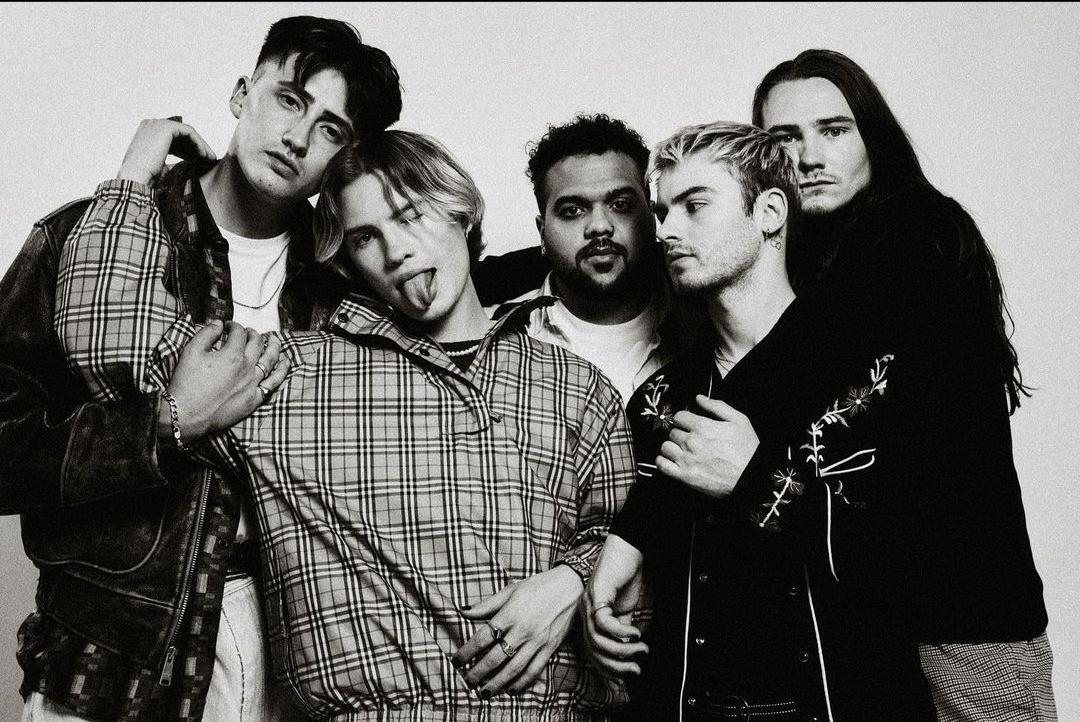
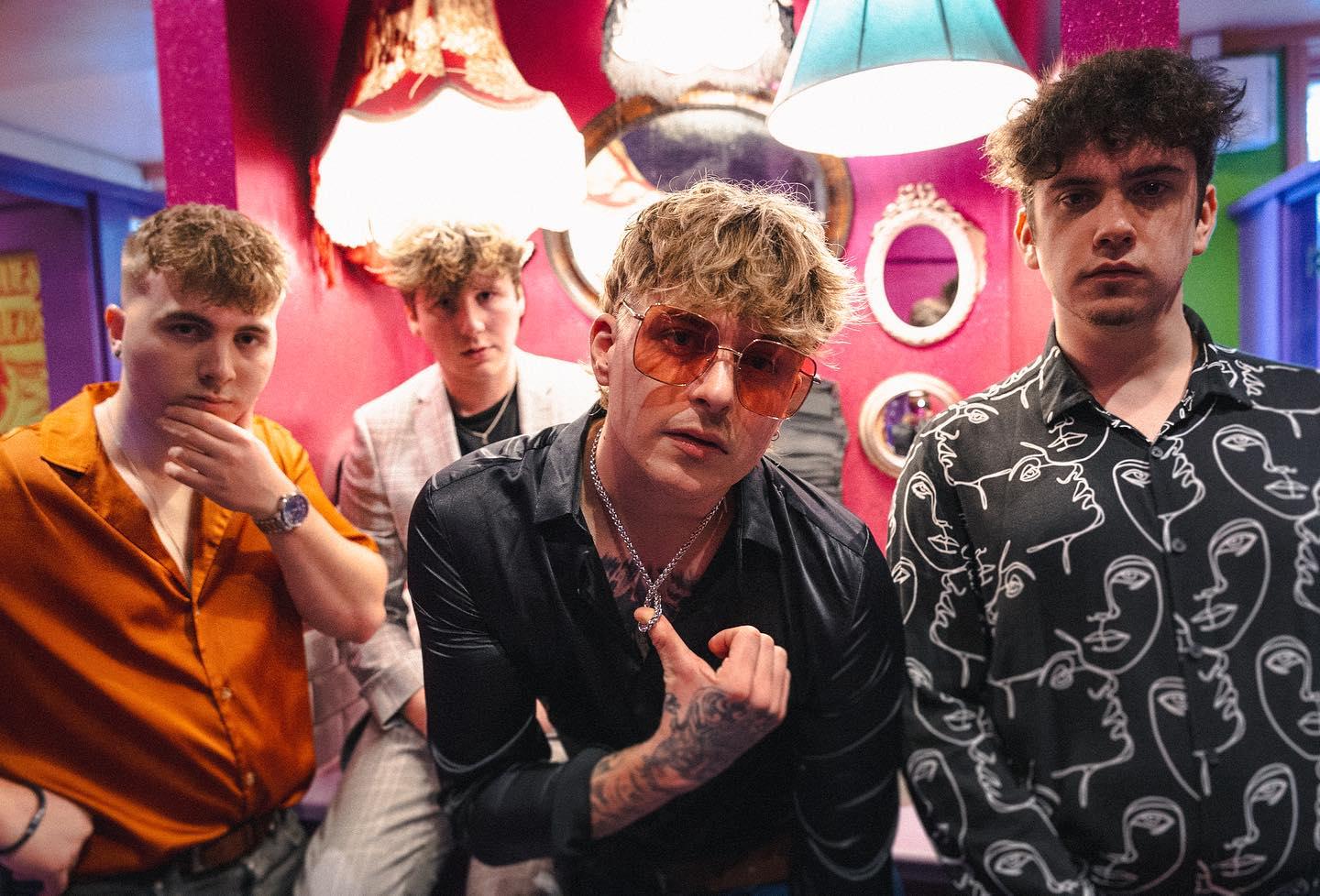
LUNARS

Punk
Pop Punk
 Viberate Rank: 344188
 Viberate Rank: 344188
 Monthly ListenersFollowers
 Subscribers
 Followers
 Followers
 FansTop Spotify Songs
| Track | 7-Day Streams | |
|---|---|---|
1 | 241 | |
2 | 161 | |
3 | 145 | |
4 | 109 | |
5 | 101 |
Top YouTube VideosMonthly ListenersFeatured in Playlists| Playlist | Followers | |
|---|---|---|
1 |  POP Hits 2024 - Pop Songs 🔥 Top Charts POP HITS | 4.40K |
2 |  Heated Rivalry core🏒🍑 lucy.geoghegan | 2.31K |
3 | "Time Capsule" 70's 80's 90's Pier Angelly Castaño Burgos | 1.92K |
4 |  Rock Show with Daniel P Carter raivis.km | 1.37K |
Audience| City | Monthly Listeners | |
|---|---|---|
1 | | 89 |
2 | | 49 |
3 | | 40 |
4 |  | 31 |
5 | | 26 |
See full performance history, audience data, playlist activity, rankings, comparisons, and more in Viberate music analytics. Start with a free trial, then continue with a paid plan.
LUNARS’ Spotify BioLUNARS (formerly known as The Lunar Year), featuring Connor Ball (Bassist of The Vamps) and Sasa Macek (Drummer of Cheat Codes), return with their sophomore effort following their debut EP released in 2022, produced by GRAMMY-nominated Matt Malpass and released via M3 Recordings. Their breakout singles “Back For More” and successive tracks “Medicine” and “Boys Will Cry” caught the attention of Kerrang!, Upset, Rock Sound, Daily Star, and United By Pop—to name a few. “Back For More” struck an impressive balance at radio, achieving plays on BBC Radio 1’s Best New Pop, Future Alternative with Nels Hylton, and The Rock Show with Daniel P Carter, as well as plays on Kerrang! Radio. “Boys Will Cry” peaked at #1 on iTunes Top 40 UK Rock Chart and #22 on iTunes Top 40 UK Chart upon release.
A refreshing change of pace for both Ball and Macek, the band leans into the new era of pop-punk, exploring new sounds while igniting a one-two punch of chantable choruses and airtight instrumentation, and… bringing themes of vulnerability, coming-of-age, and the deterioration of relationships together in a future-forward package. 2023 brought a wave of new music, including collaborations with Mark Hoppus of Blink-182 on "Hey Wait!" and pop-punk anthems like "Ghost Town" and "Buried In The Basement." The band's latest release, "Figure It Out," points to the direction ahead for LUNARS for their forthcoming LP, slated for release in 2024.
Viberate is a music analytics platform built for A&Rs, artist managers, labels, booking agents, marketers, and artists.
It helps music professionals track artist growth, analyze audience data, monitor playlist activity, compare artists, follow song performance, and identify opportunities across the music market.
Public artist pages provide a free preview of selected artist data. Paid plans provide access to deeper analytics, historical data, charts, comparisons, playlist tools, exports, alerts, reports, and additional professional features.
Yes. Public Viberate artist pages provide selected artist analytics and music data for free.
Viberate also offers a 7-day free trial of the full platform. A credit card is required to start the trial. The trial includes access to the complete product so users can test deeper artist analytics, historical views, playlist insights, comparisons, charts, exports, alerts, and reporting features before choosing a paid plan.
Viberate provides artist analytics across streaming, playlists, social media, video, radio airplay, songs, and audience markets.
Users can analyze Spotify performance, Spotify and Apple Music playlists, YouTube activity, TikTok and Instagram growth, radio spins, song performance, audience locations, demographics, rankings, and overall artist momentum.
Artist profiles also connect to music charts, similar artists, and comparison tools, helping users benchmark performance and evaluate artists in context.
Viberate updates key artist and track data daily.
For followed artists and tracks, selected data is refreshed multiple times per day. This helps teams monitor playlist changes, streaming movement, audience growth, releases, and campaign performance with more current data.
Update frequency can vary depending on the metric and data source.
Yes. Viberate lets users compare up to five artists side by side across streaming, social media, audience, and engagement metrics.
Users can compare fanbase growth, audience demographics, locations, Spotify performance, social metrics, and other artist data over selected time periods.
Artist comparison can be used for A&R scouting, benchmarking, booking decisions, campaign planning, and evaluating artists with similar audiences or market positions.