Luna Mortis

Metal
Progressive Metal
Death Metal
 Viberate Rank: 464869
 Viberate Rank: 464869
 Monthly ListenersFollowers
 Subscribers
 Followers
 Followers
 FansTop Spotify Songs
| Track | 7-Day Streams | |
|---|---|---|
1 | 39 | |
2 | 23 | |
3 | 22 | |
4 | 19 | |
5 | 17 |
Top YouTube VideosMonthly ListenersFeatured in Playlists| Playlist | Followers | |
|---|---|---|
1 |  Female Fronted Metal Tennrich | 23.86K |
2 |  Gym modo SEMIDIÓS Aries | 11.63K |
3 | 🦴Melodic Metalcore🦴 Jan Tore Hylland | 7.62K |
4 |  WOR - Women of Metal and Rock Emanuele Albesano | 2.99K |
5 | GOB Max Y | 2.55K |
Audience| City | Monthly Listeners | |
|---|---|---|
1 |  | 14 |
2 |  | 9 |
3 | | 8 |
4 | | 7 |
5 |  | 6 |
See full performance history, audience data, playlist activity, rankings, comparisons, and more in Viberate music analytics. Start with a free trial, then continue with a paid plan.
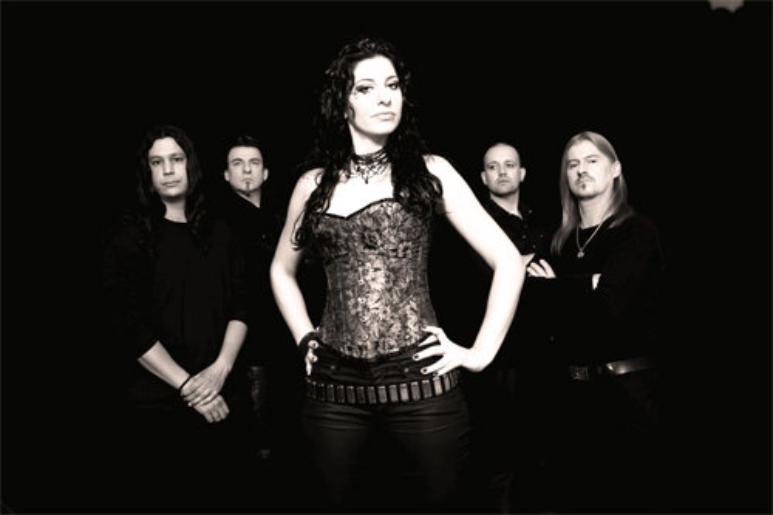
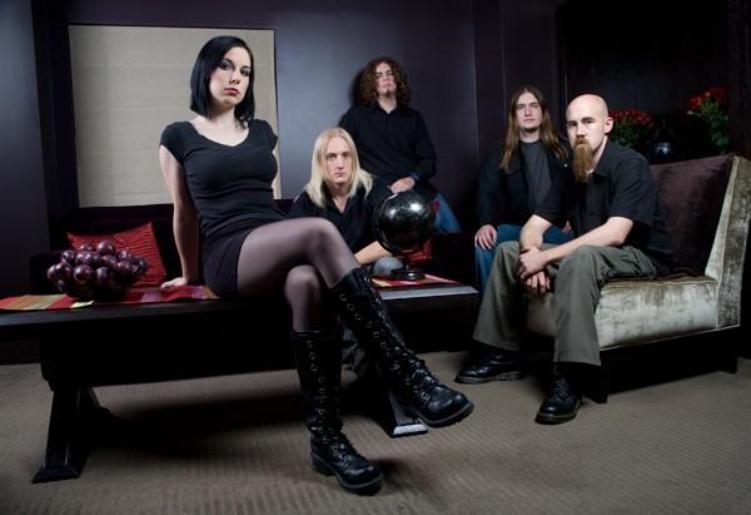
Luna Mortis’ Spotify BioFor all of its many contributions to America's alternative and college rock movements, Madison, WI, hasn't exactly been a historical breeding ground for heavy metal -- until Luna Mortis, for one, saw fit to buck that trend. First assembled circa 2006 under the short-lived moniker of the Ottoman Empire, Luna Mortis sought to construct their own sound from influences as diverse as Megadeth, Nevermore, Dream Theater, and Children of Bodom, resulting in their self-financed debut album, Way of the Blade, released later that year. A 2007 EP named The Answer: Does Not Exist was produced by Jason Suecof (Trivium, Chimaira, etc.), and helped get Luna Mortis signed to Century Media, leading to the release of their next full-length, The Absence, in February 2009. The band's lineup at this time consisted of vocalist Mary Zimmer, lead guitarist and vocalist Brian Koenig, rhythm guitarist Cory Scheider, bassist Jake Bare, and drummer Erik Madsen. ~ Eduardo Rivadavia, Rovi
Viberate is a music analytics platform built for A&Rs, artist managers, labels, booking agents, marketers, and artists.
It helps music professionals track artist growth, analyze audience data, monitor playlist activity, compare artists, follow song performance, and identify opportunities across the music market.
Public artist pages provide a free preview of selected artist data. Paid plans provide access to deeper analytics, historical data, charts, comparisons, playlist tools, exports, alerts, reports, and additional professional features.
Yes. Public Viberate artist pages provide selected artist analytics and music data for free.
Viberate also offers a 7-day free trial of the full platform. A credit card is required to start the trial. The trial includes access to the complete product so users can test deeper artist analytics, historical views, playlist insights, comparisons, charts, exports, alerts, and reporting features before choosing a paid plan.
Viberate provides artist analytics across streaming, playlists, social media, video, radio airplay, songs, and audience markets.
Users can analyze Spotify performance, Spotify and Apple Music playlists, YouTube activity, TikTok and Instagram growth, radio spins, song performance, audience locations, demographics, rankings, and overall artist momentum.
Artist profiles also connect to music charts, similar artists, and comparison tools, helping users benchmark performance and evaluate artists in context.
Viberate updates key artist and track data daily.
For followed artists and tracks, selected data is refreshed multiple times per day. This helps teams monitor playlist changes, streaming movement, audience growth, releases, and campaign performance with more current data.
Update frequency can vary depending on the metric and data source.
Yes. Viberate lets users compare up to five artists side by side across streaming, social media, audience, and engagement metrics.
Users can compare fanbase growth, audience demographics, locations, Spotify performance, social metrics, and other artist data over selected time periods.
Artist comparison can be used for A&R scouting, benchmarking, booking decisions, campaign planning, and evaluating artists with similar audiences or market positions.