Lumisokea

Electronic
Downtempo
Other Electronic Music
 Viberate Rank: 491711
 Viberate Rank: 491711
 Monthly ListenersFollowers
 Subscribers
 Followers
 Followers
 FansTop YouTube VideosMonthly ListenersFeatured in Playlists
| Playlist | Followers | |
|---|---|---|
1 | industrial techno Krzysztof Kwiatkowski | 27.61K |
2 |  Experimental Electronics daanvanzuylen | 3.55K |
3 |  Experimental / Tribal Ambient / Ritualistic / World Mutant / Alien Electronic Fred | 2.12K |
4 |  PITCH Festival 2015 PITCH Festival | 1.83K |
5 | NEW MUSIC: Experimental / Avant-Garde (2026) Daily Fresh Finds | 1.78K |
Audience| City | Monthly Listeners | |
|---|---|---|
1 | | 4 |
See full performance history, audience data, playlist activity, rankings, comparisons, and more in Viberate music analytics. Start with a free trial, then continue with a paid plan.
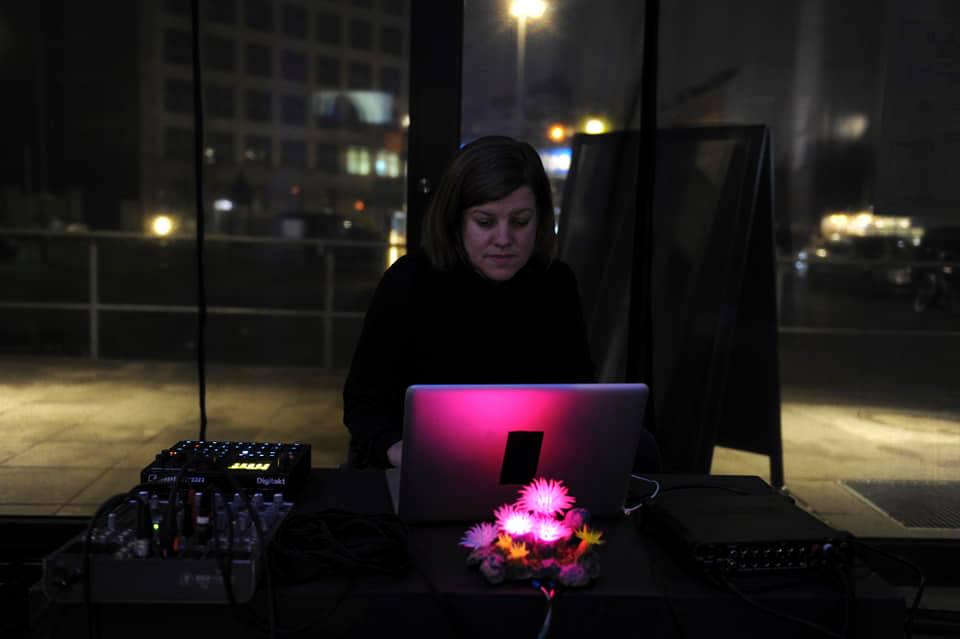
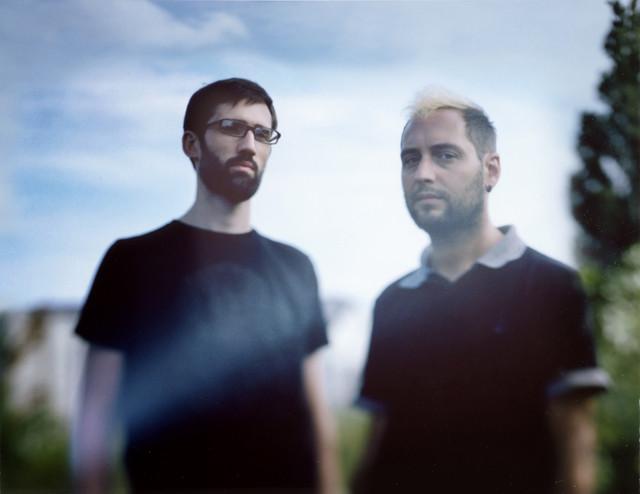
Lumisokea’s Spotify BioLumisokea are a Berlin-based electronic duo (Koenraad Ecker and Andrea Taeggi) who construct dark, challenging atmospheres utilizing prepared pianos and other acoustic instruments, as well as abrasive, mangled beats that often defy conventional rhythms. Their dub-inspired, bass-heavy pieces sometimes resemble Autechre's more detached moments, but with more acoustic elements. They also incorporate plenty of field recordings, tape experiments, and vintage synthesizers into their work. The duo first surfaced in 2011, releasing Automatons on Dutch label Eat Concrete, followed by Selva on the same label in 2012. In early 2014, Lumisokea released their most rhythmic release to date, Apophenia, on British experimental techno label Opal Tapes. The label also simultaneously released a companion cassette titled Contrapasso, which was more ambient and experimental. The duo returned to Eat Concrete the following summer for a digital EP titled Eavesdropping on Pianists, which sampled percussion… sounds from Russian actor Vladimir Popov's Noise Machines, designed in the 1920s. In 2015, the duo released a new album titled Mnemosyne on Luke Younger's Alter label. The album featured less of an emphasis on heavy bass textures than previous work, focusing more on acoustic instruments such as gamelan bells and cello, as well as improvisations recorded on analog synths. Lumisokea returned to Opal Tapes in early 2016 with a new album titled Transmissions from Revarsavr. ~ Paul Simpson, Rovi
Viberate is a music analytics platform built for A&Rs, artist managers, labels, booking agents, marketers, and artists.
It helps music professionals track artist growth, analyze audience data, monitor playlist activity, compare artists, follow song performance, and identify opportunities across the music market.
Public artist pages provide a free preview of selected artist data. Paid plans provide access to deeper analytics, historical data, charts, comparisons, playlist tools, exports, alerts, reports, and additional professional features.
Yes. Public Viberate artist pages provide selected artist analytics and music data for free.
Viberate also offers a 7-day free trial of the full platform. A credit card is required to start the trial. The trial includes access to the complete product so users can test deeper artist analytics, historical views, playlist insights, comparisons, charts, exports, alerts, and reporting features before choosing a paid plan.
Viberate provides artist analytics across streaming, playlists, social media, video, radio airplay, songs, and audience markets.
Users can analyze Spotify performance, Spotify and Apple Music playlists, YouTube activity, TikTok and Instagram growth, radio spins, song performance, audience locations, demographics, rankings, and overall artist momentum.
Artist profiles also connect to music charts, similar artists, and comparison tools, helping users benchmark performance and evaluate artists in context.
Viberate updates key artist and track data daily.
For followed artists and tracks, selected data is refreshed multiple times per day. This helps teams monitor playlist changes, streaming movement, audience growth, releases, and campaign performance with more current data.
Update frequency can vary depending on the metric and data source.
Yes. Viberate lets users compare up to five artists side by side across streaming, social media, audience, and engagement metrics.
Users can compare fanbase growth, audience demographics, locations, Spotify performance, social metrics, and other artist data over selected time periods.
Artist comparison can be used for A&R scouting, benchmarking, booking decisions, campaign planning, and evaluating artists with similar audiences or market positions.