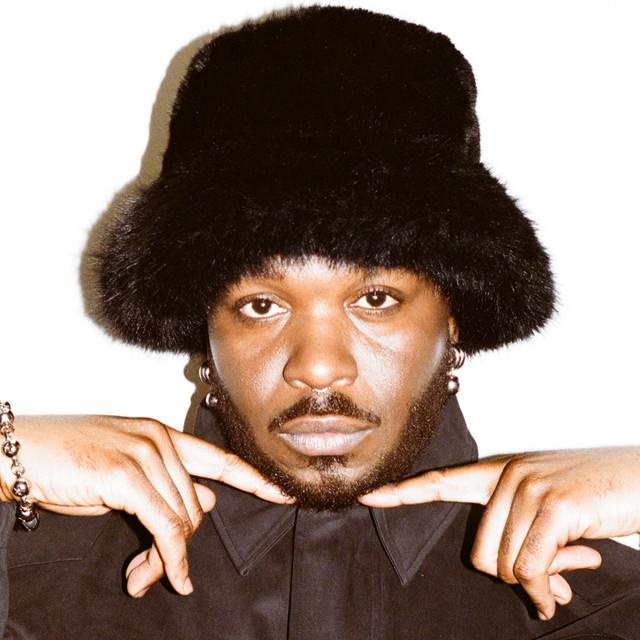
Lulu Be.

Hip Hop
Contemporary Hip Hop
 Viberate Rank: 280511
 Viberate Rank: 280511
 Monthly ListenersFollowers
 Subscribers
 Followers
 Followers
 FansTop Spotify Songs
| Track | 7-Day Streams | |
|---|---|---|
1 | 3.51K | |
2 | 395 | |
3 | 383 | |
4 | 232 | |
5 | 216 |
Top YouTube VideosMonthly ListenersFeatured in Playlists| Playlist | Followers | |
|---|---|---|
1 |  Girly pop 🍒✨ Cunty songs 💅🏼 francescaXmusic | 15.72K |
2 |  Life Is Beautiful 2023 Michael Bello | 11.62K |
3 | 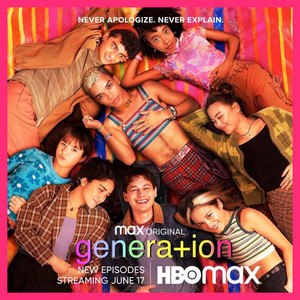 Generation - Soundtrack HBO Max 2021 Album | 11.07K |
4 | BALLROOM - VOGUE BALL Gaspar Blaya | 10.20K |
5 |  LEZ GET WET COBRAH | 9.15K |
Audience| City | Monthly Listeners | |
|---|---|---|
1 | | 233 |
2 | | 201 |
3 | | 174 |
4 | | 149 |
5 |  | 147 |
See full performance history, audience data, playlist activity, rankings, comparisons, and more in Viberate music analytics. Start with a free trial, then continue with a paid plan.
Lulu Be.’s Spotify BioAs a first generation Ethiopian born and raised in the city of Chicago, Lulu Be. grew up between two worlds: her family’s deeply rooted Ethiopian culture and the life of an American city kid. It is these worlds that garnered her musical inspiration and created her unique sound combining elements of afrobeats, Chicago house/juke, and hip-hop, topped with her lyrical flow. Illustrious Chicago music blog Fake Shore Drive described it as, “A big gumbo pot stirring with ingredients such as afrobeats, juke, and dancehall.” Never being the school type, Lulu Be. took a long break before deciding to attend Columbia College Chicago to study music engineering. While at Columbia she worked as a studio manager at the renowned Classick Studios where she recorded her first track "Rude Tings." The song unexpectedly blew up with 300k streams on Spotify, 154k on Soundcloud, fan made dance videos shared by celebrities like Lala Anthony & June Ambrose, and even aired on BBC Radio 1. Soon after Pigeons and… Planes named her as an “Artist to Look Out For.” It was then that Lulu Be. decided to turn her long love for music and pursue it full time. Lulu Be. released her first project Lululand October 13th, 2017. The five track EP shows her versatility as a rapper while creating a new lane for her. The project received a lot of praise from the likes of Fake Shore Drive, Miss Info, Hip Hop Since 1987, and had "Raindance," a song off the EP featured on an Adidas x Urban Outfitters online campaign.
Viberate is a music analytics platform built for A&Rs, artist managers, labels, booking agents, marketers, and artists.
It helps music professionals track artist growth, analyze audience data, monitor playlist activity, compare artists, follow song performance, and identify opportunities across the music market.
Public artist pages provide a free preview of selected artist data. Paid plans provide access to deeper analytics, historical data, charts, comparisons, playlist tools, exports, alerts, reports, and additional professional features.
Yes. Public Viberate artist pages provide selected artist analytics and music data for free.
Viberate also offers a 7-day free trial of the full platform. A credit card is required to start the trial. The trial includes access to the complete product so users can test deeper artist analytics, historical views, playlist insights, comparisons, charts, exports, alerts, and reporting features before choosing a paid plan.
Viberate provides artist analytics across streaming, playlists, social media, video, radio airplay, songs, and audience markets.
Users can analyze Spotify performance, Spotify and Apple Music playlists, YouTube activity, TikTok and Instagram growth, radio spins, song performance, audience locations, demographics, rankings, and overall artist momentum.
Artist profiles also connect to music charts, similar artists, and comparison tools, helping users benchmark performance and evaluate artists in context.
Viberate updates key artist and track data daily.
For followed artists and tracks, selected data is refreshed multiple times per day. This helps teams monitor playlist changes, streaming movement, audience growth, releases, and campaign performance with more current data.
Update frequency can vary depending on the metric and data source.
Yes. Viberate lets users compare up to five artists side by side across streaming, social media, audience, and engagement metrics.
Users can compare fanbase growth, audience demographics, locations, Spotify performance, social metrics, and other artist data over selected time periods.
Artist comparison can be used for A&R scouting, benchmarking, booking decisions, campaign planning, and evaluating artists with similar audiences or market positions.