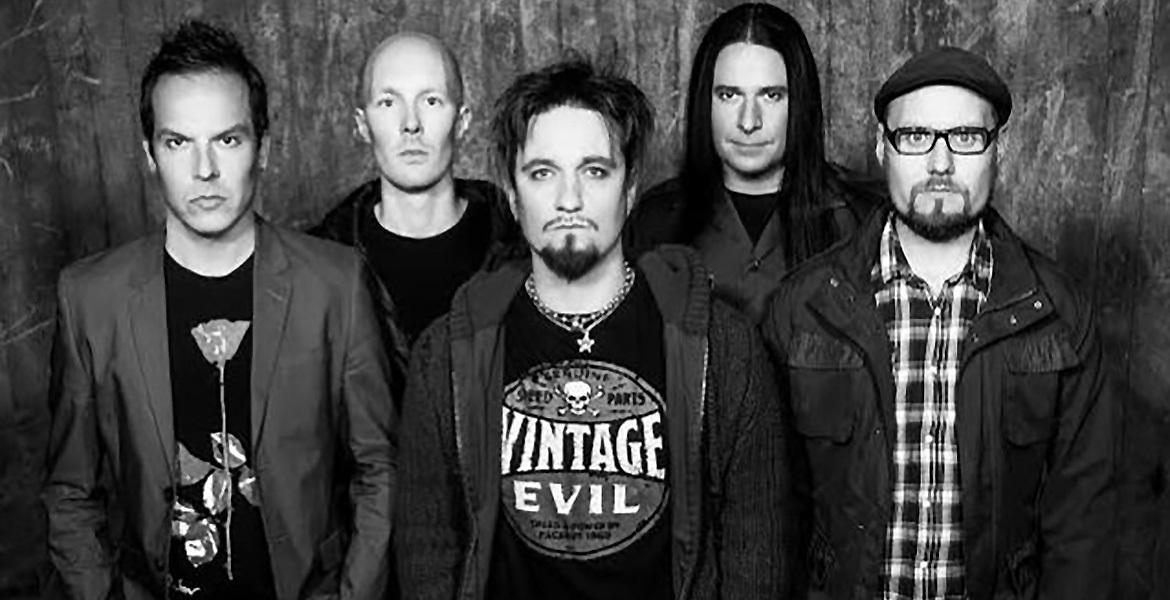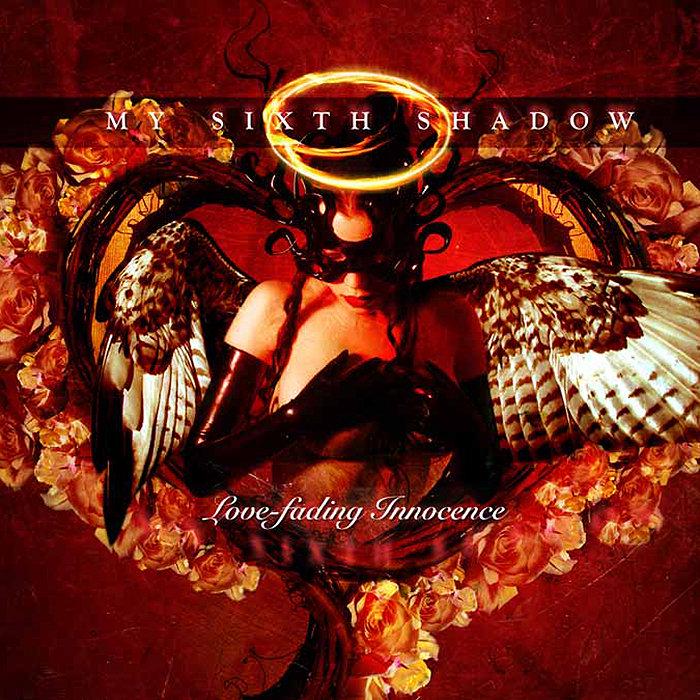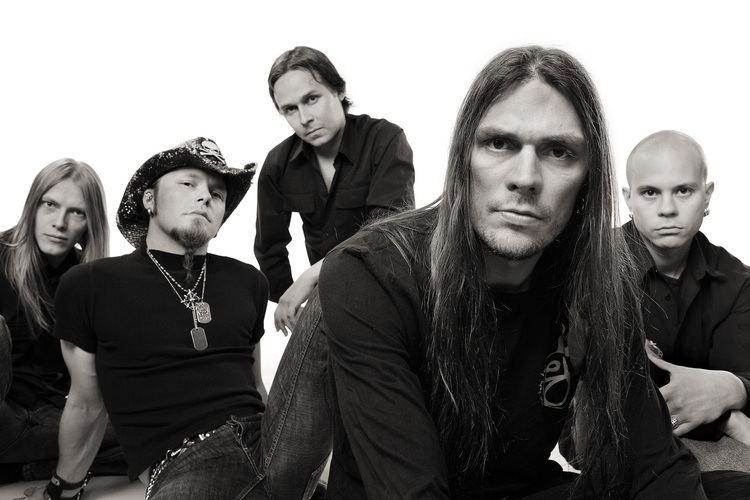
Lullacry

Metal
Heavy Metal
Gothic Metal
 Viberate Rank: 228725
 Viberate Rank: 228725
 Monthly ListenersFollowers
 Subscribers
 Followers
 Followers
 FansTop Spotify Songs
| Track | 7-Day Streams | |
|---|---|---|
1 | 2.38K | |
2 | 1.24K | |
3 | 854 | |
4 | 833 | |
5 | 652 |
Top YouTube VideosMonthly ListenersFeatured in Playlists| Playlist | Followers | |
|---|---|---|
1 | Hard Rock Training/Workout nachpe | 26.21K |
2 |  Female Fronted Metal Tennrich | 23.86K |
3 | Bible of Nu-Metal/alternatif Grunt | 15.47K |
4 |  gothic metal & symphonic metal 🥀 lesfleursdumal | 12.47K |
5 | Melodic Metal & Rock arctic4x | 5.59K |
Audience| City | Monthly Listeners | |
|---|---|---|
1 | | 386 |
2 |  | 155 |
3 |  | 133 |
4 |  | 115 |
5 |  | 111 |
See full performance history, audience data, playlist activity, rankings, comparisons, and more in Viberate music analytics. Start with a free trial, then continue with a paid plan.
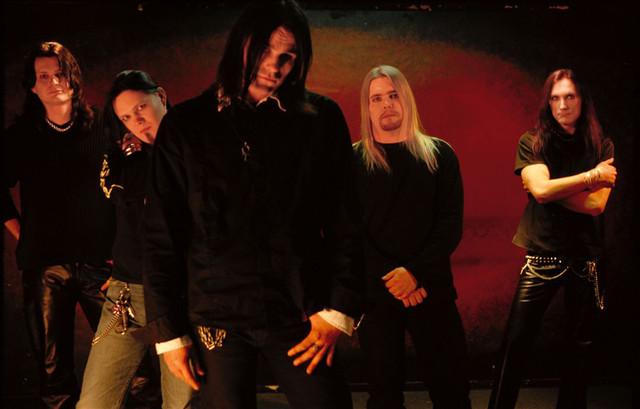
Lullacry’s Spotify BioLullacry are a melodic, female-fronted hard rock outfit from Finland whose music, while occasionally borrowing from goth, remains firmly planted in the realm of pop metal. The earliest incarnation of the band appeared under the name Coarse in the mid- to late '90s; that lineup released a demo called Downwards, and was featured on the Suomi Finland Perkele compilation album. After several lineup changes, the group hired lead vocalist Tanya, whose singing style -- a somewhat edgy but ultimately mainstream pop approach -- helped the band define its musical direction further and led to its new name, Lullacry. They recorded their first demo, Weeper's Aeon, under the new moniker in fall of 1998, and followed that quickly with the promotional CD recordings Sweet Desire and Alone the following year. Lullacry's reputation as a live act strengthened around this time, thanks to supporting gigs for the Gathering and high profile appearances at Tuska Metal Fest and Nummirock Festival, which also… helped to earn the group some positive reviews in many mainstream music magazines. Lullacry recorded its debut full-length, Sweet Desire, for Heart, Trust, and Respect Records, and released it in late 1999. The title track of the album appeared on the double CD compilation Millenniumliitto, a best-selling release from Finnish label Spinefarm Records. Lullacry spent the year 2000, performing on various Finnish TV shows, as well as attracting interest from several national radio stations and daily/weekly magazines. By the end of the year, the group, whose lineup now consisted of lead vocalist Tanya, Sami (guitar), Sauli (guitar), Heavy (bass), and Jukka (drums), signed a deal with Spinefarm Records. They recorded and released their album Be My God, which was also picked up by Century Media Records, in 2001. ~ Andy Hinds, Rovi
Viberate is a music analytics platform built for A&Rs, artist managers, labels, booking agents, marketers, and artists.
It helps music professionals track artist growth, analyze audience data, monitor playlist activity, compare artists, follow song performance, and identify opportunities across the music market.
Public artist pages provide a free preview of selected artist data. Paid plans provide access to deeper analytics, historical data, charts, comparisons, playlist tools, exports, alerts, reports, and additional professional features.
Yes. Public Viberate artist pages provide selected artist analytics and music data for free.
Viberate also offers a 7-day free trial of the full platform. A credit card is required to start the trial. The trial includes access to the complete product so users can test deeper artist analytics, historical views, playlist insights, comparisons, charts, exports, alerts, and reporting features before choosing a paid plan.
Viberate provides artist analytics across streaming, playlists, social media, video, radio airplay, songs, and audience markets.
Users can analyze Spotify performance, Spotify and Apple Music playlists, YouTube activity, TikTok and Instagram growth, radio spins, song performance, audience locations, demographics, rankings, and overall artist momentum.
Artist profiles also connect to music charts, similar artists, and comparison tools, helping users benchmark performance and evaluate artists in context.
Viberate updates key artist and track data daily.
For followed artists and tracks, selected data is refreshed multiple times per day. This helps teams monitor playlist changes, streaming movement, audience growth, releases, and campaign performance with more current data.
Update frequency can vary depending on the metric and data source.
Yes. Viberate lets users compare up to five artists side by side across streaming, social media, audience, and engagement metrics.
Users can compare fanbase growth, audience demographics, locations, Spotify performance, social metrics, and other artist data over selected time periods.
Artist comparison can be used for A&R scouting, benchmarking, booking decisions, campaign planning, and evaluating artists with similar audiences or market positions.