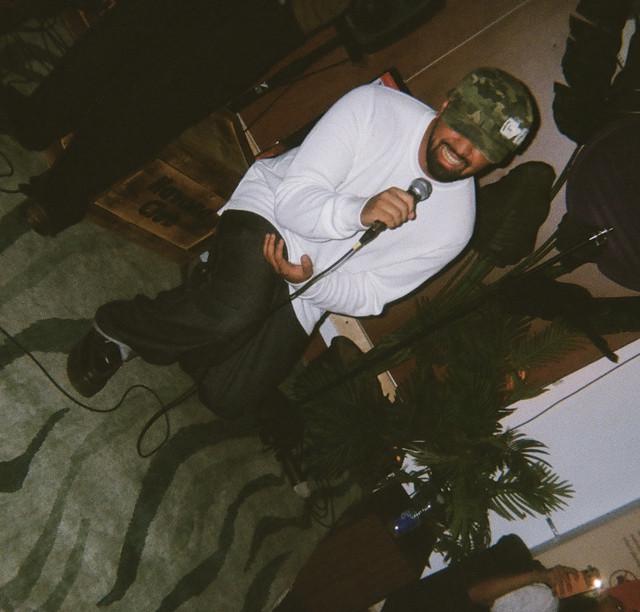
Luke Valentine

R&B
Contemporary R&B
Contemporary Hip Hop
 Viberate Rank: 523412
 Viberate Rank: 523412
 Monthly ListenersFollowers
 Subscribers
 Followers
 Followers
 FansTop Spotify Songs
| Track | 7-Day Streams | |
|---|---|---|
1 | 376 | |
2 | 265 | |
3 | 158 | |
4 | 153 | |
5 | 59 |
Top YouTube VideosMonthly ListenersFeatured in Playlists| Playlist | Followers | |
|---|---|---|
1 |  underrated rnb awills | 62.11K |
2 |  why R&B matters: dark R&B Luke Valentine | 23.37K |
3 |  Late Night Drive SpinHeads | 7.07K |
4 |  why R&B matters: for the lovers Luke Valentine | 6.76K |
5 |  Dark RnB A Vibe sheeloveskp | 6.55K |
Audience| City | Monthly Listeners | |
|---|---|---|
1 | | 31 |
2 |  | 24 |
3 | | 23 |
4 |  | 23 |
5 |  | 21 |
See full performance history, audience data, playlist activity, rankings, comparisons, and more in Viberate music analytics. Start with a free trial, then continue with a paid plan.
Luke Valentine’s Spotify BioLuke Valentine is part of a new wave of R&B artists reshaping the late-night side of the genre.
At 23, he’s been developing his sound since 2019, building a style rooted in dark R&B while blending it with alternative textures and modern R&B influences. His music sits in that space where intimacy, tension, and vulnerability meet — slow-burning records that feel cinematic, sensual, and built for the quiet hours.
Influenced by artists like Brent Faiyaz, Chase Shakur, Odeal, and 6LACK, Luke leans into moody production, smooth vocals, and emotionally direct songwriting. His records often explore modern relationships, late-night connections, and the blurred lines between romance, desire, and detachment.
Part of a new generation redefining what R&B can sound like today, Luke represents the darker, more atmospheric edge of the genre — the kind of music that turns the late hours into a soundtrack.
Viberate is a music analytics platform built for A&Rs, artist managers, labels, booking agents, marketers, and artists.
It helps music professionals track artist growth, analyze audience data, monitor playlist activity, compare artists, follow song performance, and identify opportunities across the music market.
Public artist pages provide a free preview of selected artist data. Paid plans provide access to deeper analytics, historical data, charts, comparisons, playlist tools, exports, alerts, reports, and additional professional features.
Yes. Public Viberate artist pages provide selected artist analytics and music data for free.
Viberate also offers a 7-day free trial of the full platform. A credit card is required to start the trial. The trial includes access to the complete product so users can test deeper artist analytics, historical views, playlist insights, comparisons, charts, exports, alerts, and reporting features before choosing a paid plan.
Viberate provides artist analytics across streaming, playlists, social media, video, radio airplay, songs, and audience markets.
Users can analyze Spotify performance, Spotify and Apple Music playlists, YouTube activity, TikTok and Instagram growth, radio spins, song performance, audience locations, demographics, rankings, and overall artist momentum.
Artist profiles also connect to music charts, similar artists, and comparison tools, helping users benchmark performance and evaluate artists in context.
Viberate updates key artist and track data daily.
For followed artists and tracks, selected data is refreshed multiple times per day. This helps teams monitor playlist changes, streaming movement, audience growth, releases, and campaign performance with more current data.
Update frequency can vary depending on the metric and data source.
Yes. Viberate lets users compare up to five artists side by side across streaming, social media, audience, and engagement metrics.
Users can compare fanbase growth, audience demographics, locations, Spotify performance, social metrics, and other artist data over selected time periods.
Artist comparison can be used for A&R scouting, benchmarking, booking decisions, campaign planning, and evaluating artists with similar audiences or market positions.