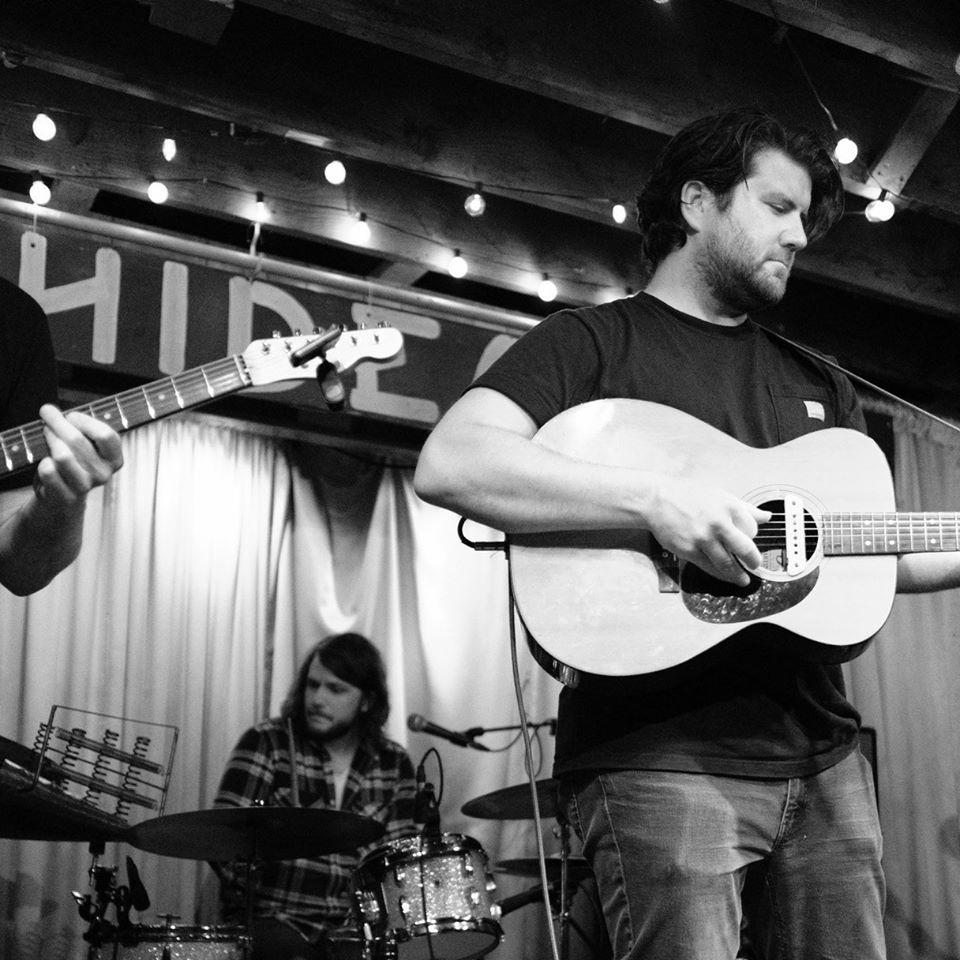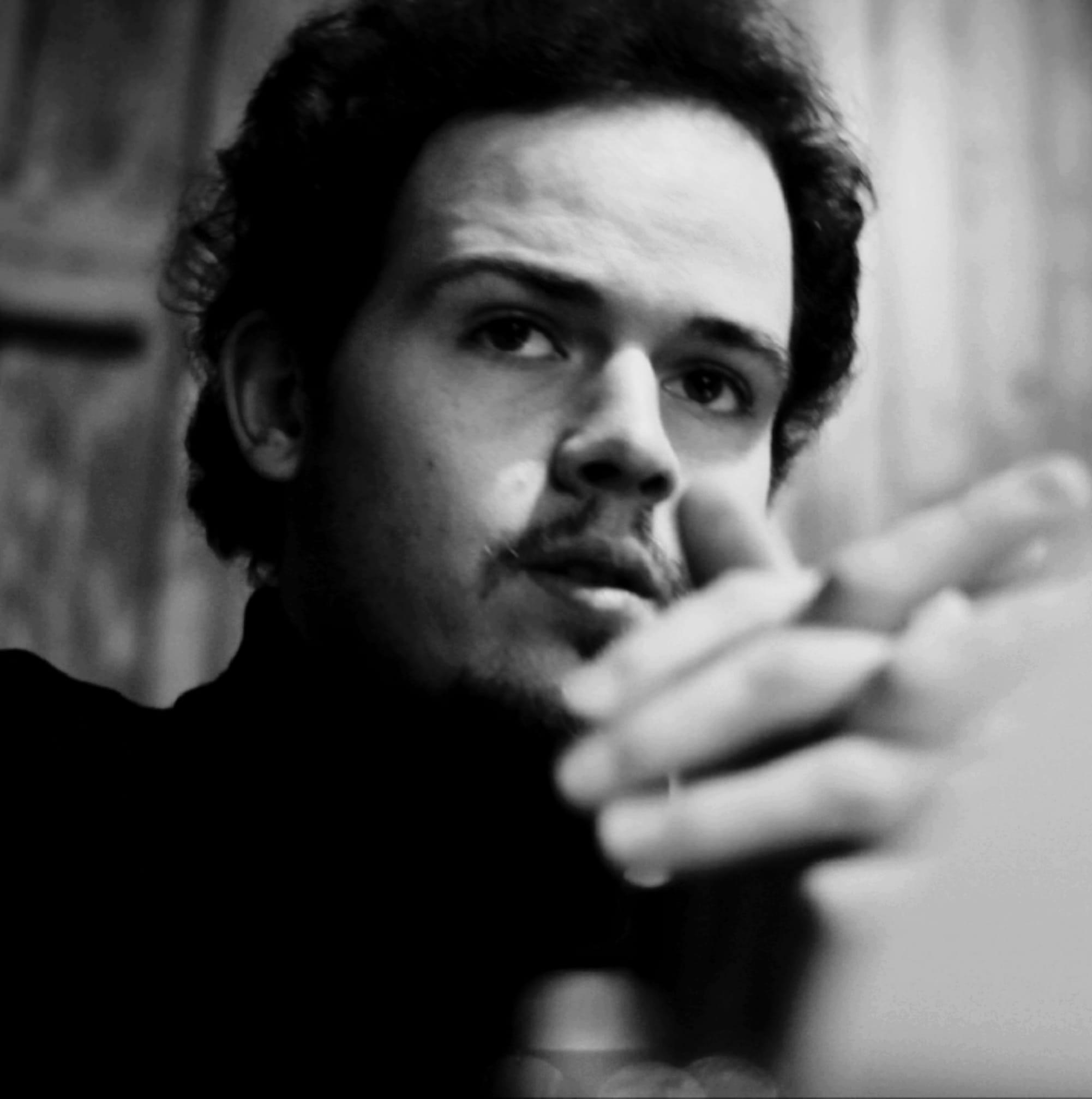
Luke Pelletier

Country
Contemporary Country
 Viberate Rank: 386141
 Viberate Rank: 386141
 Monthly ListenersFollowers
 Subscribers
 Followers
 Followers
 FansTop Spotify Songs
| Track | 7-Day Streams | |
|---|---|---|
1 | 12 | |
2 | 9 | |
3 | 7 | |
4 | 5 | |
5 | 5 |
Top YouTube VideosMonthly ListenersFeatured in PlaylistsAudience| City | Monthly Listeners | |
|---|---|---|
1 | | 12 |
2 | | 7 |
3 | | 6 |
4 |  | 5 |
5 | | 5 |
See full performance history, audience data, playlist activity, rankings, comparisons, and more in Viberate music analytics. Start with a free trial, then continue with a paid plan.
Luke Pelletier’s Spotify BioLuke was born in Tampa, Florida, the middle child. Luke grew up going from farm to farm, watching his dad shoe horses. On the weekends, his family would drive down to Lake Whales, where his father would enter hunting competitions. Those weekends were spent swimming in alligator filled ponds, riding ATVs, and looking for shade where he could find it.
Luke moved to western North Carolina when he was 7 years old. During the long Appalachian summers of his childhood, he found himself running around with a ragtag group of of friends, skateboarding, playing in punk bands, throwing house shows, going swimming in the forest, chasing girls, getting into fights, making art, and longing for something bigger and stranger than the small town.
Luke Pelletier set off for the School of the Art Institute of Chicago in 2011. It was here that he studied under Karl Wirsum. He developed a deep appreciation for the Chicago Imagists and their approach to making art.
Luke moved to Los Angeles right after school,… where he met the painter, Kristen Liu-Wong, who he later married. Luke has traveled the world exhibiting his art. He’s shown his art in Los Angeles, Chicago, New York, New Orleans, Boston, Korea, Paris, Italy, and Germany.
In 2021, Luke started “Back in the Garage,” with his brother, Tristan Pelletier. The project is a video session channel that has grown into live showcases and a thriving community. From this session channel, “Soggy Anvil Records” was born.
Viberate is a music analytics platform built for A&Rs, artist managers, labels, booking agents, marketers, and artists.
It helps music professionals track artist growth, analyze audience data, monitor playlist activity, compare artists, follow song performance, and identify opportunities across the music market.
Public artist pages provide a free preview of selected artist data. Paid plans provide access to deeper analytics, historical data, charts, comparisons, playlist tools, exports, alerts, reports, and additional professional features.
Yes. Public Viberate artist pages provide selected artist analytics and music data for free.
Viberate also offers a 7-day free trial of the full platform. A credit card is required to start the trial. The trial includes access to the complete product so users can test deeper artist analytics, historical views, playlist insights, comparisons, charts, exports, alerts, and reporting features before choosing a paid plan.
Viberate provides artist analytics across streaming, playlists, social media, video, radio airplay, songs, and audience markets.
Users can analyze Spotify performance, Spotify and Apple Music playlists, YouTube activity, TikTok and Instagram growth, radio spins, song performance, audience locations, demographics, rankings, and overall artist momentum.
Artist profiles also connect to music charts, similar artists, and comparison tools, helping users benchmark performance and evaluate artists in context.
Viberate updates key artist and track data daily.
For followed artists and tracks, selected data is refreshed multiple times per day. This helps teams monitor playlist changes, streaming movement, audience growth, releases, and campaign performance with more current data.
Update frequency can vary depending on the metric and data source.
Yes. Viberate lets users compare up to five artists side by side across streaming, social media, audience, and engagement metrics.
Users can compare fanbase growth, audience demographics, locations, Spotify performance, social metrics, and other artist data over selected time periods.
Artist comparison can be used for A&R scouting, benchmarking, booking decisions, campaign planning, and evaluating artists with similar audiences or market positions.