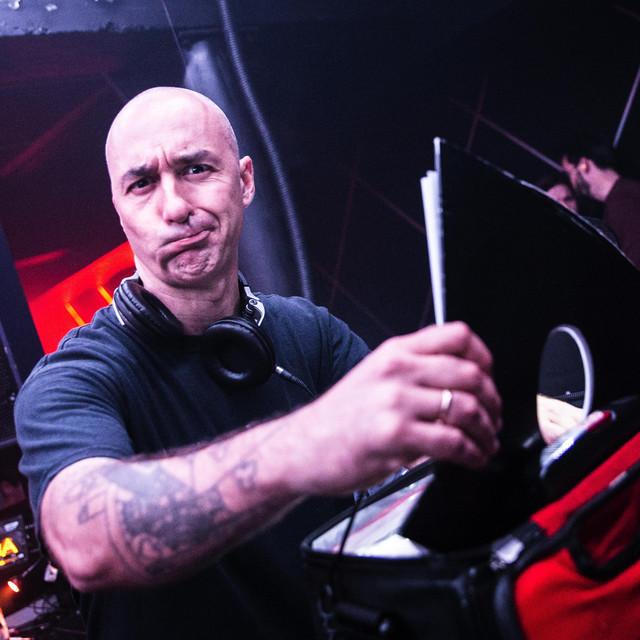
Luke Hess

Electronic
Techno
Dub Techno
Dub
 Viberate Rank: 185804
 Viberate Rank: 185804
 Monthly ListenersFollowers
 Subscribers
 Followers
 Followers
 FansTop YouTube VideosMonthly ListenersFeatured in Playlists
| Playlist | Followers | |
|---|---|---|
1 |  BERLIN TECHNO Ferdinand von Eltz-Rübenach | 73.33K |
2 | Boiler Room Bartholomew Cronin | 51.09K |
3 | Berghain Music Roman Wäger | 39.72K |
4 |  Dub Techno Jimmy Ghaderi | 22.36K |
5 |  Yu Su's track IDs Spotify | 21.14K |
Audience| City | Monthly Listeners | |
|---|---|---|
1 |  | 921 |
2 |  | 437 |
3 |  | 299 |
4 |  | 254 |
5 | | 222 |
See full performance history, audience data, playlist activity, rankings, comparisons, and more in Viberate music analytics. Start with a free trial, then continue with a paid plan.
Luke Hess’ Spotify BioDetroit native Luke Hess produces deep, immersive minimal techno with a heavy dub influence, inspired by the likes of Basic Channel, Robert Hood, and Richie Hawtin. A perfectionist in the studio and on-stage, he has performed hardware-based sets at revered techno clubs and festivals such as Berghain, Fabric, and the Detroit Electronic Music Festival. He owns and operates the DeepLabs imprint, and either on his own or with Brian Kage as the duo Reference, his records have been released by Echocord, FXHE, Planet E, and other labels. His acclaimed debut album Light in the Dark appeared in 2009, with Keep On following in 2012, and he's continued delivering pristinely engineered EPs such as 2021's Epibenthos Mbira (with Joshua Harrison).
Luke Hess was born in the Detroit metro area in 1980 and started going to warehouse techno parties in the mid-'90s, where he witnessed DJs like Jeff Mills, Richie Hawtin, and Daniel Bell. He began collecting records in 1997, and sporadically DJ'ed at local… events for several years before he started making music around 2006. His first demo received no interest from the European labels he sent it to, but he played it for Seth Troxler, who then brought it to the attention of Omar-S. Hess' first two EPs appeared on FXHE (run by Omar-S) and Brian Kage's Berettamusic in 2007; Hess and Kage additionally formed the duo Reference, and began releasing material in 2008. Before long, Hess's music attracted attention from overseas, and he released records on labels like Kontra-Musik and Echocord. The latter issued his full-length debut, Light in the Dark, in 2009. He founded DeepLabs in 2010, and Carl Craig's Planet E issued Reference's Aeonian EP the same year.
Hess's second album, Keep On, appeared on FXHE in 2012. Hess collaborated with Omar-S on 2014's Motown Methods EP, and Into the Abyss, a Sascha Dive co-production featuring remixes by cv313 (aka Echospace), appeared on minimood extra in 2014. Taking his music in a more cosmic direction, Hess released Star Gazing (with O B Ignitt) and Adventures in Deep Space in 2015. A second EP with Dive, Polyphonic Minds, appeared in 2017, and solo releases were issued by labels like Visionquest and Supercinema. Along with his brother Jeff Hess, Luke released The Sea Was No More, featuring cover art by legendary Detroit illustrator Abdul Qadim Haqq, in 2020. Echocord Colour issued Epibenthos Mbira, with Joshua Harrison, in 2021. ~ Paul Simpson, Rovi
Viberate is a music analytics platform built for A&Rs, artist managers, labels, booking agents, marketers, and artists.
It helps music professionals track artist growth, analyze audience data, monitor playlist activity, compare artists, follow song performance, and identify opportunities across the music market.
Public artist pages provide a free preview of selected artist data. Paid plans provide access to deeper analytics, historical data, charts, comparisons, playlist tools, exports, alerts, reports, and additional professional features.
Yes. Public Viberate artist pages provide selected artist analytics and music data for free.
Viberate also offers a 7-day free trial of the full platform. A credit card is required to start the trial. The trial includes access to the complete product so users can test deeper artist analytics, historical views, playlist insights, comparisons, charts, exports, alerts, and reporting features before choosing a paid plan.
Viberate provides artist analytics across streaming, playlists, social media, video, radio airplay, songs, and audience markets.
Users can analyze Spotify performance, Spotify and Apple Music playlists, YouTube activity, TikTok and Instagram growth, radio spins, song performance, audience locations, demographics, rankings, and overall artist momentum.
Artist profiles also connect to music charts, similar artists, and comparison tools, helping users benchmark performance and evaluate artists in context.
Viberate updates key artist and track data daily.
For followed artists and tracks, selected data is refreshed multiple times per day. This helps teams monitor playlist changes, streaming movement, audience growth, releases, and campaign performance with more current data.
Update frequency can vary depending on the metric and data source.
Yes. Viberate lets users compare up to five artists side by side across streaming, social media, audience, and engagement metrics.
Users can compare fanbase growth, audience demographics, locations, Spotify performance, social metrics, and other artist data over selected time periods.
Artist comparison can be used for A&R scouting, benchmarking, booking decisions, campaign planning, and evaluating artists with similar audiences or market positions.