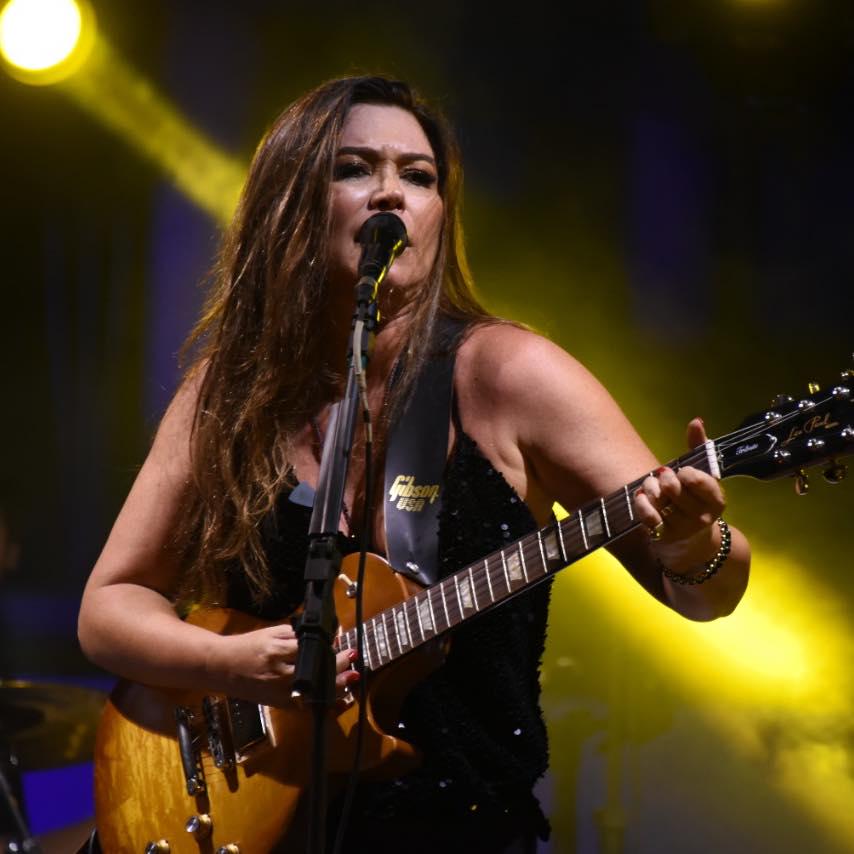
Luiz Carlos Sá

Pop
Latin Pop
Nova MPB
 Viberate Rank: 254370
 Viberate Rank: 254370
 Monthly ListenersFollowers
 Subscribers
 Followers
 Followers
 FansTop Spotify Songs
| Track | 7-Day Streams | |
|---|---|---|
1 | 3.49K | |
2 | 3.10K | |
3 | 2.87K | |
4 | 2.74K | |
5 | 401 |
Top YouTube VideosMonthly ListenersFeatured in Playlists| Playlist | Followers | |
|---|---|---|
1 |  MPB Antigas - As Melhores Musicalidade | 294.73K |
2 |  MODA DE VIOLA, CHURRASCO E PINGA 🥩🍻 Lucas Bo | 186.63K |
3 |  MPB - Só as Melhores Erick Souza | 158.43K |
4 |  Barzinho e violão - As melhores nacionais Nando Velas | 117.03K |
5 |  MPB - Anos 80/90/2000 Carlos Eduardo Truta | 63.69K |
Audience| City | Monthly Listeners | |
|---|---|---|
1 | | 4.94K |
2 | | 2.16K |
3 | | 2.13K |
4 | | 1.42K |
5 | | 1.20K |
See full performance history, audience data, playlist activity, rankings, comparisons, and more in Viberate music analytics. Start with a free trial, then continue with a paid plan.
Luiz Carlos Sá’s Spotify BioCantor, compositor e instrumentista nasceu em Vila Isabel, RJ. Começou sua carreira profissional em 1965, tendo suas primeiras músicas gravadas por Pery Ribeiro, Luhli, Nara Leão, MPB4, Milton Banana Trio e outros. No ano seguinte fez sua estreia nos palcos, participando do musical “Samba Pede Passagem”, do Grupo Opinião, ao lado de Sidney Miller, Paulo Thiago, Sonia Ferreira (hoje no Quarteto em Cy), Baden Powell, Aracy de Almeida, Ismael Silva e outros ícones do samba de raiz. Depois de concorrer a alguns festivais, gravar seu primeiro compacto (“Inaiá” e “Canto do Quilombo”) pela RCA e ter várias músicas incluídas em trilhas de novelas, forma em 1972 com Zé Rodrix e Guarabyra o trio Sá, Rodrix & Guarabyra – que seguiu em dupla, a partir de 1974, após a saída de Rodrix (que depois voltou de 2001 a 2009) emplacando dezenas de sucessos como “Primeira Canção da Estrada”, “O Pó da Estrada”, “Hoje Ainda é Dia de Rock”, “Mestre Jonas”, “Sobradinho” e “Espanhola”. Alguns dos sucessos da… dupla foram em novelas referenciais da TV brasileira, como “Roque Santeiro” - com as músicas “Roque Santeiro”, “Verdades e Mentiras” e “Dona” - e “Pantanal”, que teve “Estrela Natureza”. Fundindo a música brasileira interiorana com influências do folk rock, Sá & Guarabyra – que continuam em plena atividade - forjaram uma maneira de compor, tocar e cantar que a crítica especializada batizou de “rock rural”. Sá tem cerca de 400 músicas gravadas por alguns dos principais intérpretes da MPB.
Viberate is a music analytics platform built for A&Rs, artist managers, labels, booking agents, marketers, and artists.
It helps music professionals track artist growth, analyze audience data, monitor playlist activity, compare artists, follow song performance, and identify opportunities across the music market.
Public artist pages provide a free preview of selected artist data. Paid plans provide access to deeper analytics, historical data, charts, comparisons, playlist tools, exports, alerts, reports, and additional professional features.
Yes. Public Viberate artist pages provide selected artist analytics and music data for free.
Viberate also offers a 7-day free trial of the full platform. A credit card is required to start the trial. The trial includes access to the complete product so users can test deeper artist analytics, historical views, playlist insights, comparisons, charts, exports, alerts, and reporting features before choosing a paid plan.
Viberate provides artist analytics across streaming, playlists, social media, video, radio airplay, songs, and audience markets.
Users can analyze Spotify performance, Spotify and Apple Music playlists, YouTube activity, TikTok and Instagram growth, radio spins, song performance, audience locations, demographics, rankings, and overall artist momentum.
Artist profiles also connect to music charts, similar artists, and comparison tools, helping users benchmark performance and evaluate artists in context.
Viberate updates key artist and track data daily.
For followed artists and tracks, selected data is refreshed multiple times per day. This helps teams monitor playlist changes, streaming movement, audience growth, releases, and campaign performance with more current data.
Update frequency can vary depending on the metric and data source.
Yes. Viberate lets users compare up to five artists side by side across streaming, social media, audience, and engagement metrics.
Users can compare fanbase growth, audience demographics, locations, Spotify performance, social metrics, and other artist data over selected time periods.
Artist comparison can be used for A&R scouting, benchmarking, booking decisions, campaign planning, and evaluating artists with similar audiences or market positions.