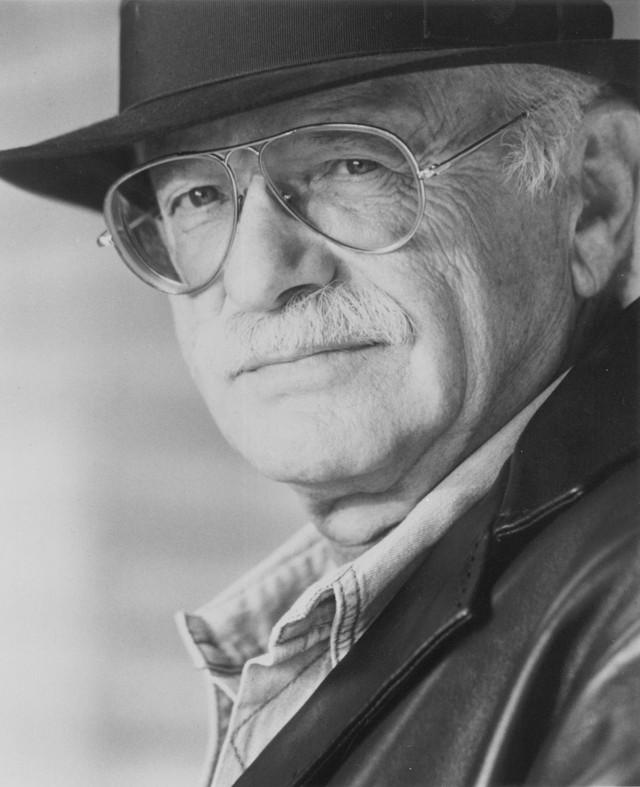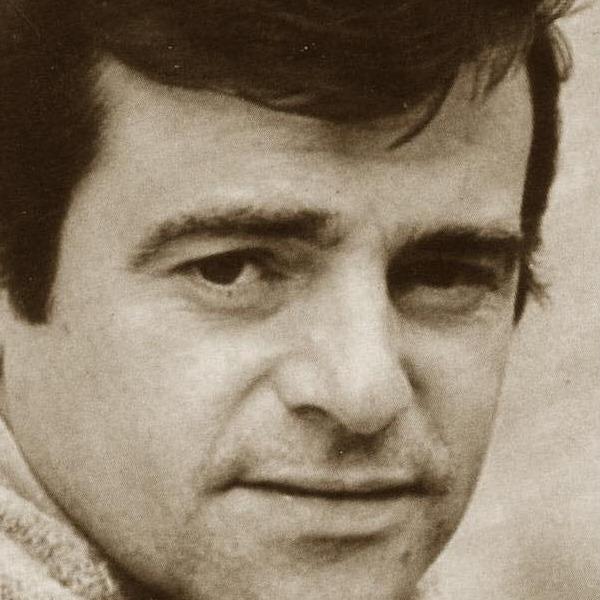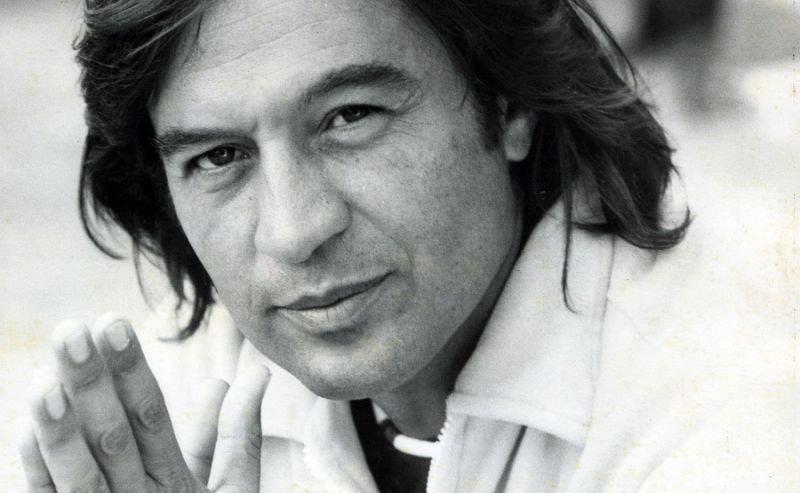
Luigi Tenco

Pop
Mainstream Pop
 Viberate Rank: 87296
 Viberate Rank: 87296
 Monthly ListenersFollowers
 Subscribers
 Followers
 Followers
 FansTop Spotify Songs
| Track | 7-Day Streams | |
|---|---|---|
1 | 70.96K | |
2 | 24.16K | |
3 | 16.30K | |
4 | 15.71K | |
5 | 4.64K |
Top YouTube VideosMonthly ListenersFeatured in Playlists| Playlist | Followers | |
|---|---|---|
1 |  The Perfect Italian Dinner Spotify | 494.09K |
2 |  Cantautorato Italiano Spotify | 463.40K |
3 |  Anni 60 Spotify | 110.33K |
4 | CANCIONES ITALIANAS FAMOSAS Franco Marinelli | 109.20K |
5 |  Sanremo: La Storia Spotify | 102.97K |
Audience| City | Monthly Listeners | |
|---|---|---|
1 | | 18.25K |
2 | | 12.30K |
3 | | 6.96K |
4 | | 6.54K |
5 | | 5.96K |
See full performance history, audience data, playlist activity, rankings, comparisons, and more in Viberate music analytics. Start with a free trial, then continue with a paid plan.
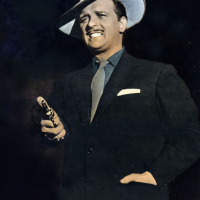
Luigi Tenco’s Spotify BioLuigi Tenco is doubtless one of the most tragic and misunderstood figures in the history of Italian pop music. Largely ignored -- when not openly criticized -- during his life, after his suicide he became the object of a posthumous cult that transformed him into an icon of despair and angst. He became a symbol of love and desperation deeply rooted in his own time but also universal, despite the fact that his desperate love ballads and Sartre-tinged ennui were only two facets of his complex artistic personality, which at times was ironic and socially aware as well.
Born in the small village of Cassine (near Alessandria) on March 21, 1938, Tenco soon moved with his family to Genoa, where he befriended future singer/songwriters such as Bruno Lauzi, Gino Paoli, and Fabrizio De André. After having played saxophone on an Adriano Celentano German tour thanks to the help of his friend Gianfranco Reverberi, in 1958 Tenco signed with Ricordi, releasing some singles during the following years --… often with the pseudonyms of Gigi Mai, Dick Ventuno, or Gordon Cliff. Having abandoned all those aliases, between 1961 and 1962 Tenco released additional singles -- "Quando," "Il Mio Regno," and "Come le Altre" -- and 1962's Luigi Tenco album, including "Angela" and "Mi Sono Innamorato di Te," which would later become classics. In 1962 he also acted in Luigi Comencini's La Cuccagna. In 1963 his last single for Ricordi, featuring the songs "Io Sì" and "Una Brava Ragazza," was censored because of its explicit lyrics. In 1964 he signed with Jolly and released the socially aware single "Ragazzo Mio," followed one year later by his second album, once again simply titled Luigi Tenco, whose highlights included "Vedrai, Vedrai" and "Ho Capito Che Ti Amo."
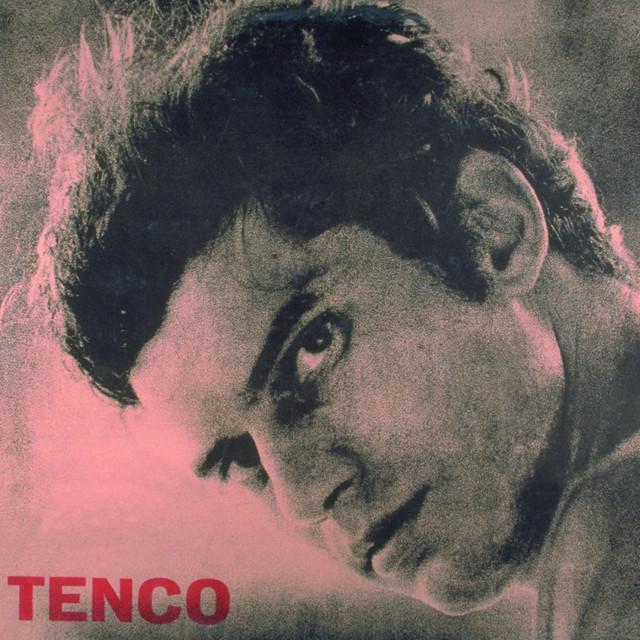
Having moved to Rome, in 1966 he signed with RCA and took part in that year's edition of Un Disco per l'Estate with "Lontano Lontano," finishing last. The song was later included, along with "Un Giorno Dopo l'Altro" and a new version of "Vedrai, Vedrai," on the album Tenco. In February 1967 he participated, along with then-girlfriend the Italo-French singer Dalida, in the Sanremo Music Festival, but their song, "Ciao Amore, Ciao," did not make it to the finals. The following morning, February 27, Dalida found Tenco's dead body in his hotel room, after he had shot himself. His presumed suicide -- presumed, because many claim there were too many mysterious elements involved -- turned Luigi Tenco into a legend, a tragic and sensitive figure who has since been the subject of studies, tributes, and many posthumous releases. ~ Aurelio Pasini, Rovi
Viberate is a music analytics platform built for A&Rs, artist managers, labels, booking agents, marketers, and artists.
It helps music professionals track artist growth, analyze audience data, monitor playlist activity, compare artists, follow song performance, and identify opportunities across the music market.
Public artist pages provide a free preview of selected artist data. Paid plans provide access to deeper analytics, historical data, charts, comparisons, playlist tools, exports, alerts, reports, and additional professional features.
Yes. Public Viberate artist pages provide selected artist analytics and music data for free.
Viberate also offers a 7-day free trial of the full platform. A credit card is required to start the trial. The trial includes access to the complete product so users can test deeper artist analytics, historical views, playlist insights, comparisons, charts, exports, alerts, and reporting features before choosing a paid plan.
Viberate provides artist analytics across streaming, playlists, social media, video, radio airplay, songs, and audience markets.
Users can analyze Spotify performance, Spotify and Apple Music playlists, YouTube activity, TikTok and Instagram growth, radio spins, song performance, audience locations, demographics, rankings, and overall artist momentum.
Artist profiles also connect to music charts, similar artists, and comparison tools, helping users benchmark performance and evaluate artists in context.
Viberate updates key artist and track data daily.
For followed artists and tracks, selected data is refreshed multiple times per day. This helps teams monitor playlist changes, streaming movement, audience growth, releases, and campaign performance with more current data.
Update frequency can vary depending on the metric and data source.
Yes. Viberate lets users compare up to five artists side by side across streaming, social media, audience, and engagement metrics.
Users can compare fanbase growth, audience demographics, locations, Spotify performance, social metrics, and other artist data over selected time periods.
Artist comparison can be used for A&R scouting, benchmarking, booking decisions, campaign planning, and evaluating artists with similar audiences or market positions.