Lucas Blondeel

Classical
Classical Crossover
Chamber Music
 Viberate Rank: 320956
 Viberate Rank: 320956
 Monthly ListenersFollowers
 Subscribers
 Followers
 Followers
 FansTop Spotify SongsTop YouTube Videos
| Video | 7-Day Views | |
|---|---|---|
1 | 92 | |
2 | 40 | |
3 | 39 | |
4 | 37 | |
5 | 32 |
Monthly ListenersFeatured in Playlists| Playlist | Followers | |
|---|---|---|
1 |  Focus Music - Work | Studying | Concentration Kroschi | 112.12K |
2 |  The Most Beautiful Piano Pieces Gabriel R. Quijas | 96.22K |
3 |  Música clásica para concentrarse Música Clásica Concentrarse | 48.03K |
4 |  Piano Classics: Top 100 Kroschi | 47.48K |
5 |  Piano Relax (Instrumental) fran.robert | 29.46K |
Audience| City | Monthly Listeners | |
|---|---|---|
1 |  | 526 |
2 |  | 415 |
3 |  | 383 |
4 |  | 358 |
5 |  | 338 |
See full performance history, audience data, playlist activity, rankings, comparisons, and more in Viberate music analytics. Start with a free trial, then continue with a paid plan.
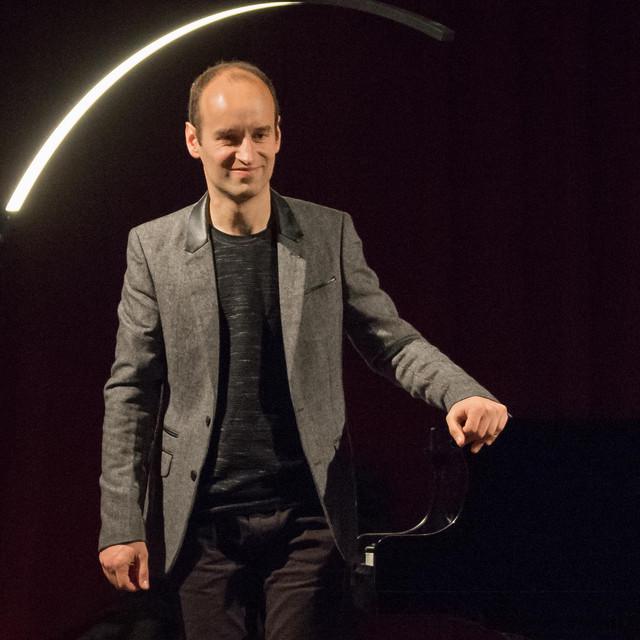
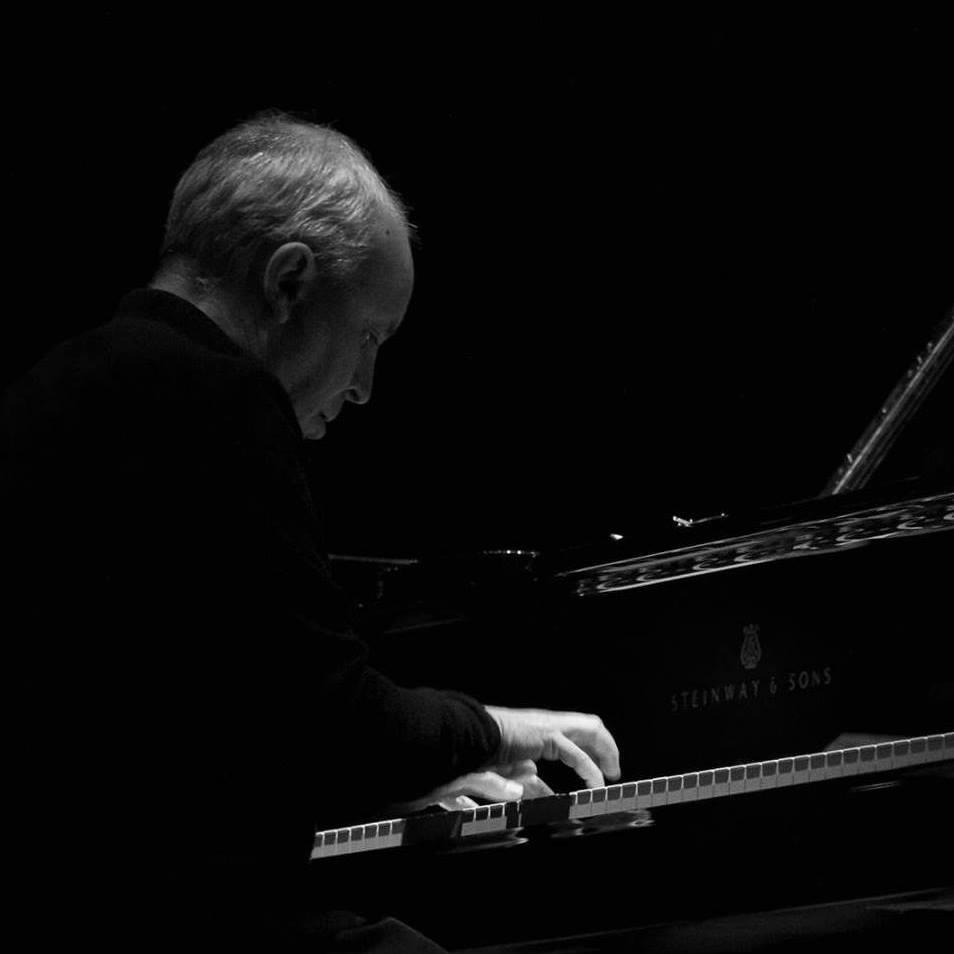
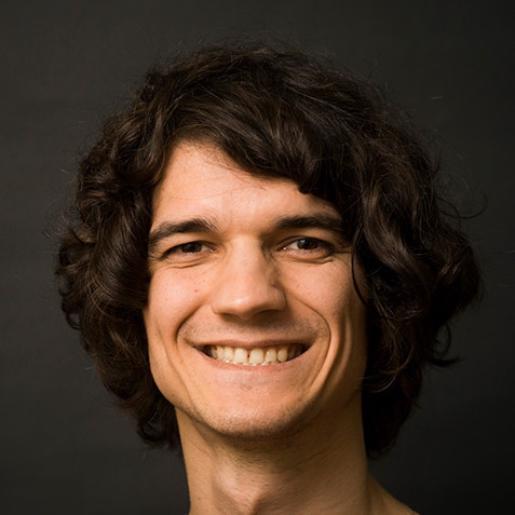
Lucas Blondeel’s Spotify Bio„Lucas Blondeel is the brilliant soloist, injecting the keyboard part with just the right amount of expressive freedom“ BBC Music Magazine 1/2020
At only four years of age, Lucas Blondeel began to make music on an early 19th century fortepiano that stood for sale in his parent's art gallery. He studied with Professor Klaus Hellwig at the Universität der Künste in Berlin where he graduated with the Konzertexamen. He spent many years studying historical performance and fortepiano with Jos Van Immerseel, Bart Van Oort and Malcolm Bilson and performs on historical as well as on modern instruments.
Lucas Blondeel won prizes in international competition in Antwerp, Geneva, Zurich, Berlin and Cincinnati and performed in most European countries, the United States, China, Japan and Singapore. His concerts and recordings are broadcasted regularly by Klara, Musiq3, NL4, France Musique, HR2, Bayern4, SWR2, RBB, BBC3…
From 2012 to 2019, he taught a piano and fortepiano class at the Akademie für… Tonkunst in Darmstadt. He gives regular masterclasses in Belgium, the Netherlands, Germany, Hungary, China and Italy. In April 2018 he was appointed professor for piano and fortepiano at the Universität der Künste Berlin.
Viberate is a music analytics platform built for A&Rs, artist managers, labels, booking agents, marketers, and artists.
It helps music professionals track artist growth, analyze audience data, monitor playlist activity, compare artists, follow song performance, and identify opportunities across the music market.
Public artist pages provide a free preview of selected artist data. Paid plans provide access to deeper analytics, historical data, charts, comparisons, playlist tools, exports, alerts, reports, and additional professional features.
Yes. Public Viberate artist pages provide selected artist analytics and music data for free.
Viberate also offers a 7-day free trial of the full platform. A credit card is required to start the trial. The trial includes access to the complete product so users can test deeper artist analytics, historical views, playlist insights, comparisons, charts, exports, alerts, and reporting features before choosing a paid plan.
Viberate provides artist analytics across streaming, playlists, social media, video, radio airplay, songs, and audience markets.
Users can analyze Spotify performance, Spotify and Apple Music playlists, YouTube activity, TikTok and Instagram growth, radio spins, song performance, audience locations, demographics, rankings, and overall artist momentum.
Artist profiles also connect to music charts, similar artists, and comparison tools, helping users benchmark performance and evaluate artists in context.
Viberate updates key artist and track data daily.
For followed artists and tracks, selected data is refreshed multiple times per day. This helps teams monitor playlist changes, streaming movement, audience growth, releases, and campaign performance with more current data.
Update frequency can vary depending on the metric and data source.
Yes. Viberate lets users compare up to five artists side by side across streaming, social media, audience, and engagement metrics.
Users can compare fanbase growth, audience demographics, locations, Spotify performance, social metrics, and other artist data over selected time periods.
Artist comparison can be used for A&R scouting, benchmarking, booking decisions, campaign planning, and evaluating artists with similar audiences or market positions.