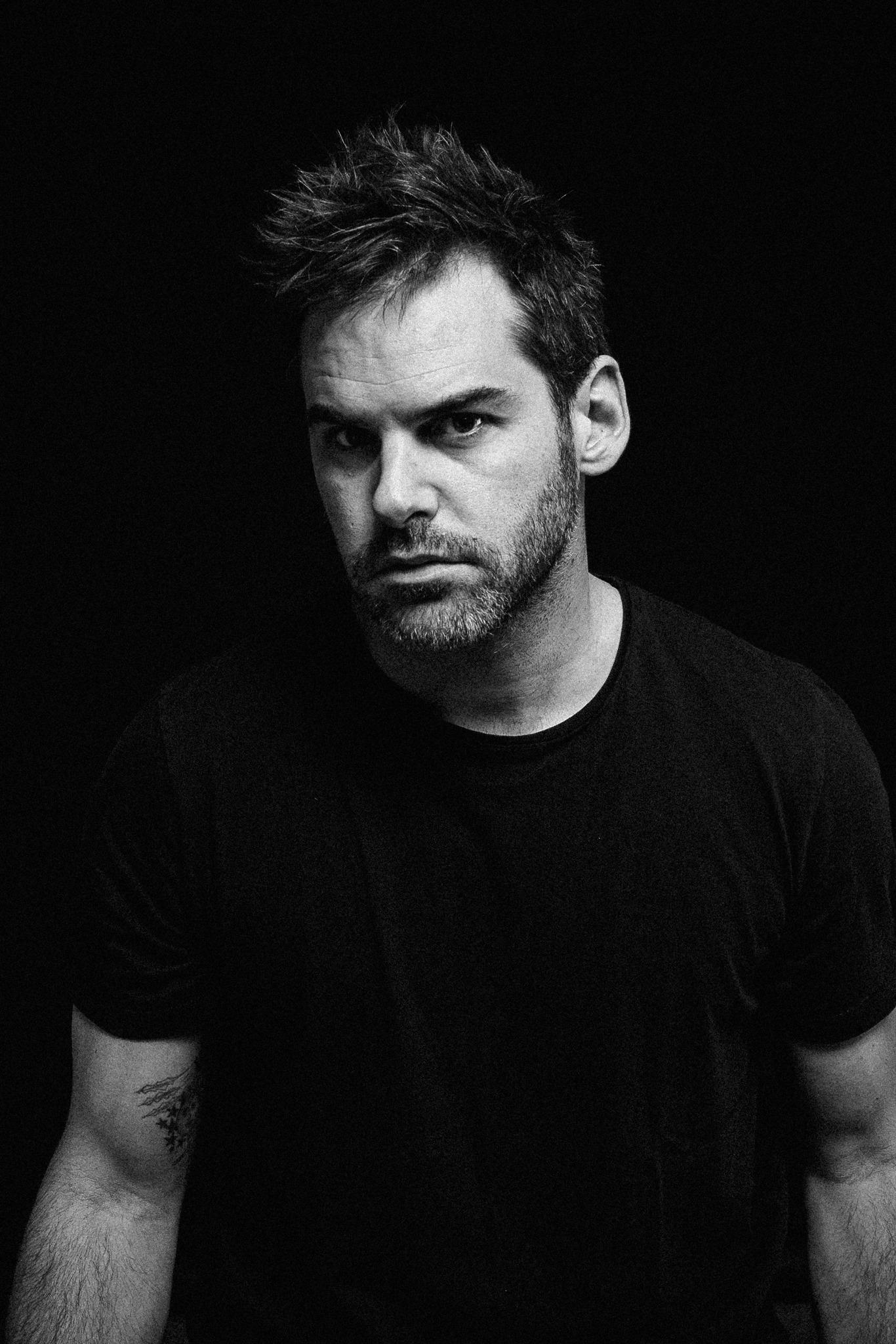
Luca Vanelli

Electronic
House
Dance
 Viberate Rank: 520238
 Viberate Rank: 520238
 Monthly ListenersFollowers
 Subscribers
 Followers
 Followers
 FansTop Spotify Songs
| Track | 7-Day Streams | |
|---|---|---|
1 | 327 | |
2 | 327 | |
3 | 177 | |
4 | 172 | |
5 | 166 |
Top YouTube VideosMonthly ListenersFeatured in Playlists| Playlist | Followers | |
|---|---|---|
1 |  My Afro house playlist Yellow Productions @Bob Sinclar | 13.75K |
2 |  House Is Our Sanctuary Chris | 1.90K |
3 |  Gazzz696 Mirror.FM | 1.60K |
4 |  The Sound of Funky Tech House The Sounds of Spotify | 1.40K |
5 |  New Yorker Fashion Store Music kenny | 1.02K |
Audience| City | Monthly Listeners | |
|---|---|---|
1 |  | 15 |
2 | | 13 |
3 |  | 12 |
4 | | 10 |
5 |  | 10 |
See full performance history, audience data, playlist activity, rankings, comparisons, and more in Viberate music analytics. Start with a free trial, then continue with a paid plan.
Luca Vanelli’s Spotify BioLuca Vanelli was born in 1982 in Vicenza near Venice, Italy. His passion for music started early when he would play with his father’s turntables every day and make mixed tapes with a cassette player. He taught himself how to DJ at home as a teenager and was soon DJing in local bars and clubs. By 2005, Luca was producing house music and releasing his first tracks with Purple Music, Rule5, Mind the Gap, Karmic Power Records and Sensorama Records. Over the next few years, Luca honed his skills as a DJ playing increasingly large venues all over northern Italy. He founded ‘Damn! It’s Funk’ in 2012 with friend Daniele ‘Sexxx’ Sesso, a collaboration bringing together jazz, funk and house music. Luca moved to London in 2013 to start a new career and continued DJing sporadically over the next few years. By 2018, he had built a new home studio and started producing house music again. Currently Luca is working with Castaman, together they are working with these following record labels: ‘In it… together’, 'Jackies Music Records', ‘Big Speakers Music’, 'PP Music', ‘Kokolores Records’, ’Karmic Power Records’, ‘Marin Music’, ‘Juicy Music.
Viberate is a music analytics platform built for A&Rs, artist managers, labels, booking agents, marketers, and artists.
It helps music professionals track artist growth, analyze audience data, monitor playlist activity, compare artists, follow song performance, and identify opportunities across the music market.
Public artist pages provide a free preview of selected artist data. Paid plans provide access to deeper analytics, historical data, charts, comparisons, playlist tools, exports, alerts, reports, and additional professional features.
Yes. Public Viberate artist pages provide selected artist analytics and music data for free.
Viberate also offers a 7-day free trial of the full platform. A credit card is required to start the trial. The trial includes access to the complete product so users can test deeper artist analytics, historical views, playlist insights, comparisons, charts, exports, alerts, and reporting features before choosing a paid plan.
Viberate provides artist analytics across streaming, playlists, social media, video, radio airplay, songs, and audience markets.
Users can analyze Spotify performance, Spotify and Apple Music playlists, YouTube activity, TikTok and Instagram growth, radio spins, song performance, audience locations, demographics, rankings, and overall artist momentum.
Artist profiles also connect to music charts, similar artists, and comparison tools, helping users benchmark performance and evaluate artists in context.
Viberate updates key artist and track data daily.
For followed artists and tracks, selected data is refreshed multiple times per day. This helps teams monitor playlist changes, streaming movement, audience growth, releases, and campaign performance with more current data.
Update frequency can vary depending on the metric and data source.
Yes. Viberate lets users compare up to five artists side by side across streaming, social media, audience, and engagement metrics.
Users can compare fanbase growth, audience demographics, locations, Spotify performance, social metrics, and other artist data over selected time periods.
Artist comparison can be used for A&R scouting, benchmarking, booking decisions, campaign planning, and evaluating artists with similar audiences or market positions.