Luca Aquino

Jazz
Smooth Jazz
Jazz Fusion
 Viberate Rank: 262693
 Viberate Rank: 262693
 Monthly ListenersFollowers
 Subscribers
 Followers
 Followers
 FansTop Spotify Songs
| Track | 7-Day Streams | |
|---|---|---|
1 | 454 | |
2 | 354 | |
3 | 336 | |
4 | 214 | |
5 | 144 |
Top YouTube VideosMonthly ListenersFeatured in Playlists| Playlist | Followers | |
|---|---|---|
1 |  High Quality Audiophile Music Jujubegamer | 20.18K |
2 | Soft Jazz and Blues... or just melting gita1503 | 19.48K |
3 |  Hi-Fi & Audiophile | Best Quality Audiophile Records The Odyofil | 15.18K |
4 |  FIP Radio (en live) Matthou | 13.31K |
5 |  CONTEMPORARY JAZZ selected-by-guerino | 7.87K |
Audience| City | Monthly Listeners | |
|---|---|---|
1 | | 101 |
2 | | 71 |
3 |  | 58 |
4 | | 46 |
5 |  | 41 |
See full performance history, audience data, playlist activity, rankings, comparisons, and more in Viberate music analytics. Start with a free trial, then continue with a paid plan.
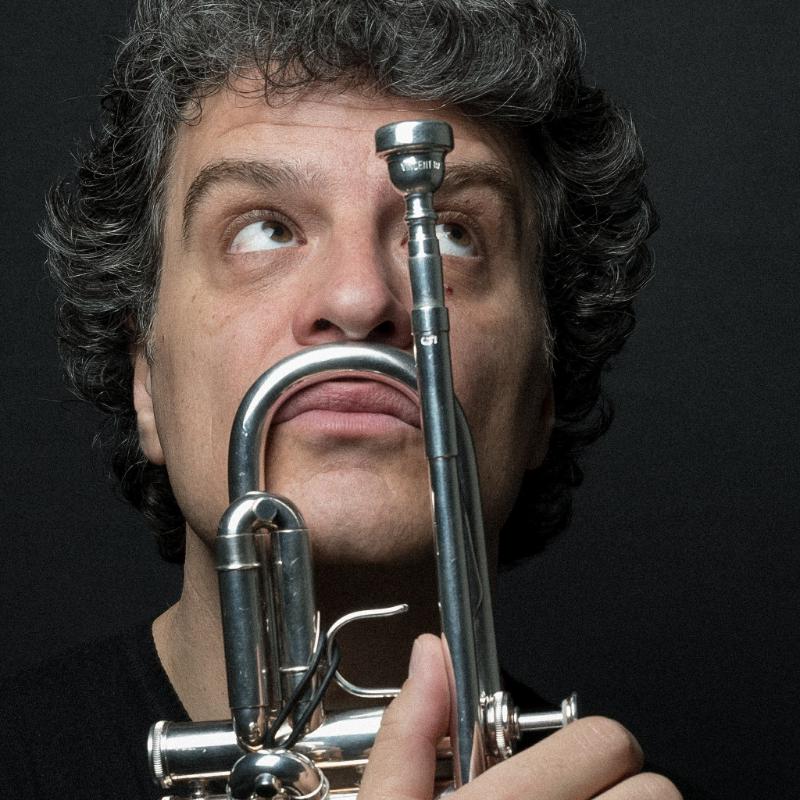
Luca Aquino’s Spotify BioLuca Aquino (Benevento, Italy, June 1, 1974)
Luca Aquino is one of the most talented Italian trumpet players, known for innovative proposals and for his unique trumpet sound. Born in the town of Benevento, in Southern Italy, he was mainly self-taught when he began to play the trumpet at the age of nineteen. In 2007 Universal Music published his first album as a leader, Sopra Le Nuvole; and a year later he recorded Lunaria, with guest Roy Hargrove, for which he won the "Top Jazz" award. In 2009, he recorded in the ancient Turkish bath of Skopje (Macedonia) Amam, then "TSC "in a church in the Netherlands. In 2010, he recorded Icaro Solo" a project for solo trumpet and electronics, in a church in Benevento. After creating the festival Riverberi, he initiated collaborations with musicians and artists; including Mimmo Paladino that led to the registration of Chiaro, an album in trio with a Norwegian rhythm section, featuring Lucio Dalla as a special guest. In 2012, after a major live project… with Jon Hassell, he joined the quartet of the percussionist Manu Katché and recorded two albums with them. In 2013 he recorded aQustico and embarked with him on a world tour. 2015 is the year of his seventh album as bandleader: "OverDOORS", a personal tribute to The Doors.
On April 7th 2016 he took part in the event " Manu & Friends " sharing the stage of the Olympia in Paris with Sting. Places and stories are the core of some of his best projects such as Riverberi.
Viberate is a music analytics platform built for A&Rs, artist managers, labels, booking agents, marketers, and artists.
It helps music professionals track artist growth, analyze audience data, monitor playlist activity, compare artists, follow song performance, and identify opportunities across the music market.
Public artist pages provide a free preview of selected artist data. Paid plans provide access to deeper analytics, historical data, charts, comparisons, playlist tools, exports, alerts, reports, and additional professional features.
Yes. Public Viberate artist pages provide selected artist analytics and music data for free.
Viberate also offers a 7-day free trial of the full platform. A credit card is required to start the trial. The trial includes access to the complete product so users can test deeper artist analytics, historical views, playlist insights, comparisons, charts, exports, alerts, and reporting features before choosing a paid plan.
Viberate provides artist analytics across streaming, playlists, social media, video, radio airplay, songs, and audience markets.
Users can analyze Spotify performance, Spotify and Apple Music playlists, YouTube activity, TikTok and Instagram growth, radio spins, song performance, audience locations, demographics, rankings, and overall artist momentum.
Artist profiles also connect to music charts, similar artists, and comparison tools, helping users benchmark performance and evaluate artists in context.
Viberate updates key artist and track data daily.
For followed artists and tracks, selected data is refreshed multiple times per day. This helps teams monitor playlist changes, streaming movement, audience growth, releases, and campaign performance with more current data.
Update frequency can vary depending on the metric and data source.
Yes. Viberate lets users compare up to five artists side by side across streaming, social media, audience, and engagement metrics.
Users can compare fanbase growth, audience demographics, locations, Spotify performance, social metrics, and other artist data over selected time periods.
Artist comparison can be used for A&R scouting, benchmarking, booking decisions, campaign planning, and evaluating artists with similar audiences or market positions.