Loya

Electronic
Dance
Other African Music
 Viberate Rank: 374606
 Viberate Rank: 374606
 Monthly ListenersFollowers
 Subscribers
 Followers
 Followers
 FansTop Spotify Songs
| Track | 7-Day Streams | |
|---|---|---|
1 | 108 | |
2 | 30 | |
3 | 22 | |
4 | 19 | |
5 | 14 |
Top YouTube VideosMonthly ListenersFeatured in Playlists| Playlist | Followers | |
|---|---|---|
1 |  playlist à l'arrache thomas | 12.44K |
2 |  Raji Rags NTS collection Raji Rags | 2.10K |
3 |  ARTE Tracks Pascal Mattwig | 1.76K |
4 |  Sega | Ile Maurice | Mauritius Aryven Arasen | 1.67K |
5 |  Afrique électronique sourdoreille | 1.36K |
Audience| City | Monthly Listeners | |
|---|---|---|
1 |  | 38 |
2 | | 16 |
3 | | 12 |
4 | | 11 |
5 | | 9 |
See full performance history, audience data, playlist activity, rankings, comparisons, and more in Viberate music analytics. Start with a free trial, then continue with a paid plan.
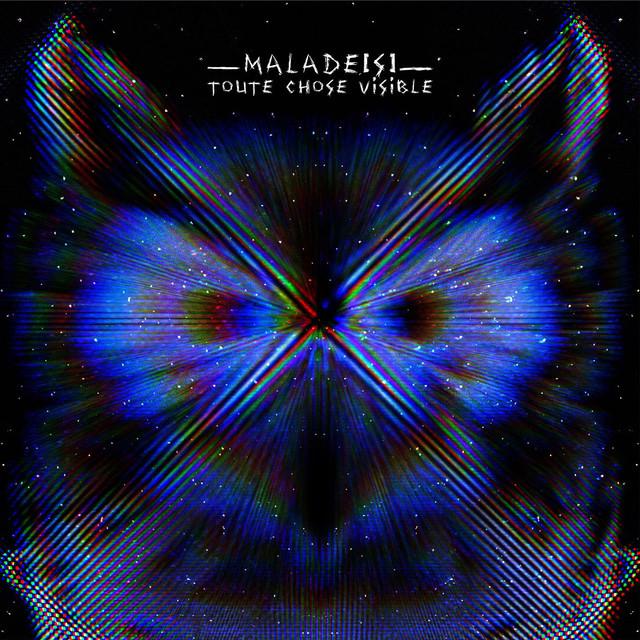
Loya’s Spotify BioLoya is a project by French producer Sébastien Lejeune, which allows him to research his own cultural heritage, as a native of La Réunion island, as well other tribes, bands and singers originating from the Indian Ocean.
Growing up in the great melting pot of La Reunion, Loya was exposed to a number of cultures and rhythms that fueled his curiosity. Walking in the footsteps of Ti Fock and other pioneers of electric maloya, he was quick to tap into the rough materials of his native island, from tamarind wood to corrugated iron, to bring out a myriad of sounds.
Settling in metropolitan France in the mid-90s, Loya’s first encounter with electronic music happened upon discovering acts such as Autechre, Plaid and Boards of Canada. Soon, Loya was drawing from Intelligent Dance Music and bleep techno to build complex rhythm arrangements and ethereal melodies. Throughout this research, Loya gradually managed to tame the erratic nature of his machines to summon states of trance that reminded him… of the music he grew up listening to as native of the Mascarene.
From this route through the meanders of contemporary electronic music, Loya developed a trademark sound based on triple time beats, pointillist sound design and a taste for experimentation. Such distinctive features can already be heard most notably on his second album “Corail”, released in 2018 on Paris-based record label Mawimbi.
Viberate is a music analytics platform built for A&Rs, artist managers, labels, booking agents, marketers, and artists.
It helps music professionals track artist growth, analyze audience data, monitor playlist activity, compare artists, follow song performance, and identify opportunities across the music market.
Public artist pages provide a free preview of selected artist data. Paid plans provide access to deeper analytics, historical data, charts, comparisons, playlist tools, exports, alerts, reports, and additional professional features.
Yes. Public Viberate artist pages provide selected artist analytics and music data for free.
Viberate also offers a 7-day free trial of the full platform. A credit card is required to start the trial. The trial includes access to the complete product so users can test deeper artist analytics, historical views, playlist insights, comparisons, charts, exports, alerts, and reporting features before choosing a paid plan.
Viberate provides artist analytics across streaming, playlists, social media, video, radio airplay, songs, and audience markets.
Users can analyze Spotify performance, Spotify and Apple Music playlists, YouTube activity, TikTok and Instagram growth, radio spins, song performance, audience locations, demographics, rankings, and overall artist momentum.
Artist profiles also connect to music charts, similar artists, and comparison tools, helping users benchmark performance and evaluate artists in context.
Viberate updates key artist and track data daily.
For followed artists and tracks, selected data is refreshed multiple times per day. This helps teams monitor playlist changes, streaming movement, audience growth, releases, and campaign performance with more current data.
Update frequency can vary depending on the metric and data source.
Yes. Viberate lets users compare up to five artists side by side across streaming, social media, audience, and engagement metrics.
Users can compare fanbase growth, audience demographics, locations, Spotify performance, social metrics, and other artist data over selected time periods.
Artist comparison can be used for A&R scouting, benchmarking, booking decisions, campaign planning, and evaluating artists with similar audiences or market positions.