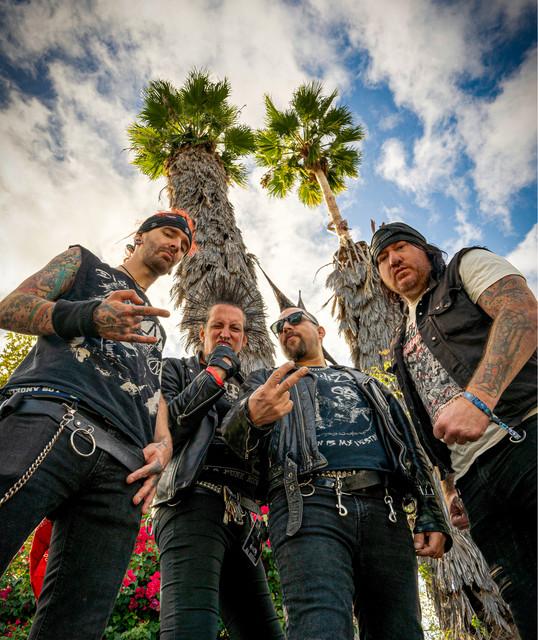
Lower Class Brats

Punk
Punk Rock
 Viberate Rank: 147915
 Viberate Rank: 147915
 Monthly ListenersFollowers
 Subscribers
 Followers
 Followers
 FansTop Spotify Songs
| Track | 7-Day Streams | |
|---|---|---|
1 | 1.93K | |
2 | 1.30K | |
3 | 742 | |
4 | 659 | |
5 | 530 |
Top YouTube VideosMonthly ListenersFeatured in Playlists| Playlist | Followers | |
|---|---|---|
1 |  Hardcore Punk Pure Noise Records | 77.03K |
2 |  A punk playlist but it’s actually good music •.Sal🎧↷∙. | 20.88K |
3 | Oi! & Punk 1500 songs Ollebolle | 15.32K |
4 |  Anti-Fascist Punk and Metal Damascus | 4.40K |
5 | Street Punk/Oi! Jack Bill Miller | 3.33K |
Audience| City | Monthly Listeners | |
|---|---|---|
1 | | 559 |
2 | | 167 |
3 | | 150 |
4 | | 145 |
5 | | 136 |
See full performance history, audience data, playlist activity, rankings, comparisons, and more in Viberate music analytics. Start with a free trial, then continue with a paid plan.
Lower Class Brats’ Spotify BioFormed in 1995 in Austin, Texas, Lower Class Brats set out to create music unlike anything else in their city. A mixture of Punk, Oi!, 70's Glam and straight ahead rock and roll merged with the theatric imagery of “A Clockwork Orange”. After six months of writing and rehearsals the band began to perform and released a demo cassette. A year later the bands first full length “Rather Be Hated Than Ignored” was released on GMM records and became the soundtrack for a fanbase now known as the “LCB Army”.
The recorded history of five full length LP’s, thirteen 7” ep’s and three different compilation LP’s under their belts. Provides testament to the bands reputation that they are a group that works as hard as they play. All while performing worldwide across the US, Canada, UK, Europe and Asia.
L.C.B. members Bones (vox) and Marty Volume (guitar) Ron Conflict (bass), Zed (guitar) and Nick Brat (drums) continue to record and perform after a 20 year history. Taking great care that every live show… is more than "just another gig" but a night for those in attendance to cut loose, forget their daily woes and sing, scream and shout along.
Be prepared if they come to your town to witness the spectacle. Consider yourself invited…. and warned.
Viberate is a music analytics platform built for A&Rs, artist managers, labels, booking agents, marketers, and artists.
It helps music professionals track artist growth, analyze audience data, monitor playlist activity, compare artists, follow song performance, and identify opportunities across the music market.
Public artist pages provide a free preview of selected artist data. Paid plans provide access to deeper analytics, historical data, charts, comparisons, playlist tools, exports, alerts, reports, and additional professional features.
Yes. Public Viberate artist pages provide selected artist analytics and music data for free.
Viberate also offers a 7-day free trial of the full platform. A credit card is required to start the trial. The trial includes access to the complete product so users can test deeper artist analytics, historical views, playlist insights, comparisons, charts, exports, alerts, and reporting features before choosing a paid plan.
Viberate provides artist analytics across streaming, playlists, social media, video, radio airplay, songs, and audience markets.
Users can analyze Spotify performance, Spotify and Apple Music playlists, YouTube activity, TikTok and Instagram growth, radio spins, song performance, audience locations, demographics, rankings, and overall artist momentum.
Artist profiles also connect to music charts, similar artists, and comparison tools, helping users benchmark performance and evaluate artists in context.
Viberate updates key artist and track data daily.
For followed artists and tracks, selected data is refreshed multiple times per day. This helps teams monitor playlist changes, streaming movement, audience growth, releases, and campaign performance with more current data.
Update frequency can vary depending on the metric and data source.
Yes. Viberate lets users compare up to five artists side by side across streaming, social media, audience, and engagement metrics.
Users can compare fanbase growth, audience demographics, locations, Spotify performance, social metrics, and other artist data over selected time periods.
Artist comparison can be used for A&R scouting, benchmarking, booking decisions, campaign planning, and evaluating artists with similar audiences or market positions.