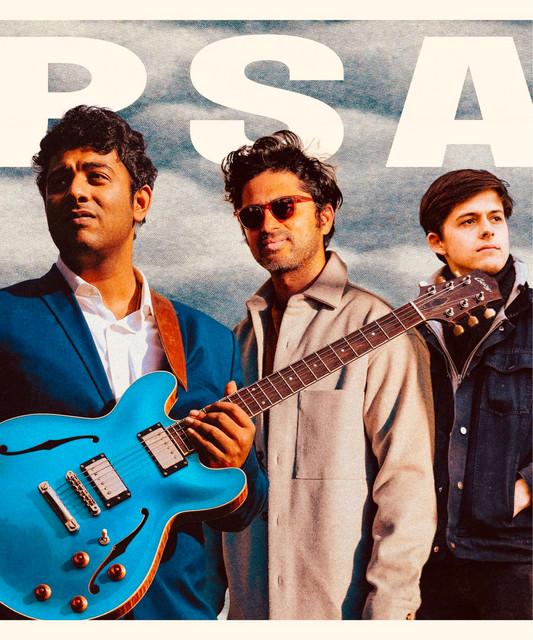
Low Poly Cactus

Jazz
Jazz Fusion
 Viberate Rank: 409113
 Viberate Rank: 409113
 Monthly ListenersFollowers
 Subscribers
 Followers
 Followers
 FansTop Spotify Songs
| Track | 7-Day Streams | |
|---|---|---|
1 | 38 | |
2 | 29 | |
3 | 20 | |
4 | 18 | |
5 | 7 |
Top YouTube Videos| Video | 7-Day Views | |
|---|---|---|
1 | 22 | |
2 | 6 | |
3 | 5 | |
4 | 5 | |
5 | 4 |
Monthly ListenersFeatured in Playlists| Playlist | Followers | |
|---|---|---|
1 |  Jazz Night: On The List NPR Music | 2.45K |
2 |  Jazz Revolution • Side Series Futura Modulans | 2.22K |
3 |  New Music Friday Archive Somewhere Soul | 1.92K |
Audience| City | Monthly Listeners | |
|---|---|---|
1 | | 7 |
2 | | 6 |
3 | | 5 |
4 | | 5 |
5 | | 5 |
See full performance history, audience data, playlist activity, rankings, comparisons, and more in Viberate music analytics. Start with a free trial, then continue with a paid plan.
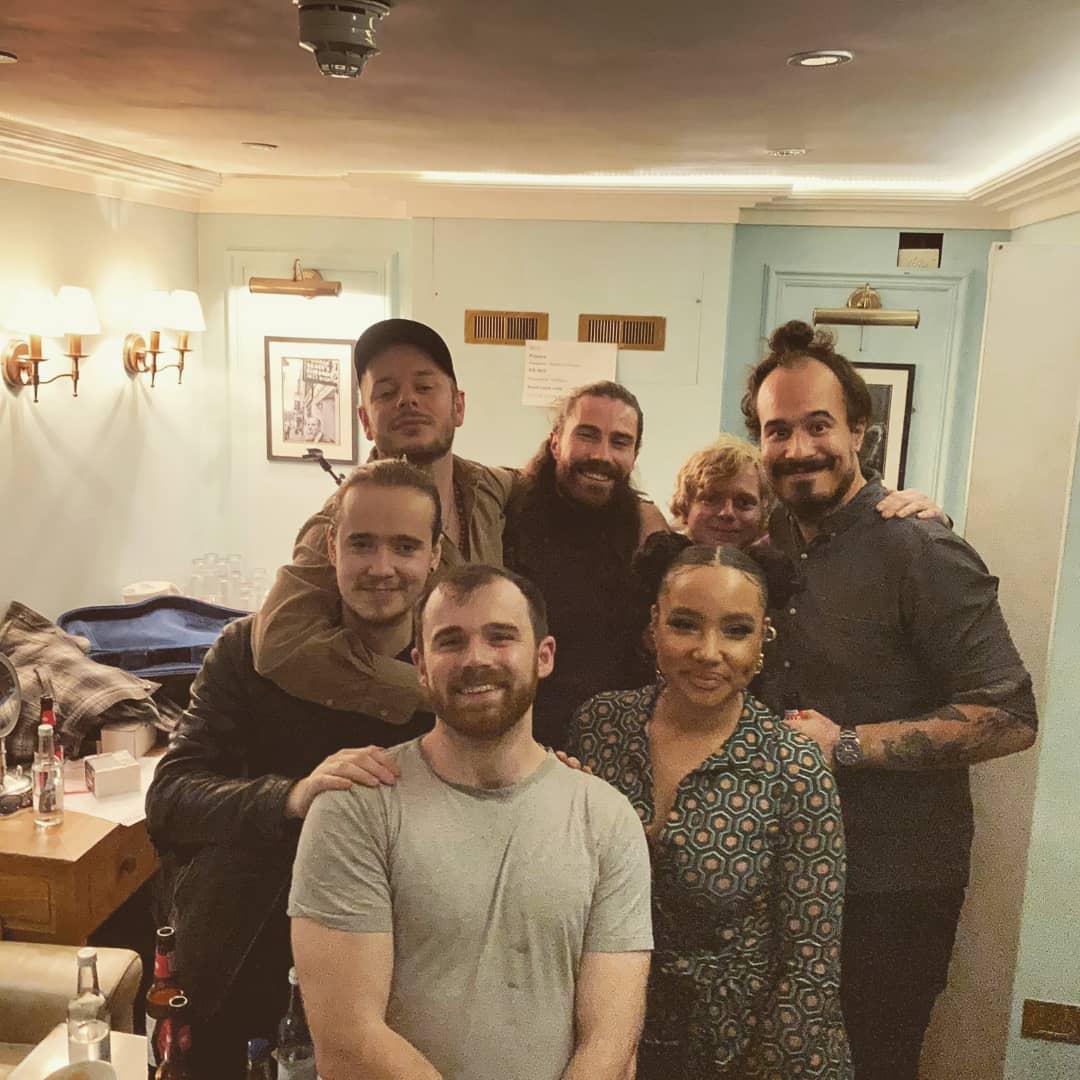
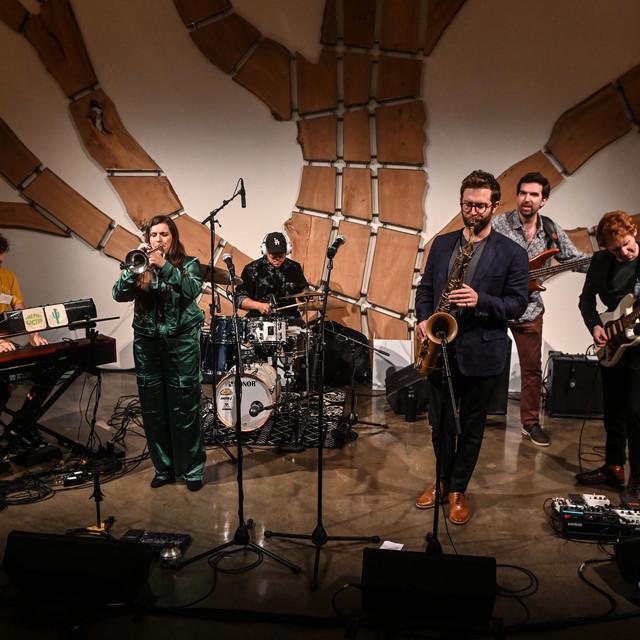
Low Poly Cactus’ Spotify BioHowdy, we're Low Poly Cactus, a Los Angeles Jazz-funk-fusion band. The six of us met at jams & gigs around town (and burning man)--we've stayed together for the funky friendship & overcooked memes.
Our debut album is dropping this fall with Birds of Paradise Records, all original music recorded live at LPC world headquarters. The band draws from 70s fusion super groups, Return to Forever, Headhunters, Casiopea, as well as modern influences like Snarky Puppy, Knower, Hiatus Kaiyote, and Phish. We're gettin skronky, fonky, and bebop bonky
The first gathering of the cactus crew was a release party for PRNDL (keys, producer) and Mahealane (trumpet, vocals)'s San Fernando Laser Tag album. The vibes were strong and grooves were deep, so we decided to keep the band going to play more of the duo's music and putting together new tunes as a band. Band members include: PRNDL, Mahealane, Michael Vokes (Guitar), Johnnie Gilmore (Bass), Nate Taitano (Drums) and Yuval Sorkin (Sax).
Viberate is a music analytics platform built for A&Rs, artist managers, labels, booking agents, marketers, and artists.
It helps music professionals track artist growth, analyze audience data, monitor playlist activity, compare artists, follow song performance, and identify opportunities across the music market.
Public artist pages provide a free preview of selected artist data. Paid plans provide access to deeper analytics, historical data, charts, comparisons, playlist tools, exports, alerts, reports, and additional professional features.
Yes. Public Viberate artist pages provide selected artist analytics and music data for free.
Viberate also offers a 7-day free trial of the full platform. A credit card is required to start the trial. The trial includes access to the complete product so users can test deeper artist analytics, historical views, playlist insights, comparisons, charts, exports, alerts, and reporting features before choosing a paid plan.
Viberate provides artist analytics across streaming, playlists, social media, video, radio airplay, songs, and audience markets.
Users can analyze Spotify performance, Spotify and Apple Music playlists, YouTube activity, TikTok and Instagram growth, radio spins, song performance, audience locations, demographics, rankings, and overall artist momentum.
Artist profiles also connect to music charts, similar artists, and comparison tools, helping users benchmark performance and evaluate artists in context.
Viberate updates key artist and track data daily.
For followed artists and tracks, selected data is refreshed multiple times per day. This helps teams monitor playlist changes, streaming movement, audience growth, releases, and campaign performance with more current data.
Update frequency can vary depending on the metric and data source.
Yes. Viberate lets users compare up to five artists side by side across streaming, social media, audience, and engagement metrics.
Users can compare fanbase growth, audience demographics, locations, Spotify performance, social metrics, and other artist data over selected time periods.
Artist comparison can be used for A&R scouting, benchmarking, booking decisions, campaign planning, and evaluating artists with similar audiences or market positions.