Love Spirals Downwards

Pop
Indie Pop
Dream Pop
 Viberate Rank: 87036
 Viberate Rank: 87036
 Monthly ListenersFollowers
 Subscribers
 Followers
 Followers
 FansTop Spotify Songs
| Track | 7-Day Streams | |
|---|---|---|
1 | 27.84K | |
2 | 11.73K | |
3 | 8.90K | |
4 | 8.77K | |
5 | 8.44K |
Top YouTube VideosMonthly ListenersFeatured in Playlists| Playlist | Followers | |
|---|---|---|
1 |  Oblique Spotify | 209.72K |
2 |  glasshouse hymns ⚢☁︎ kj ⋆✶☽ | 32.78K |
3 |  GOTH ULTIMATE LIST | DARK WAVE/POST-PUNK/GOTHIC ROCK/EBM/SYNTH/DEATH ROCK Annie Dark | 31.60K |
4 |  YEAR0001: SOUNDS YEAR0001 | 20.97K |
5 | NTS LIVE Sabri M. | 20.08K |
Audience| City | Monthly Listeners | |
|---|---|---|
1 | | 3.22K |
2 | | 2.39K |
3 |  | 2.13K |
4 |  | 1.96K |
5 | | 1.93K |
See full performance history, audience data, playlist activity, rankings, comparisons, and more in Viberate music analytics. Start with a free trial, then continue with a paid plan.
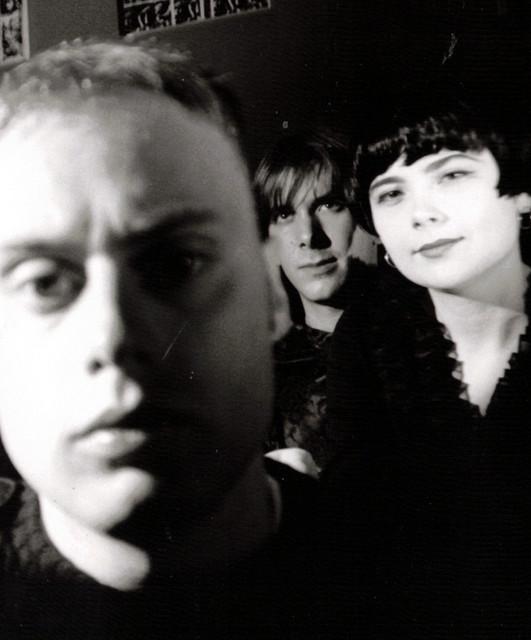
Love Spirals Downwards’ Spotify BioFor over three decades, Ryan Lum has been the creative force behind Love Spirals Downwards. A multi-instrumentalist, composer, engineer, and producer, Lum has crafted an ever-evolving body of music defined by ethereal dream pop soundscapes and electronics-driven atmospheres—consistently prioritizing mood, melody, and emotional depth.
Lum began home recording on 4-track, moving to 8-track by 1989. In 1992, the band launched on Projekt with vocalist Suzanne Perry. Early albums Idylls, Ardor, Ever, and Flux—featuring guest vocals from Jennifer Ryan Fuller and Kristen Perry—moved between instrumentals and vocal pieces, with the voice often functioning as texture, blurring the line between atmosphere and narrative.
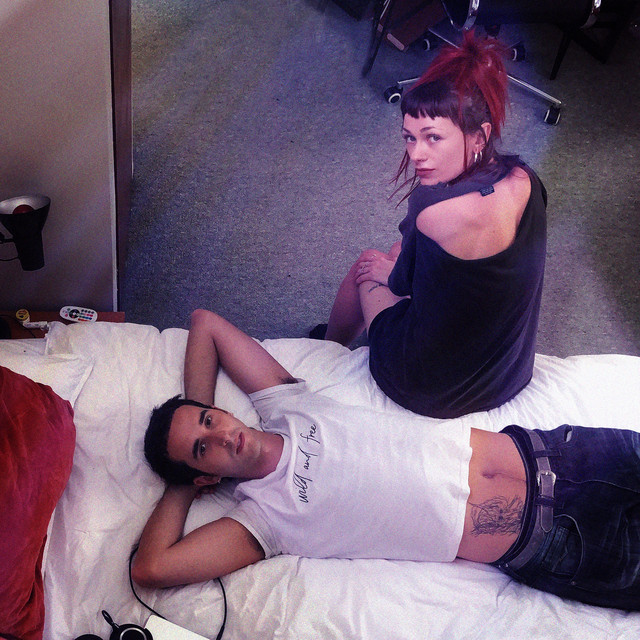
At the turn of the millennium, a remix collaboration with Anji Lum (née Anji Bee)—“Bittersweet (LSD Mix)” for Claire Voyant—grew into a central partnership. With her arrival, the project entered its digital recording era and embraced its longtime nickname, Lovespirals, marking a… new chapter. Anji brought her own songwriting identity as lyricist, vocalist, and co-producer, grounding the sound in narrative with a sensual, intimate vocal presence. In 2005, the duo launched Chillcuts and the podcast Chillin’ with Lovespirals.
In 2024 Lum returned to the full band name, Love Spirals Downwards. Across every era, the project remains rooted in hands-on recording and production, with its catalog preserved through remastering as its sound continues to evolve.
Viberate is a music analytics platform built for A&Rs, artist managers, labels, booking agents, marketers, and artists.
It helps music professionals track artist growth, analyze audience data, monitor playlist activity, compare artists, follow song performance, and identify opportunities across the music market.
Public artist pages provide a free preview of selected artist data. Paid plans provide access to deeper analytics, historical data, charts, comparisons, playlist tools, exports, alerts, reports, and additional professional features.
Yes. Public Viberate artist pages provide selected artist analytics and music data for free.
Viberate also offers a 7-day free trial of the full platform. A credit card is required to start the trial. The trial includes access to the complete product so users can test deeper artist analytics, historical views, playlist insights, comparisons, charts, exports, alerts, and reporting features before choosing a paid plan.
Viberate provides artist analytics across streaming, playlists, social media, video, radio airplay, songs, and audience markets.
Users can analyze Spotify performance, Spotify and Apple Music playlists, YouTube activity, TikTok and Instagram growth, radio spins, song performance, audience locations, demographics, rankings, and overall artist momentum.
Artist profiles also connect to music charts, similar artists, and comparison tools, helping users benchmark performance and evaluate artists in context.
Viberate updates key artist and track data daily.
For followed artists and tracks, selected data is refreshed multiple times per day. This helps teams monitor playlist changes, streaming movement, audience growth, releases, and campaign performance with more current data.
Update frequency can vary depending on the metric and data source.
Yes. Viberate lets users compare up to five artists side by side across streaming, social media, audience, and engagement metrics.
Users can compare fanbase growth, audience demographics, locations, Spotify performance, social metrics, and other artist data over selected time periods.
Artist comparison can be used for A&R scouting, benchmarking, booking decisions, campaign planning, and evaluating artists with similar audiences or market positions.