Love Is All

Rock
Indie Rock
Psychedelic Rock
 Viberate Rank: 340073
 Viberate Rank: 340073
 Monthly ListenersFollowers
 Subscribers
 Followers
 Followers
 FansTop Spotify Songs
| Track | 7-Day Streams | |
|---|---|---|
1 | 258 | |
2 | 240 | |
3 | 106 | |
4 | 77 | |
5 | 71 |
Top YouTube VideosMonthly ListenersFeatured in Playlists| Playlist | Followers | |
|---|---|---|
1 |  The 500 Best Songs of the 2000s Pitchfork | 29.95K |
2 | The Pitchfork 500 Per Steinar Nielsen | 14.66K |
3 |  This Was Indie Sleaze 2002-2008 Matthew Perpetua | 12.77K |
4 | Pitchfork Top 500 Songs of the 2000s Ben | 7.61K |
5 | Pitchfork 200 Best Songs of the 2000s Greg Schwartz | 7.23K |
Audience| City | Monthly Listeners | |
|---|---|---|
1 |  | 42 |
2 |  | 38 |
3 |  | 34 |
4 | | 32 |
5 | | 30 |
See full performance history, audience data, playlist activity, rankings, comparisons, and more in Viberate music analytics. Start with a free trial, then continue with a paid plan.
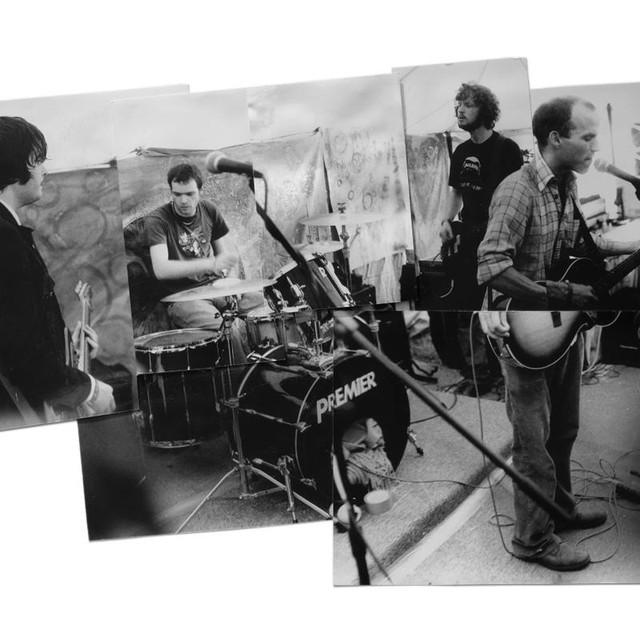
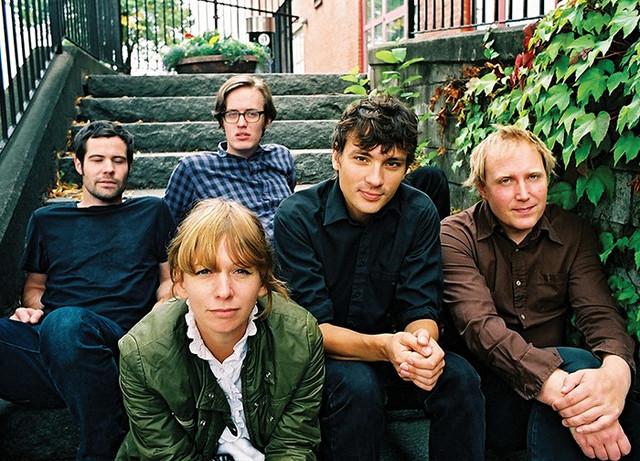
Love Is All’s Spotify BioSwedish band Love Is All are comprised of Josephine Olausson (vocals, keyboard), Johan Lindwall (bass), Markus Görsch (drums), Fredrik Eriksson (saxophone), and Nicholaus Sparding (guitar/vocals). Olausson, Sparding, and Görsch had previously been members of Girlfriendo. The trio promptly regrouped after that band's demise and added Lindwall, who had recorded in a side project with Olausson and Sparding called Cat Skills. They finally added the missing piece with saxophone player Fredrik Eriksson. While earning many rave reviews from the blogging community for its blend of art punk and indie rock, the band released several singles, one of which made single of the week in NME. The singles were collected on the debut LP Nine Times That Same Song, released by New York-based What's Your Rupture? in late 2005. After much touring through 2006 and 2007, Eriksson left the band and Love Is All continued on as a quartet. A Hundred Things That Keep Me Up at Night and the remix album Love Is All… Mixed Up arrived in 2008, along with Eriksson's replacement, Åke Strömer (saxophone, keyboards). The lineup stayed intact for the next record, Two Thousand and Ten Injuries, which was released on new label Polyvinyl in March of 2010. ~ Kenyon Hopkin, Rovi
Viberate is a music analytics platform built for A&Rs, artist managers, labels, booking agents, marketers, and artists.
It helps music professionals track artist growth, analyze audience data, monitor playlist activity, compare artists, follow song performance, and identify opportunities across the music market.
Public artist pages provide a free preview of selected artist data. Paid plans provide access to deeper analytics, historical data, charts, comparisons, playlist tools, exports, alerts, reports, and additional professional features.
Yes. Public Viberate artist pages provide selected artist analytics and music data for free.
Viberate also offers a 7-day free trial of the full platform. A credit card is required to start the trial. The trial includes access to the complete product so users can test deeper artist analytics, historical views, playlist insights, comparisons, charts, exports, alerts, and reporting features before choosing a paid plan.
Viberate provides artist analytics across streaming, playlists, social media, video, radio airplay, songs, and audience markets.
Users can analyze Spotify performance, Spotify and Apple Music playlists, YouTube activity, TikTok and Instagram growth, radio spins, song performance, audience locations, demographics, rankings, and overall artist momentum.
Artist profiles also connect to music charts, similar artists, and comparison tools, helping users benchmark performance and evaluate artists in context.
Viberate updates key artist and track data daily.
For followed artists and tracks, selected data is refreshed multiple times per day. This helps teams monitor playlist changes, streaming movement, audience growth, releases, and campaign performance with more current data.
Update frequency can vary depending on the metric and data source.
Yes. Viberate lets users compare up to five artists side by side across streaming, social media, audience, and engagement metrics.
Users can compare fanbase growth, audience demographics, locations, Spotify performance, social metrics, and other artist data over selected time periods.
Artist comparison can be used for A&R scouting, benchmarking, booking decisions, campaign planning, and evaluating artists with similar audiences or market positions.