Love Canon

Country
Americana/Alt Country
Bluegrass
 Viberate Rank: 189985
 Viberate Rank: 189985
 Monthly ListenersFollowers
 Subscribers
 Followers
 Followers
 FansTop Spotify Songs
| Track | 7-Day Streams | |
|---|---|---|
1 | 3.42K | |
2 | 3.13K | |
3 | 2.83K | |
4 | 2.71K | |
5 | 1.91K |
Top YouTube Videos| Video | 7-Day Views | |
|---|---|---|
1 | 47 | |
2 | 24 | |
3 | 16 | |
4 | 15 | |
5 | 14 |
Monthly ListenersFeatured in Playlists| Playlist | Followers | |
|---|---|---|
1 | Gerson Berrio | 51.62K |
2 | Skön bakgrundsmusik Elsa Gunnarson | 16.97K |
3 |  Music for Programming redconfetti | 8.52K |
4 |  Life's A Road Trip elisecook | 7.71K |
5 | frondome | 7.47K |
Audience| City | Monthly Listeners | |
|---|---|---|
1 | | 468 |
2 | | 468 |
3 | | 451 |
4 |  | 408 |
5 | | 401 |
See full performance history, audience data, playlist activity, rankings, comparisons, and more in Viberate music analytics. Start with a free trial, then continue with a paid plan.
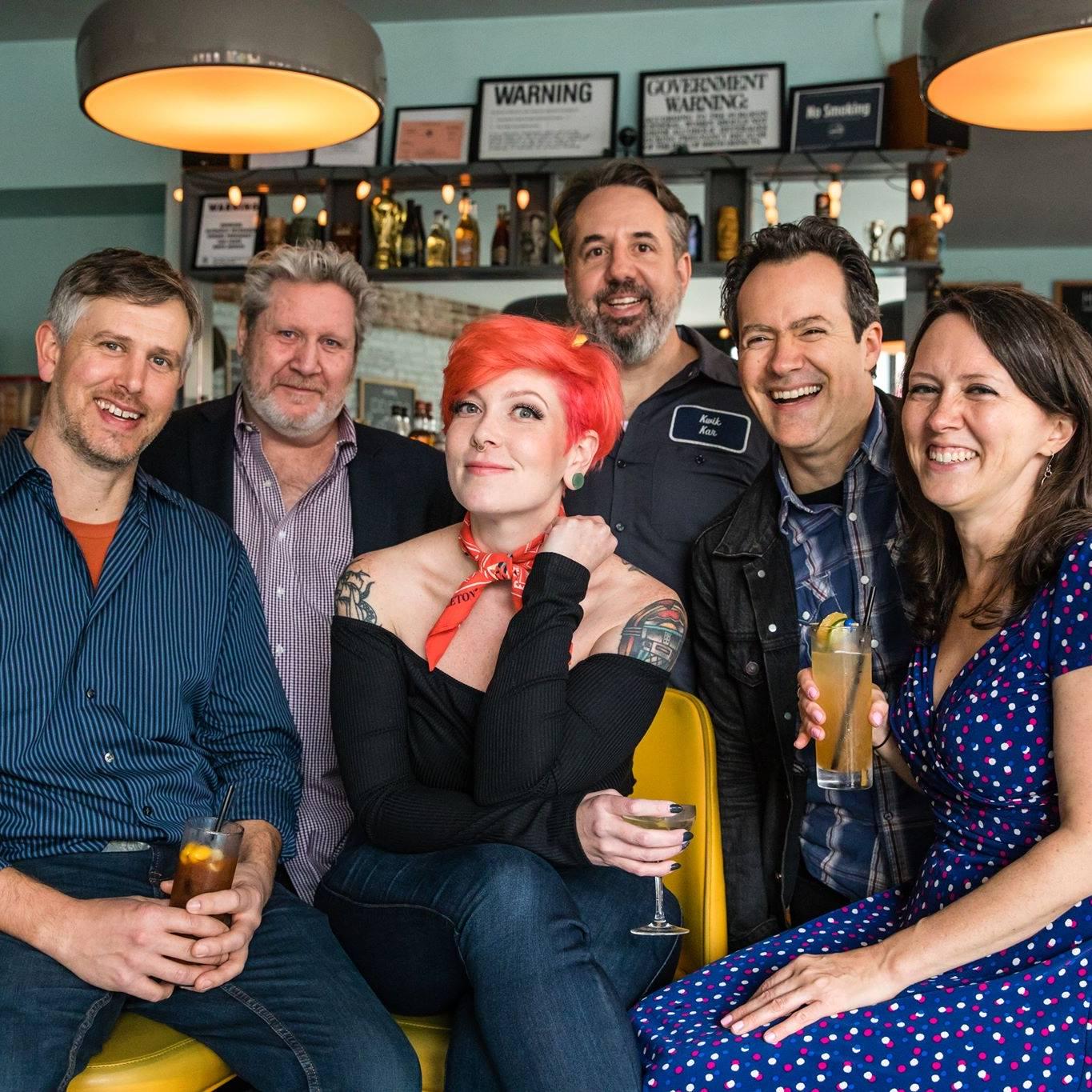
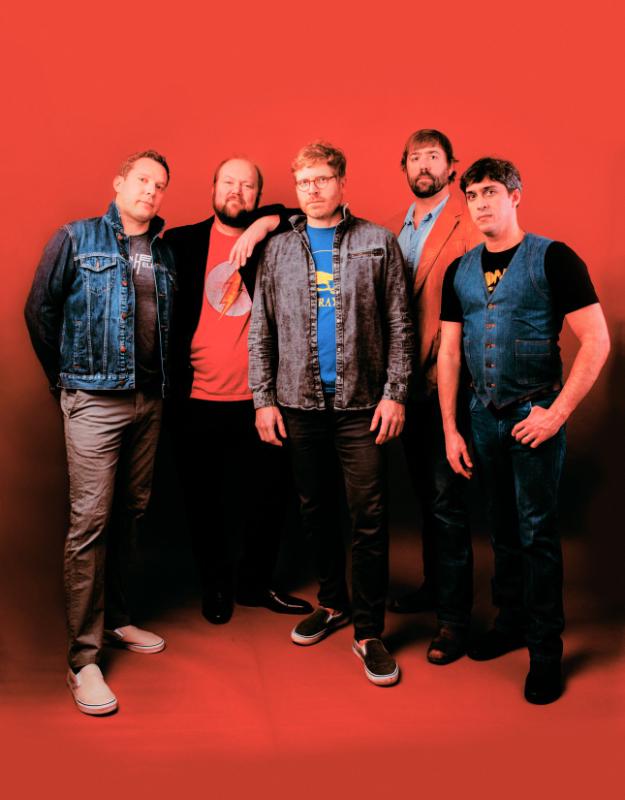
Love Canon’s Spotify BioFormed in the early 2010s, Virginia bluegrass outfit Love Canon rework '80s pop, rock, and new wave classics, often balancing playfulness and reverence. Their sophisticated arrangements and skilled performances have led to collaborations with the likes of Jerry Douglas and Aoife O'Donovan, both of whom were among the guests on the band's fourth LP, 2018's Cover Story: A Journey Through Music's Greatest Decade.
Love Canon was founded in Charlottesville by Jesse Harper (lead vocalist/guitarist), Adam Larrabee (banjo/vocals), Andy Thacker (mandolin/vocals), Darrell Muller (bass/vocals), Jay Starling (dobro), and Nate Leath (fiddle). Their first recording, Greatest Hits, Vol. 1, featured bluegrass versions of favorite '80s tunes including Toto's "Africa," Human League's "Don't You Want Me," and ZZ Top's "Legs." Released in March 2012, it was followed by Greatest Hits, Vol. 2 before the end of the year. The second set took on Peter Gabriel, Devo, and the Police, among others. Love Canon… returned in 2014 with Vol. 3, which was highlighted by their covers of Tom Petty & the Heartbreakers, Bruce Hornsby, and a live version of the Grateful Dead's "Touch of Grey." Nate Leath then left the group, and the remaining quintet reached out to possible collaborators for their fourth album. When Cover Story: A Journey Through Music's Greatest Decade arrived on Organic Records in 2018, it included a number of prime guest spots on songs by Depeche Mode, Billy Joel, Squeeze, and more. Among them were Jerry Douglas, Aoife O'Donovan, Keller Williams, and fiddler Alex Hargreaves (Turtle Island String Quartet). ~ Marcy Donelson, Rovi
Viberate is a music analytics platform built for A&Rs, artist managers, labels, booking agents, marketers, and artists.
It helps music professionals track artist growth, analyze audience data, monitor playlist activity, compare artists, follow song performance, and identify opportunities across the music market.
Public artist pages provide a free preview of selected artist data. Paid plans provide access to deeper analytics, historical data, charts, comparisons, playlist tools, exports, alerts, reports, and additional professional features.
Yes. Public Viberate artist pages provide selected artist analytics and music data for free.
Viberate also offers a 7-day free trial of the full platform. A credit card is required to start the trial. The trial includes access to the complete product so users can test deeper artist analytics, historical views, playlist insights, comparisons, charts, exports, alerts, and reporting features before choosing a paid plan.
Viberate provides artist analytics across streaming, playlists, social media, video, radio airplay, songs, and audience markets.
Users can analyze Spotify performance, Spotify and Apple Music playlists, YouTube activity, TikTok and Instagram growth, radio spins, song performance, audience locations, demographics, rankings, and overall artist momentum.
Artist profiles also connect to music charts, similar artists, and comparison tools, helping users benchmark performance and evaluate artists in context.
Viberate updates key artist and track data daily.
For followed artists and tracks, selected data is refreshed multiple times per day. This helps teams monitor playlist changes, streaming movement, audience growth, releases, and campaign performance with more current data.
Update frequency can vary depending on the metric and data source.
Yes. Viberate lets users compare up to five artists side by side across streaming, social media, audience, and engagement metrics.
Users can compare fanbase growth, audience demographics, locations, Spotify performance, social metrics, and other artist data over selected time periods.
Artist comparison can be used for A&R scouting, benchmarking, booking decisions, campaign planning, and evaluating artists with similar audiences or market positions.