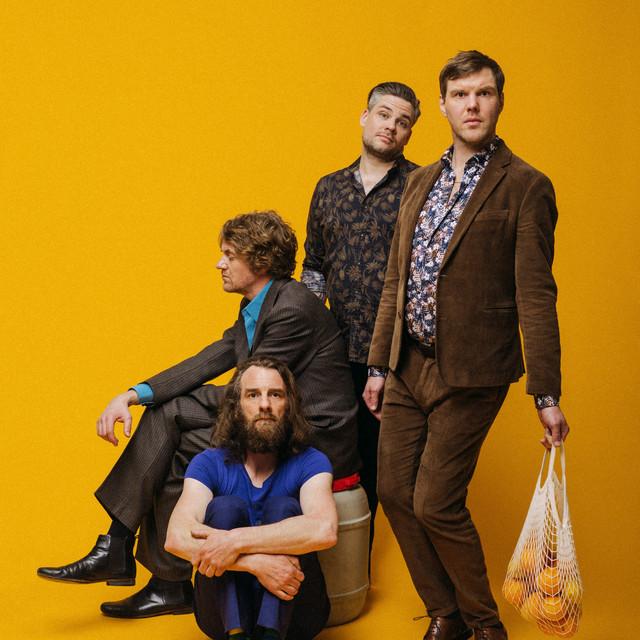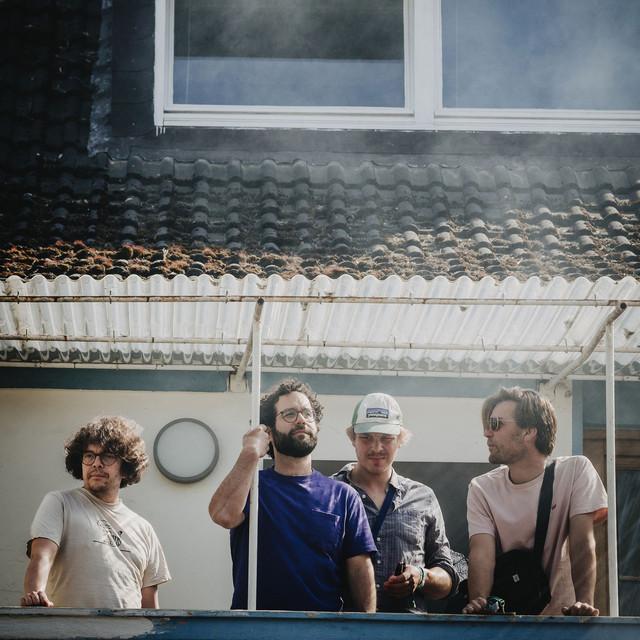
Love A

Punk
Punk Rock
Post Punk
Indie Rock
 Viberate Rank: 168447
 Viberate Rank: 168447
 Monthly ListenersFollowers
 Subscribers
 Followers
 Followers
 FansTop Spotify Songs
| Track | 7-Day Streams | |
|---|---|---|
1 | 1.97K | |
2 | 1.90K | |
3 | 1.09K | |
4 | 1.00K | |
5 | 700 |
Top YouTube Videos| Video | 7-Day Views | |
|---|---|---|
1 | 319 | |
2 | 166 | |
3 | 114 | |
4 | 112 | |
5 | 74 |
Monthly ListenersFeatured in Playlists| Playlist | Followers | |
|---|---|---|
1 |  Fidi & Bumsi Spotify | 353.24K |
2 | Mathias Blaavand Mathias Blaavand | 28.45K |
3 |  Muss ich das hören? Spotify | 18.11K |
4 |  Der Grill - Mit Verachtung DIFFUS | 15.59K |
5 |  This Is Antilopen Gang Spotify | 11.96K |
Audience| City | Monthly Listeners | |
|---|---|---|
1 | | 1.57K |
2 | | 1.27K |
3 | | 1.04K |
4 | | 738 |
5 | | 675 |
See full performance history, audience data, playlist activity, rankings, comparisons, and more in Viberate music analytics. Start with a free trial, then continue with a paid plan.
Love A’s Spotify BioLove A(cademy) steht für interdisziplinäre und innovative Forschung in Kernbereichen der Humanwissenschaften. Das Erkenntnisinteresse des 2010 in Trier gegründeten Instituts zielt auf mikrosoziale Tatbestände und die Implikationen zwischenmenschlicher Interaktionen ab. Um diesem komplexen Forschungsgegenstand gerecht zu werden, steht hinter den Untersuchungen im Rahmen der Love A(cademy) ein Konglomerat verschiedener Wissenschaftler aus den grundlegenden Bereichen der scientific community.
Die breitgefächerten Hintergründe der Mitarbeiter der Akademie ermöglichen jene methodische Vielfalt, die dieses Institut zu einer Forschungseinrichtung sui generis hat werden lassen. Während andere Institute seit Jahrzehnten lediglich ausgetretenen Pfaden der Sozialwissenschaften folgen, öffnet sich die Love A(cademy) für künstlerische Einflüsse. Forschung findet hier nicht nur quantitativ und qualitativ, sondern vor allem sensitiv statt. Forschungsergebnisse werden nicht tradiert in Wort und Schrift… veröffentlicht, sie werden audiosensuell aufbereitet, um die epistemologischen Resultate möglichst breiten Schichten der Bevölkerungen zugänglich und verständlich zu machen.
An der Love A(cademy) dozieren: Jörkk, Stefan, Dominik und Karl
Viberate is a music analytics platform built for A&Rs, artist managers, labels, booking agents, marketers, and artists.
It helps music professionals track artist growth, analyze audience data, monitor playlist activity, compare artists, follow song performance, and identify opportunities across the music market.
Public artist pages provide a free preview of selected artist data. Paid plans provide access to deeper analytics, historical data, charts, comparisons, playlist tools, exports, alerts, reports, and additional professional features.
Yes. Public Viberate artist pages provide selected artist analytics and music data for free.
Viberate also offers a 7-day free trial of the full platform. A credit card is required to start the trial. The trial includes access to the complete product so users can test deeper artist analytics, historical views, playlist insights, comparisons, charts, exports, alerts, and reporting features before choosing a paid plan.
Viberate provides artist analytics across streaming, playlists, social media, video, radio airplay, songs, and audience markets.
Users can analyze Spotify performance, Spotify and Apple Music playlists, YouTube activity, TikTok and Instagram growth, radio spins, song performance, audience locations, demographics, rankings, and overall artist momentum.
Artist profiles also connect to music charts, similar artists, and comparison tools, helping users benchmark performance and evaluate artists in context.
Viberate updates key artist and track data daily.
For followed artists and tracks, selected data is refreshed multiple times per day. This helps teams monitor playlist changes, streaming movement, audience growth, releases, and campaign performance with more current data.
Update frequency can vary depending on the metric and data source.
Yes. Viberate lets users compare up to five artists side by side across streaming, social media, audience, and engagement metrics.
Users can compare fanbase growth, audience demographics, locations, Spotify performance, social metrics, and other artist data over selected time periods.
Artist comparison can be used for A&R scouting, benchmarking, booking decisions, campaign planning, and evaluating artists with similar audiences or market positions.