Louise Burns

Pop
Indie Pop
Indie Rock
 Viberate Rank: 284290
 Viberate Rank: 284290
 Monthly ListenersFollowers
 Subscribers
 Followers
 Followers
 FansTop Spotify Songs
| Track | 7-Day Streams | |
|---|---|---|
1 | 337 | |
2 | 169 | |
3 | 153 | |
4 | 141 | |
5 | 71 |
Top YouTube VideosMonthly ListenersFeatured in Playlists| Playlist | Followers | |
|---|---|---|
1 |  Letterkenny Complete Soundtrack Dana Libhart | 46.92K |
2 | mumble...mumble... | 21.48K |
3 |  Letterkenny S1-12 Conor D | 15.59K |
4 |  Letterkenny Complete Soundtrack (Seasons 1-5) Robert Emmerson | 11.37K |
5 | 1278489087 | 9.50K |
Audience| City | Monthly Listeners | |
|---|---|---|
1 | | 83 |
2 | | 68 |
3 | | 65 |
4 | | 50 |
5 |  | 37 |
See full performance history, audience data, playlist activity, rankings, comparisons, and more in Viberate music analytics. Start with a free trial, then continue with a paid plan.
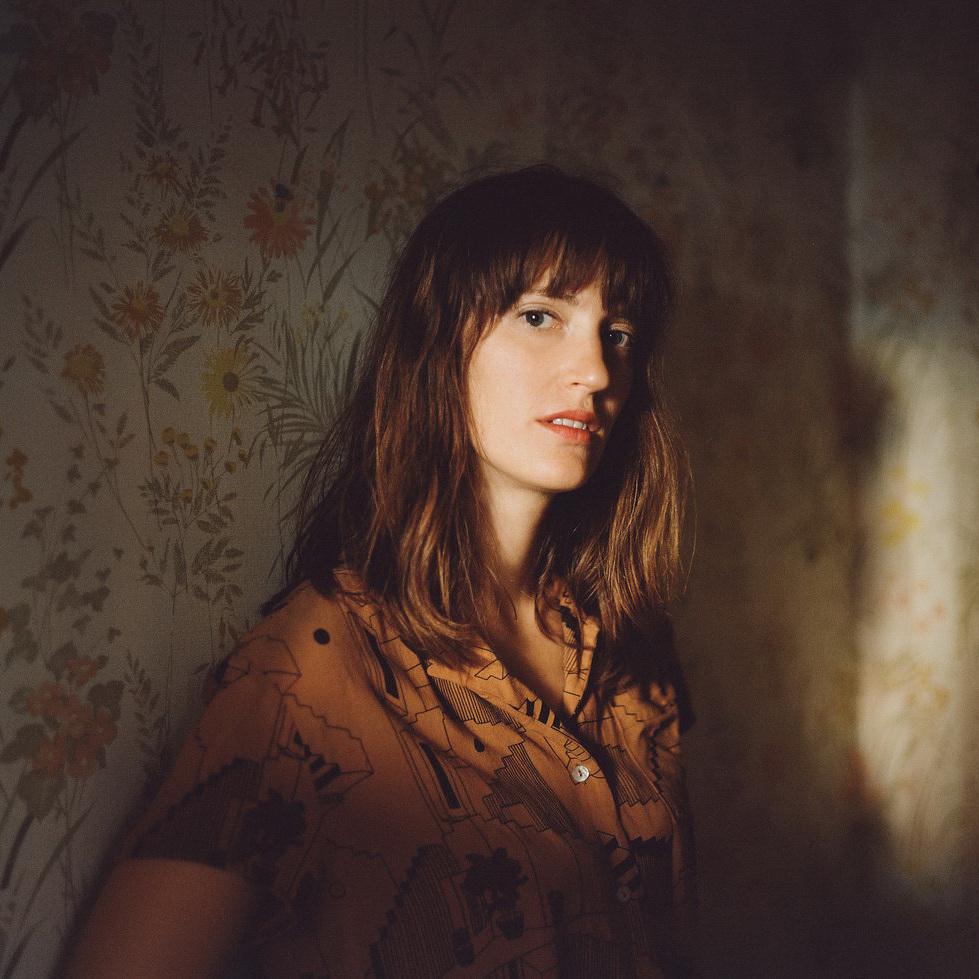
Louise Burns’ Spotify BioLouise Burns is a Canadian singer/songwriter from British Columbia who started her career as part of the teenage pop-punk band Lillix, then later forged an interesting and versatile solo career in the 2010s that ranged from jangling indie pop to new wave, jazz, country, and vivid synth pop. Following her Polaris-nominated Young Mopes LP, she closed out the decade with her fourth solo album, 2019's Portraits.
After getting her start as an 11-year-old bassist/vocalist in the all-female teen pop-punk combo Lillix, Burns moved on when the band splintered in the mid-2000s. She began working as a solo artist and also joined the alt-rock trio the Blue Violets. Her first solo record, Mellow Drama, was released in 2011 by Vancouver-based Light Organ Records. On it Burns explored various styles, ranging from smoky jazz ballads and country laments to jangly girl group-inspired pop. Her next album, 2013's Midnight Mass, was co-produced by the Raveonettes' Sune Rose Wagner and featured songs driven… by Burns' love of '80s synth pop. In 2017, she returned with her third full-length, Young Mopes, which featured backing from Ladyhawk's Darcy Hancock and Ryan Peters. A critical success, it was long-listed for Canada's prestigious Polaris Award. 2019's Portraits was a tightly focused pop effort which explored themes of looking back and embracing the past. ~ Tim Sendra, Rovi
Viberate is a music analytics platform built for A&Rs, artist managers, labels, booking agents, marketers, and artists.
It helps music professionals track artist growth, analyze audience data, monitor playlist activity, compare artists, follow song performance, and identify opportunities across the music market.
Public artist pages provide a free preview of selected artist data. Paid plans provide access to deeper analytics, historical data, charts, comparisons, playlist tools, exports, alerts, reports, and additional professional features.
Yes. Public Viberate artist pages provide selected artist analytics and music data for free.
Viberate also offers a 7-day free trial of the full platform. A credit card is required to start the trial. The trial includes access to the complete product so users can test deeper artist analytics, historical views, playlist insights, comparisons, charts, exports, alerts, and reporting features before choosing a paid plan.
Viberate provides artist analytics across streaming, playlists, social media, video, radio airplay, songs, and audience markets.
Users can analyze Spotify performance, Spotify and Apple Music playlists, YouTube activity, TikTok and Instagram growth, radio spins, song performance, audience locations, demographics, rankings, and overall artist momentum.
Artist profiles also connect to music charts, similar artists, and comparison tools, helping users benchmark performance and evaluate artists in context.
Viberate updates key artist and track data daily.
For followed artists and tracks, selected data is refreshed multiple times per day. This helps teams monitor playlist changes, streaming movement, audience growth, releases, and campaign performance with more current data.
Update frequency can vary depending on the metric and data source.
Yes. Viberate lets users compare up to five artists side by side across streaming, social media, audience, and engagement metrics.
Users can compare fanbase growth, audience demographics, locations, Spotify performance, social metrics, and other artist data over selected time periods.
Artist comparison can be used for A&R scouting, benchmarking, booking decisions, campaign planning, and evaluating artists with similar audiences or market positions.