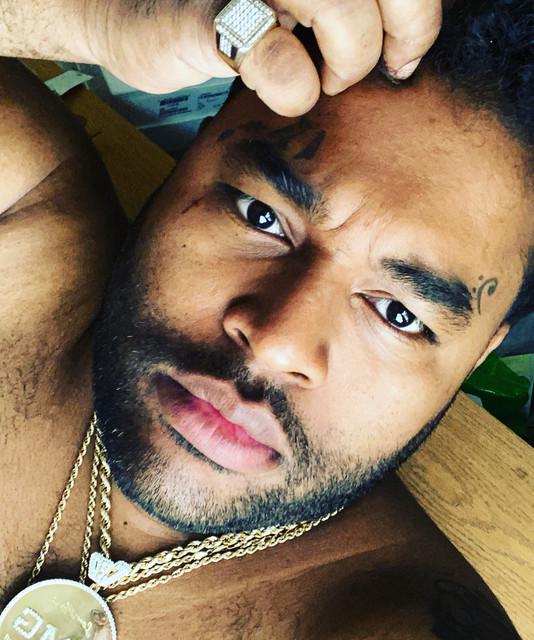
Lou Jefe


Hip Hop
Contemporary Hip Hop
Dubstep
Mainstream Pop
 Viberate Rank: 107977
 Viberate Rank: 107977
 Monthly ListenersFollowers
 Subscribers
 Followers
 Followers
 FansTop Spotify Songs
| Track | 7-Day Streams | |
|---|---|---|
1 | 4 | |
2 | 4 | |
3 | 4 | |
4 | 4 | |
5 | 2 |
Top YouTube VideosMonthly ListenersFeatured in Playlists| Playlist | Followers | |
|---|---|---|
1 | Humbe | ENTROPÍA Luna Allison | 8.64K |
2 |  Bored on a Friday Phyzi Sekhem Ma'at | 3.40K |
3 |  Indie Dive Bar Rock Linda Vee Sado | 1.95K |
4 | Collaborative Dance Playlist J.Fla | 1.84K |
5 | Radio KLF - collaborative tribute stibe | 1.74K |
Audience| City | Monthly Listeners | |
|---|---|---|
1 | | 3 |
See full performance history, audience data, playlist activity, rankings, comparisons, and more in Viberate music analytics. Start with a free trial, then continue with a paid plan.
Lou Jefe’s Spotify BioLou Jefe's journey through the music industry is nothing short of a compelling narrative. Born and raised in Milwaukee, Wisconsin, Lou has always been a visionary with ambitions far beyond the streets. Determined to break free from the cycles of failure that affected his family and community, he set his sights on becoming the CEO of his own music label at a young age. By 20, he committed to music full-time, using the money he earned hustling to fund his dream. While his early investments in local artists didn’t bring financial success, they provided crucial lessons that shaped his path.
Over the past decade, Lou has focused on his own music, making significant strides. He’s worked with hip-hop icons like Mike Jones and Earl E., and created "Pippen," a basketball-inspired track featuring Money Man, as a tribute to the legendary Chicago Bulls. Known for pouring his heart and soul into every beat, Lou proudly calls himself the "baker of beats."
As the CEO of Bakery Music Group, Lou is the… head chef, crafting a distinctive mix of musical offerings for his audience. Dedicated to authenticity, he’s on a mission to create a signature sound for Milwaukee that stands apart from the "Trap House" style of Atlanta, Georgia. With his innovative approach, Lou Jefe is not only redefining the sound of his hometown but also leaving a lasting impact on the music industry.
Viberate is a music analytics platform built for A&Rs, artist managers, labels, booking agents, marketers, and artists.
It helps music professionals track artist growth, analyze audience data, monitor playlist activity, compare artists, follow song performance, and identify opportunities across the music market.
Public artist pages provide a free preview of selected artist data. Paid plans provide access to deeper analytics, historical data, charts, comparisons, playlist tools, exports, alerts, reports, and additional professional features.
Yes. Public Viberate artist pages provide selected artist analytics and music data for free.
Viberate also offers a 7-day free trial of the full platform. A credit card is required to start the trial. The trial includes access to the complete product so users can test deeper artist analytics, historical views, playlist insights, comparisons, charts, exports, alerts, and reporting features before choosing a paid plan.
Viberate provides artist analytics across streaming, playlists, social media, video, radio airplay, songs, and audience markets.
Users can analyze Spotify performance, Spotify and Apple Music playlists, YouTube activity, TikTok and Instagram growth, radio spins, song performance, audience locations, demographics, rankings, and overall artist momentum.
Artist profiles also connect to music charts, similar artists, and comparison tools, helping users benchmark performance and evaluate artists in context.
Viberate updates key artist and track data daily.
For followed artists and tracks, selected data is refreshed multiple times per day. This helps teams monitor playlist changes, streaming movement, audience growth, releases, and campaign performance with more current data.
Update frequency can vary depending on the metric and data source.
Yes. Viberate lets users compare up to five artists side by side across streaming, social media, audience, and engagement metrics.
Users can compare fanbase growth, audience demographics, locations, Spotify performance, social metrics, and other artist data over selected time periods.
Artist comparison can be used for A&R scouting, benchmarking, booking decisions, campaign planning, and evaluating artists with similar audiences or market positions.