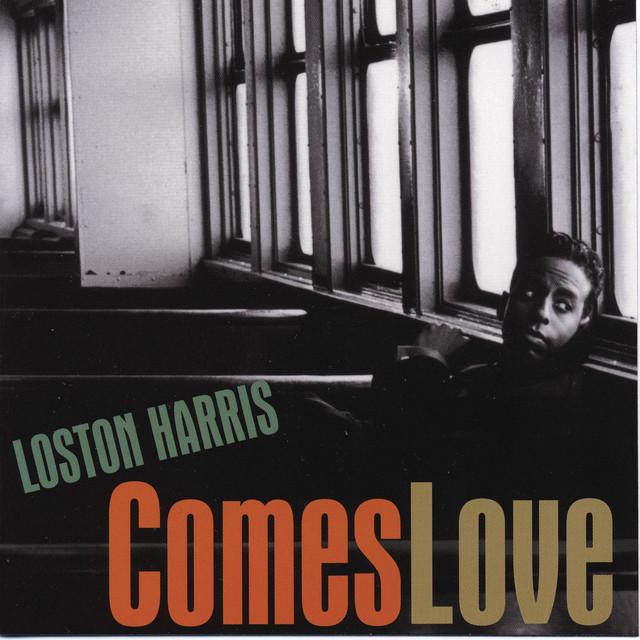
Loston Harris

Jazz
Swing
Jazz Fusion
 Viberate Rank: 536400
 Viberate Rank: 536400
 Monthly ListenersFollowers
 Subscribers
 Followers
 Followers
 FansTop Spotify Songs
| Track | 7-Day Streams | |
|---|---|---|
1 | 108 | |
2 | 44 | |
3 | 40 | |
4 | 39 | |
5 | 39 |
Top YouTube VideosMonthly ListenersFeatured in Playlists| Playlist | Followers | |
|---|---|---|
1 | Upbeat Jazz Piano Trios davphelps | 5.48K |
2 |  Elevator Jazz/Funk/Lounge Anthony | 2.39K |
3 | Bemelmans Bar at The Carlyle thecarlylehotel | 2.00K |
4 | Jazz Piano Trio Anthology davphelps | 1.82K |
Audience| City | Monthly Listeners | |
|---|---|---|
1 | | 20 |
2 |  | 8 |
3 | | 7 |
4 |  | 7 |
5 | | 7 |
See full performance history, audience data, playlist activity, rankings, comparisons, and more in Viberate music analytics. Start with a free trial, then continue with a paid plan.
Loston Harris’ Spotify BioLoston Harris' recorded debut as a leader, Comes Love (N2K) in 1998, cast him in the role of a traditionalist who played expert modern swing piano (with touches of Oscar Peterson, Ahmad Jamal and Red Garland) and took a few cheerful vocals (including on "Close Your Eyes" and "Comes Love"). A subtle improviser, Harris (heard with a trio/quartet) was reshaping the past and sounding quite creative within the older style. He actually had started seriously playing piano fairly late. Harris had some piano lessons when he was five but soon dropped the instrument. Instead he played drums from the time he was ten until he hit his early twenties, primarily rock and r&b. He received a scholarship to Virginia Commonwealth University and was initially a percussion major. However Ellis Marsalis (who was a visiting professor at VCU) heard Harris jamming on the piano and he suggested that he switch instruments since Harris a natural feel for the piano. Soon Harris was practicing eight-to-ten hours a… day and, when Marsalis returned to New Orleans, he transferred to Howard University. He had opportunities to study with Geri Allen and Billy Taylor and was soon working locally. After graduating, Harris landed a local gig three nights a week in Reston, Virginia that continued throughout the 1990's. In addition, he toured with Wynton Marsalis in 1995, played second piano for Marcus Roberts on his "Portraits In Blue" tour in 1996 and had opportunities to play with Kenny Garrett, Roy Hargrove and Joshua Redman. Loston Harris began singing in the mid-1990's after being inspired by Nat King Cole records and he clearly has strong potential for the future. ~ Scott Yanow, Rovi
Viberate is a music analytics platform built for A&Rs, artist managers, labels, booking agents, marketers, and artists.
It helps music professionals track artist growth, analyze audience data, monitor playlist activity, compare artists, follow song performance, and identify opportunities across the music market.
Public artist pages provide a free preview of selected artist data. Paid plans provide access to deeper analytics, historical data, charts, comparisons, playlist tools, exports, alerts, reports, and additional professional features.
Yes. Public Viberate artist pages provide selected artist analytics and music data for free.
Viberate also offers a 7-day free trial of the full platform. A credit card is required to start the trial. The trial includes access to the complete product so users can test deeper artist analytics, historical views, playlist insights, comparisons, charts, exports, alerts, and reporting features before choosing a paid plan.
Viberate provides artist analytics across streaming, playlists, social media, video, radio airplay, songs, and audience markets.
Users can analyze Spotify performance, Spotify and Apple Music playlists, YouTube activity, TikTok and Instagram growth, radio spins, song performance, audience locations, demographics, rankings, and overall artist momentum.
Artist profiles also connect to music charts, similar artists, and comparison tools, helping users benchmark performance and evaluate artists in context.
Viberate updates key artist and track data daily.
For followed artists and tracks, selected data is refreshed multiple times per day. This helps teams monitor playlist changes, streaming movement, audience growth, releases, and campaign performance with more current data.
Update frequency can vary depending on the metric and data source.
Yes. Viberate lets users compare up to five artists side by side across streaming, social media, audience, and engagement metrics.
Users can compare fanbase growth, audience demographics, locations, Spotify performance, social metrics, and other artist data over selected time periods.
Artist comparison can be used for A&R scouting, benchmarking, booking decisions, campaign planning, and evaluating artists with similar audiences or market positions.