Lost Symphony

Metal
Progressive Metal
Neoclassical
 Viberate Rank: 263630
 Viberate Rank: 263630
 Monthly ListenersFollowers
 Subscribers
 Followers
 Followers
 FansTop Spotify Songs
| Track | 7-Day Streams | |
|---|---|---|
1 | 508 | |
2 | 215 | |
3 | 174 | |
4 | 51 | |
5 | 43 |
Top YouTube Videos| Video | 7-Day Views | |
|---|---|---|
1 | 626 | |
2 | 93 | |
3 | 71 | |
4 | 69 | |
5 | 59 |
Monthly ListenersFeatured in Playlists| Playlist | Followers | |
|---|---|---|
1 |  Metal Instrumentals Samidhya Sarker Torsho | 18.17K |
2 |  Rock/Metal instrumentals Justin Ronald Williamson | 15.61K |
3 |  Heavy Metal Instrumentals 🎸 JaviFlames | 13.78K |
4 |  Instrumental Metal Diego Quiroz | 10.91K |
5 | Instrumental Metal Vince | 4.56K |
Audience| City | Monthly Listeners | |
|---|---|---|
1 |  | 31 |
2 | | 25 |
3 | | 24 |
4 | | 17 |
5 |  | 17 |
See full performance history, audience data, playlist activity, rankings, comparisons, and more in Viberate music analytics. Start with a free trial, then continue with a paid plan.
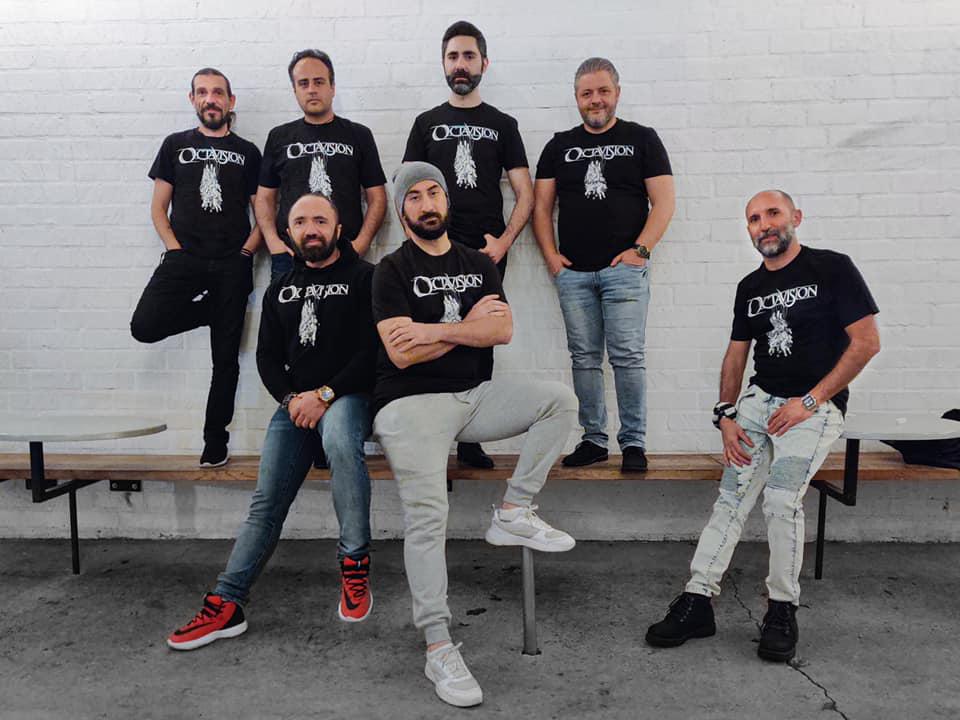
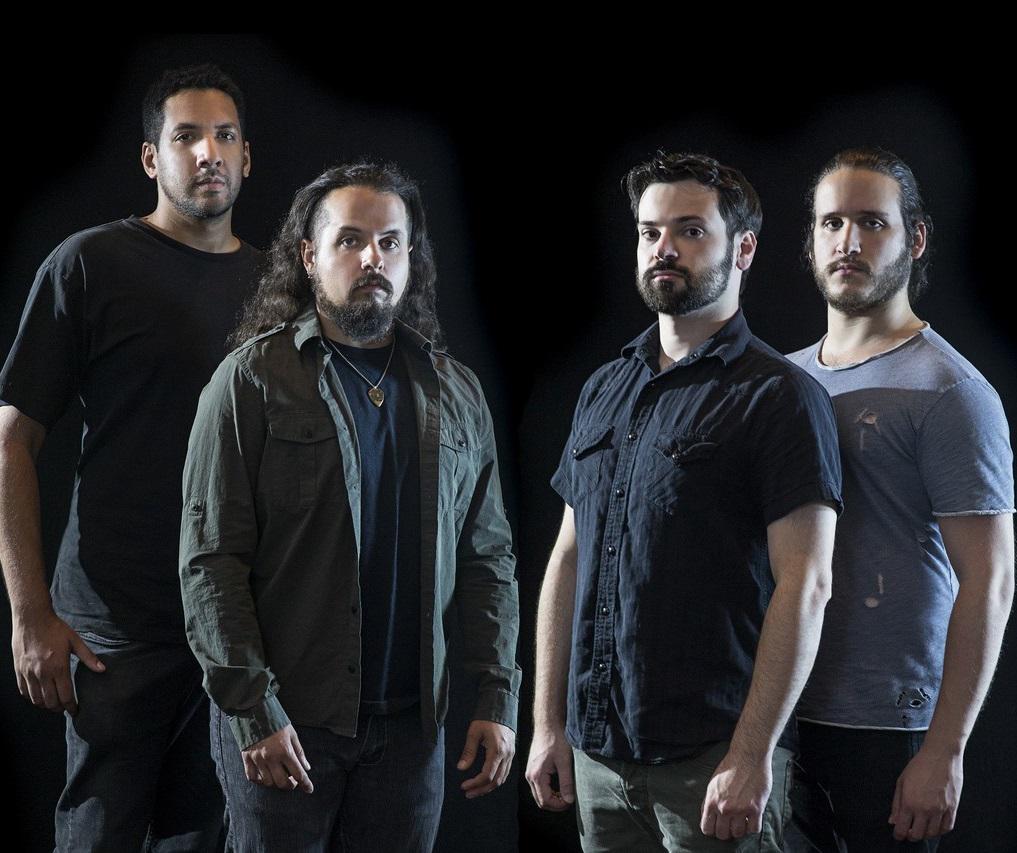
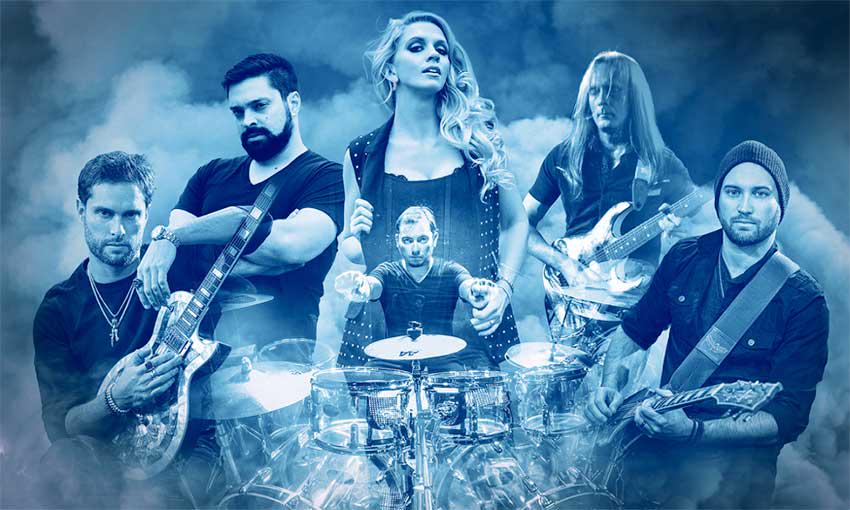
Lost Symphony’s Spotify BioIn evolution, one species gradually changes into another over time. It retains key elements, while assuming a new form. The evolutionary trajectory of classical music points right to heavy metal. Symphonic bombast, drama, emotion, and virtuosity thrive between guitar solos and riffs in the same way they did when conjured by an orchestra. Lost Symphony connect the missing link between classical and metal. Founded by multi-instrumentalist and producer Benny Goodman, the core group consists of Benny, his brother Brian [compositions, arrangement], Cory Paza [bass, guitar], Kelly Kereliuk [guitar], Paul Lourenco [drums], and Starset’s Siobhán Cronin [violin, viola, electric violin]. Joined by a bevy of high-profile guests whose discographies span Guns N’ Roses, All That Remains, Starset, Cradle of Filth, Nevermore, Steel Panther, Trans-Siberian Orchestra and more, Lost Symphony roars to life on a trio of independent releases throughout 2020: Chapter I, Chapter II, and The Five Stages of… Death and Dying EP.
Across Chapter I alone, the featured artists span Marty Friedman, Ron “Bumblefoot” Thal, Angel Vivaldi, David Ellefson, Joey Concepcion, Richard Shaw, Ethan Brosh, Satchel, Matt LaPierre, Jimi Bell, Conrad Simon, Brock Richards, and Hiyori Okuda, as well as late guitar hero and All That Remains founder, Oli Herbert.
Read more at https://lostsymphony.com/pages/about
Viberate is a music analytics platform built for A&Rs, artist managers, labels, booking agents, marketers, and artists.
It helps music professionals track artist growth, analyze audience data, monitor playlist activity, compare artists, follow song performance, and identify opportunities across the music market.
Public artist pages provide a free preview of selected artist data. Paid plans provide access to deeper analytics, historical data, charts, comparisons, playlist tools, exports, alerts, reports, and additional professional features.
Yes. Public Viberate artist pages provide selected artist analytics and music data for free.
Viberate also offers a 7-day free trial of the full platform. A credit card is required to start the trial. The trial includes access to the complete product so users can test deeper artist analytics, historical views, playlist insights, comparisons, charts, exports, alerts, and reporting features before choosing a paid plan.
Viberate provides artist analytics across streaming, playlists, social media, video, radio airplay, songs, and audience markets.
Users can analyze Spotify performance, Spotify and Apple Music playlists, YouTube activity, TikTok and Instagram growth, radio spins, song performance, audience locations, demographics, rankings, and overall artist momentum.
Artist profiles also connect to music charts, similar artists, and comparison tools, helping users benchmark performance and evaluate artists in context.
Viberate updates key artist and track data daily.
For followed artists and tracks, selected data is refreshed multiple times per day. This helps teams monitor playlist changes, streaming movement, audience growth, releases, and campaign performance with more current data.
Update frequency can vary depending on the metric and data source.
Yes. Viberate lets users compare up to five artists side by side across streaming, social media, audience, and engagement metrics.
Users can compare fanbase growth, audience demographics, locations, Spotify performance, social metrics, and other artist data over selected time periods.
Artist comparison can be used for A&R scouting, benchmarking, booking decisions, campaign planning, and evaluating artists with similar audiences or market positions.