Lost Saints

Country
Contemporary Country
 Viberate Rank: 200944
 Viberate Rank: 200944
 Monthly ListenersFollowers
 Subscribers
 Followers
 Followers
 FansTop Spotify Songs
| Track | 7-Day Streams | |
|---|---|---|
1 | 5.49K | |
2 | 4.73K | |
3 | 698 | |
4 | 617 | |
5 | 166 |
Top YouTube VideosMonthly ListenersFeatured in Playlists| Playlist | Followers | |
|---|---|---|
1 |  Beach Playlist 2026 🌴 Upbeat Music | 104.91K |
2 |  Restaurant Music 2026 Cooking Music | 85.48K |
3 |  Office Playlist 2026 Cooking Music | 55.01K |
4 |  Best Country Workout Songs 2026 Upbeat Music | 51.76K |
5 |  Best Country Love Songs 2026 Country Love Songs | 48.70K |
Audience| City | Monthly Listeners | |
|---|---|---|
1 |  | 265 |
2 | | 264 |
3 | | 198 |
4 |  | 171 |
5 | | 122 |
See full performance history, audience data, playlist activity, rankings, comparisons, and more in Viberate music analytics. Start with a free trial, then continue with a paid plan.
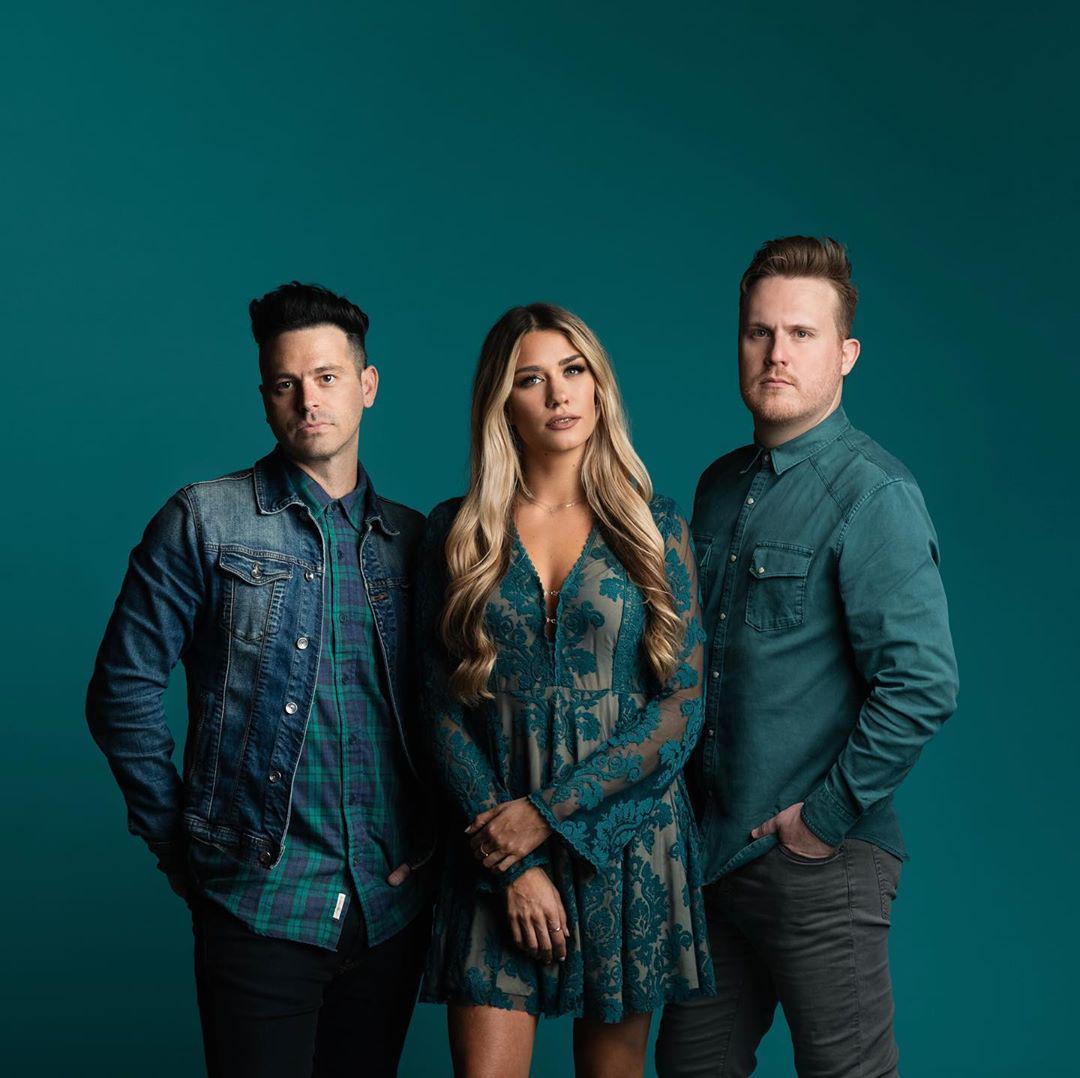
Lost Saints’ Spotify BioBuilt on the soul-piercing simplicity of three-part harmony, The Lost Saints are a country
power trio for a new era – but one with undeniably timeless instincts. Featuring Afton
Addington, Chris Biano, and Derrick Casteel, three voices fit together like a puzzle,
revitalizing one of country’s core tenants. Sourcing their own musical beginnings from East
Tennessee (Casteel) and East Texas (Addington and Biano), The Lost Saints met by grace in
2017 and began exploring an easy, all-natural vocal blend. Fusing the silky sheen of
contemporary country with grassroots ‘90s authenticity and the rich, vivid harmony of the
classic format, they began turning heads in 2020 through a series of self-styled singles – set
apart by their true-trio status (with each member on equal vocal footing). Yet after signing with
Two Hats Music Group, and partnering with ace producer/studio legend Ilya Toshinskiy, a new
chapter sees The Lost Saints finding their way. Beginning with the 2024 single “I Wanna Let
You,” thick,… textured voicing and near-weightless harmonies show a long-loved piece of the
country tradition reclaimed, after being absent too long. Meanwhile, 2025 sees the band
follow up with the heartfelt power ballad “The One” – a better-late-than-never tribute to
soulmates finding one another – and as excitement builds behind the emerging trio, a wealth
of new material waits in the wings.
Viberate is a music analytics platform built for A&Rs, artist managers, labels, booking agents, marketers, and artists.
It helps music professionals track artist growth, analyze audience data, monitor playlist activity, compare artists, follow song performance, and identify opportunities across the music market.
Public artist pages provide a free preview of selected artist data. Paid plans provide access to deeper analytics, historical data, charts, comparisons, playlist tools, exports, alerts, reports, and additional professional features.
Yes. Public Viberate artist pages provide selected artist analytics and music data for free.
Viberate also offers a 7-day free trial of the full platform. A credit card is required to start the trial. The trial includes access to the complete product so users can test deeper artist analytics, historical views, playlist insights, comparisons, charts, exports, alerts, and reporting features before choosing a paid plan.
Viberate provides artist analytics across streaming, playlists, social media, video, radio airplay, songs, and audience markets.
Users can analyze Spotify performance, Spotify and Apple Music playlists, YouTube activity, TikTok and Instagram growth, radio spins, song performance, audience locations, demographics, rankings, and overall artist momentum.
Artist profiles also connect to music charts, similar artists, and comparison tools, helping users benchmark performance and evaluate artists in context.
Viberate updates key artist and track data daily.
For followed artists and tracks, selected data is refreshed multiple times per day. This helps teams monitor playlist changes, streaming movement, audience growth, releases, and campaign performance with more current data.
Update frequency can vary depending on the metric and data source.
Yes. Viberate lets users compare up to five artists side by side across streaming, social media, audience, and engagement metrics.
Users can compare fanbase growth, audience demographics, locations, Spotify performance, social metrics, and other artist data over selected time periods.
Artist comparison can be used for A&R scouting, benchmarking, booking decisions, campaign planning, and evaluating artists with similar audiences or market positions.