Lost Horizons

Pop
Indie Pop
Alternative Rock
 Viberate Rank: 260717
 Viberate Rank: 260717
 Monthly ListenersFollowers
 Subscribers
 Followers
 Followers
 FansTop Spotify Songs
| Track | 7-Day Streams | |
|---|---|---|
1 | 705 | |
2 | 511 | |
3 | 349 | |
4 | 331 | |
5 | 130 |
Top YouTube VideosMonthly ListenersFeatured in Playlists| Playlist | Followers | |
|---|---|---|
1 |  Living In My Headphones James Lavelle (UNKLE) | 16.04K |
2 |  KEXP's Song of the Day 2020 KEXP | 9.42K |
3 | At Home: Soundtrack nytimes | 7.32K |
4 |  Mystery Train with John Kelly rtelyricfm | 5.57K |
5 |  Sole Food Moses Sumney | 5.27K |
Audience| City | Monthly Listeners | |
|---|---|---|
1 | | 288 |
2 |  | 97 |
3 | | 84 |
4 |  | 77 |
5 |  | 70 |
See full performance history, audience data, playlist activity, rankings, comparisons, and more in Viberate music analytics. Start with a free trial, then continue with a paid plan.
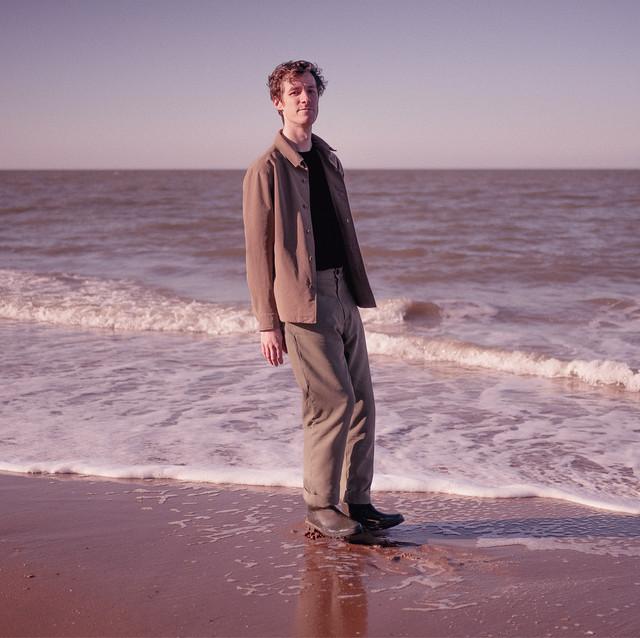
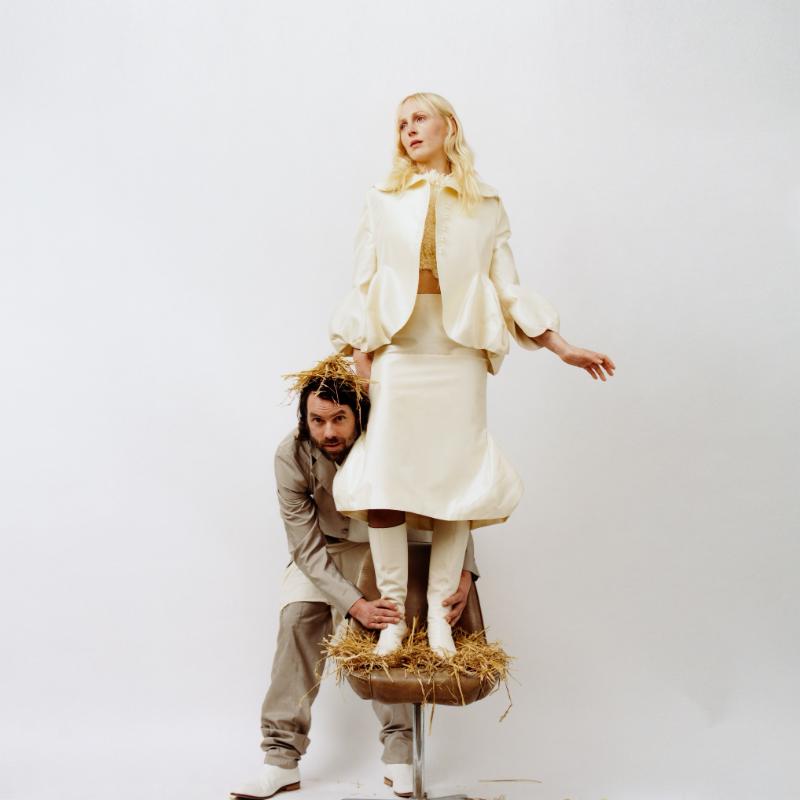
Lost Horizons’ Spotify BioA collaboration between former Cocteau Twin Simon Raymonde and drummer Richard Thomas (Dif Juz, the Jesus and Mary Chain), Lost Horizons features various guest vocalists from the indie realm. Fashioning a haunting, low-key indie rock that combined elements of dance-rock and Bowie-esque singer/songwriter folk, their debut album, the 15-track Ojalá, saw release in 2017. The equally ambitious follow-up, 2020's In Quiet Moments, included appearances from the likes of Porridge Radio, C Duncan, and returning guest Marissa Nadler.
The duo's first album featured nearly as many guest vocalists as tracks, among them Marissa Nadler, Tim Smith (Midlake), and Ghostpoet. Titled Ojalá, it arrived in November 2017 on Raymonde's own Bella Union label, which was then celebrating its 20th year. They returned with the 16-song In Quiet Moments in February 2021. Among its featured singers were John Grant, Ren Harvieu, and C Duncan as well as Smith and Nadler. ~ Marcy Donelson, Rovi
Viberate is a music analytics platform built for A&Rs, artist managers, labels, booking agents, marketers, and artists.
It helps music professionals track artist growth, analyze audience data, monitor playlist activity, compare artists, follow song performance, and identify opportunities across the music market.
Public artist pages provide a free preview of selected artist data. Paid plans provide access to deeper analytics, historical data, charts, comparisons, playlist tools, exports, alerts, reports, and additional professional features.
Yes. Public Viberate artist pages provide selected artist analytics and music data for free.
Viberate also offers a 7-day free trial of the full platform. A credit card is required to start the trial. The trial includes access to the complete product so users can test deeper artist analytics, historical views, playlist insights, comparisons, charts, exports, alerts, and reporting features before choosing a paid plan.
Viberate provides artist analytics across streaming, playlists, social media, video, radio airplay, songs, and audience markets.
Users can analyze Spotify performance, Spotify and Apple Music playlists, YouTube activity, TikTok and Instagram growth, radio spins, song performance, audience locations, demographics, rankings, and overall artist momentum.
Artist profiles also connect to music charts, similar artists, and comparison tools, helping users benchmark performance and evaluate artists in context.
Viberate updates key artist and track data daily.
For followed artists and tracks, selected data is refreshed multiple times per day. This helps teams monitor playlist changes, streaming movement, audience growth, releases, and campaign performance with more current data.
Update frequency can vary depending on the metric and data source.
Yes. Viberate lets users compare up to five artists side by side across streaming, social media, audience, and engagement metrics.
Users can compare fanbase growth, audience demographics, locations, Spotify performance, social metrics, and other artist data over selected time periods.
Artist comparison can be used for A&R scouting, benchmarking, booking decisions, campaign planning, and evaluating artists with similar audiences or market positions.