Los Skarnales

Punk
Ska Punk
 Viberate Rank: 163503
 Viberate Rank: 163503
 Monthly ListenersFollowers
 Subscribers
 Followers
 Followers
 FansTop Spotify Songs
| Track | 7-Day Streams | |
|---|---|---|
1 | 743 | |
2 | 577 | |
3 | 577 | |
4 | 531 | |
5 | 425 |
Top YouTube VideosMonthly ListenersFeatured in Playlists| Playlist | Followers | |
|---|---|---|
1 |  Ska Éxitos Diverge | 110.24K |
2 | Lo mejor de la música SKA Carlos Maldonado | 10.53K |
3 |  SKA Y ROCK (ESPAÑOL) LOS MEJORES HITS vicentesilvar | 6.08K |
4 | Skatune Network: Inspirations Skatune Network | 5.54K |
5 | Black, Brown, and DIY bands of Color Skatune Network | 3.68K |
Audience| City | Monthly Listeners | |
|---|---|---|
1 |  | 1.87K |
2 | | 370 |
3 | | 220 |
4 | | 215 |
5 | | 211 |
See full performance history, audience data, playlist activity, rankings, comparisons, and more in Viberate music analytics. Start with a free trial, then continue with a paid plan.
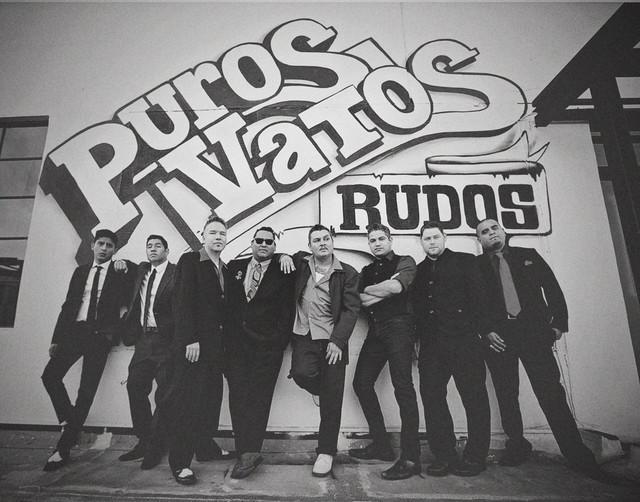
Los Skarnales’ Spotify BioLos Skarnales formed in 1993, a time when Spanish rock outfits performing in their hometown of Houston were content to churn out generic covers of tunes by popular Mexico-based rock bands or, even worse, lame interpretations of American hits. Los Skarnales co-founders Felipe Galvan, Jose Rodriguez and John Garcia, on the other hand, were tearing up the scene as an aggressive punk trio called Desorden The group changed its name to Los Skarnales (loose English translation: Brothers of Ska) in 1995, adding Josue Mares, a fan from the group's Desorden days. A talented artist and designer, Mares is also the band's graphic mastermind. He and Galvan collaborate on all Los Skarnales CD cover art and promotional material, including a fanzine-style "coloring book" that, among other things, documents Los Skarnales' rude-boy evolution in an offbeat comic strip.
The turning point in that evolution came -- more or less -- when Galvan and Rodriguez, increasingly drawn to classic surf and rockabilly,… began sprinkling those elements into the mix. As the group's sound expanded, its audience also grew. In 1996, a mini-tour of the West Coast and the Southwest saw the band open for reunited Two Tone architects the Specials in Phoenix and perform with King Chango and a host of other acts at the Guateque Festival in Los Angeles. The band also traveled to Mexico for a series of gigs that culminated in a performance on the nationally televised variety show "Desvelados."
Meanwhile, back home, the band's imprint, Pinche Flojo, was beginning to find an identity of its own, and Garcia left the band to work full-time on developing the label. In 1997, the band released Vatos Rudos, followed by Suavecito Style in 2000. ~ Hobart Rowland, Rovi
Viberate is a music analytics platform built for A&Rs, artist managers, labels, booking agents, marketers, and artists.
It helps music professionals track artist growth, analyze audience data, monitor playlist activity, compare artists, follow song performance, and identify opportunities across the music market.
Public artist pages provide a free preview of selected artist data. Paid plans provide access to deeper analytics, historical data, charts, comparisons, playlist tools, exports, alerts, reports, and additional professional features.
Yes. Public Viberate artist pages provide selected artist analytics and music data for free.
Viberate also offers a 7-day free trial of the full platform. A credit card is required to start the trial. The trial includes access to the complete product so users can test deeper artist analytics, historical views, playlist insights, comparisons, charts, exports, alerts, and reporting features before choosing a paid plan.
Viberate provides artist analytics across streaming, playlists, social media, video, radio airplay, songs, and audience markets.
Users can analyze Spotify performance, Spotify and Apple Music playlists, YouTube activity, TikTok and Instagram growth, radio spins, song performance, audience locations, demographics, rankings, and overall artist momentum.
Artist profiles also connect to music charts, similar artists, and comparison tools, helping users benchmark performance and evaluate artists in context.
Viberate updates key artist and track data daily.
For followed artists and tracks, selected data is refreshed multiple times per day. This helps teams monitor playlist changes, streaming movement, audience growth, releases, and campaign performance with more current data.
Update frequency can vary depending on the metric and data source.
Yes. Viberate lets users compare up to five artists side by side across streaming, social media, audience, and engagement metrics.
Users can compare fanbase growth, audience demographics, locations, Spotify performance, social metrics, and other artist data over selected time periods.
Artist comparison can be used for A&R scouting, benchmarking, booking decisions, campaign planning, and evaluating artists with similar audiences or market positions.