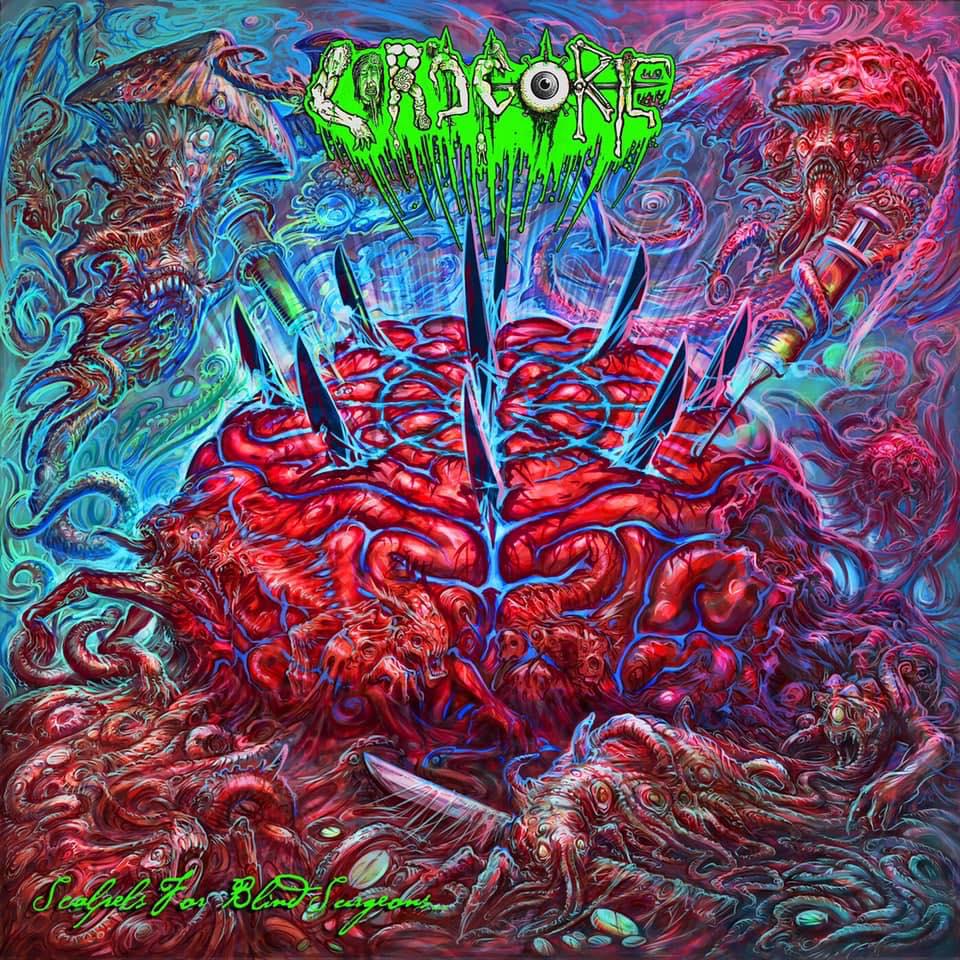
Lord Gore

Metal
Death Metal
Grindcore
 Viberate Rank: 406243
 Viberate Rank: 406243
 Monthly ListenersFollowers
 Subscribers
 Followers
 Followers
 FansTop Spotify Songs
| Track | 7-Day Streams | |
|---|---|---|
1 | 148 | |
2 | 145 | |
3 | 70 | |
4 | 60 | |
5 | 50 |
Top YouTube VideosMonthly ListenersFeatured in Playlists| Playlist | Followers | |
|---|---|---|
1 | BRUTAL DEATH METAL / SLAM / GOREGRIND dkdogukandk🇺🇸 | 19.24K |
2 |  Ultimate Grindcore Spikerot Records | 9.48K |
3 |  EVERLASTING SPEW RECORDS label playlist Everlasting Spew Records | 2.33K |
4 |  WIGGER SLAMAHOLICS Tyler | 1.69K |
5 |  Goregrind till death Kimi Koster | 1.50K |
Audience| City | Monthly Listeners | |
|---|---|---|
1 |  | 30 |
2 | | 19 |
3 | | 14 |
4 |  | 12 |
5 |  | 11 |
See full performance history, audience data, playlist activity, rankings, comparisons, and more in Viberate music analytics. Start with a free trial, then continue with a paid plan.
Lord Gore’s Spotify BioFeaturing former and current members from Engorged, Frightmare, Ritual Necromancy, Blood Freak, Fornicator and Torture Rack, legendary Gory Death Grind combo LORD GORE have shaped their third album right 15 years after their previous "Resickened" adding a strong filthy old school death metal vibe to their renowned death grind formula!
Lord Gore was formed in 1998-1999, by members of Thy Infernal, Engorged and Wraithen with the goal to make an Autopsy/Impetigo/Carcass styled Grind Death Metal demo over a weekend drewing thematic influences from Horror, Sci-Fi, Exploitation movies as well as Hentai, comedy films, pulp/fantasy horror literature and comic books.
They had so much fun that they decided to give it more life and complexity, resulting in the release of "The Autophagous Orgy" (2002) and then "Resickened" (2004) which took the sound and themes more into Dark sci-fi and body horror than the previous violence, sex and gore oriented material.
In 2018, 14 years after "Resickened" and… after many years of hiatus the band came back with the critically acclaimed "Cronenberg" Demo and in 2019, as the world of humanity threatens to tear civilization apart with religion, corruption and tyranny... Lord Gore answer with "Scalpels For Blind Surgeons".
This newest offering has many sounds, old and new, while maintaining the band's trademark ferocity and raw, classic death and grind flavor.
Viberate is a music analytics platform built for A&Rs, artist managers, labels, booking agents, marketers, and artists.
It helps music professionals track artist growth, analyze audience data, monitor playlist activity, compare artists, follow song performance, and identify opportunities across the music market.
Public artist pages provide a free preview of selected artist data. Paid plans provide access to deeper analytics, historical data, charts, comparisons, playlist tools, exports, alerts, reports, and additional professional features.
Yes. Public Viberate artist pages provide selected artist analytics and music data for free.
Viberate also offers a 7-day free trial of the full platform. A credit card is required to start the trial. The trial includes access to the complete product so users can test deeper artist analytics, historical views, playlist insights, comparisons, charts, exports, alerts, and reporting features before choosing a paid plan.
Viberate provides artist analytics across streaming, playlists, social media, video, radio airplay, songs, and audience markets.
Users can analyze Spotify performance, Spotify and Apple Music playlists, YouTube activity, TikTok and Instagram growth, radio spins, song performance, audience locations, demographics, rankings, and overall artist momentum.
Artist profiles also connect to music charts, similar artists, and comparison tools, helping users benchmark performance and evaluate artists in context.
Viberate updates key artist and track data daily.
For followed artists and tracks, selected data is refreshed multiple times per day. This helps teams monitor playlist changes, streaming movement, audience growth, releases, and campaign performance with more current data.
Update frequency can vary depending on the metric and data source.
Yes. Viberate lets users compare up to five artists side by side across streaming, social media, audience, and engagement metrics.
Users can compare fanbase growth, audience demographics, locations, Spotify performance, social metrics, and other artist data over selected time periods.
Artist comparison can be used for A&R scouting, benchmarking, booking decisions, campaign planning, and evaluating artists with similar audiences or market positions.