Lord Dying

Metal
Doom/Sludge Metal
 Viberate Rank: 243559
 Viberate Rank: 243559
 Monthly ListenersFollowers
 Subscribers
 Followers
 Followers
 FansTop Spotify Songs
| Track | 7-Day Streams | |
|---|---|---|
1 | 188 | |
2 | 145 | |
3 | 61 | |
4 | 51 | |
5 | 46 |
Top YouTube VideosMonthly ListenersFeatured in Playlists| Playlist | Followers | |
|---|---|---|
1 |  Ultimate Sludge Metal Loudwire | 30.11K |
2 |  Expansive Doom F I L T H Y W I T C H | 9.71K |
3 |  Sludge & Doom Metal Ole Urke Wik | 8.53K |
4 |  Stoner, Sludge & Doom Metal blaatz0r | 4.21K |
5 |  Psychodelic Stoner Doom Metal Łukasz | 4.17K |
Audience| City | Monthly Listeners | |
|---|---|---|
1 | | 28 |
2 | | 16 |
3 | | 15 |
4 | | 15 |
5 |  | 13 |
See full performance history, audience data, playlist activity, rankings, comparisons, and more in Viberate music analytics. Start with a free trial, then continue with a paid plan.
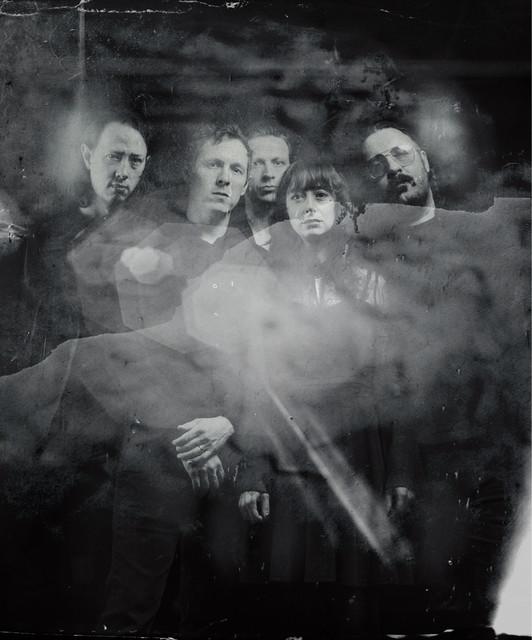
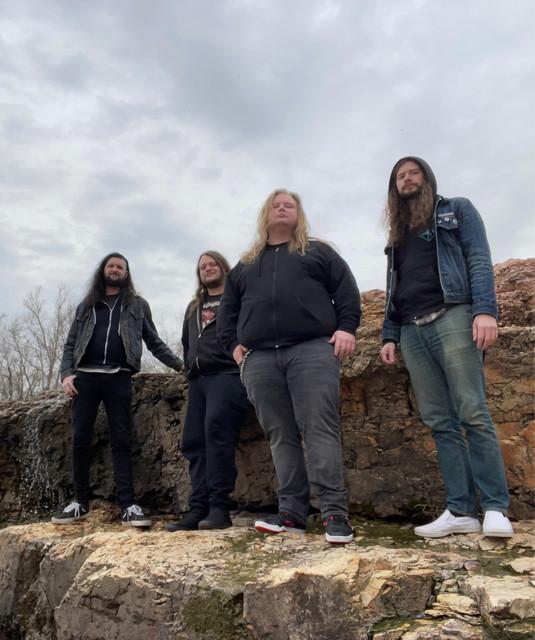
Lord Dying’s Spotify BioLord Dying from Portland, Oregon play a signature brand of progressive sludge. Founded in 2010, by guitarist/vocalist Erik Olson, guitarist Chris Evans, bassist Don Capuano, and drummer/vocalist Jon Reid.
At the core of these Portland, Oregon, heavy metal titans are Olson and guitarist Chris Evans, who’ve been making music together since fifth grade. They formed Lord Dying before they had a name or a record when another Portland powerhouse Red Fang beckoned them to open some shows for them in 2010. Their live show attracted the attention of Relapse Records, and the band signed a multi-album deal.
Lord Dying released two albums while on Relapse “Summon the Faithless” and “Poisoned Altars”. Lord Dying became a touring juggernaut, performing all over North America & Europe, including tours with Red Fang, Voivod and Crowbar.
After a much-needed break, Olson and Evans began to write songs for the Lord Dying’s third studio album. Working tirelessly throughout a year-and-a-half. “We set out to… write a record about life, and it ended up being about death,” says Erik Olson.
Mysterium Tremendum is an emotionally satisfying record, lyrically and musically. Its exploration of death goes beyond longing for it to see what lies beyond (“Lacerated Psyche” is about the death of Evans’ sister). There are many layers to it—you might even find parallels between the record’s concept and life itself.
Viberate is a music analytics platform built for A&Rs, artist managers, labels, booking agents, marketers, and artists.
It helps music professionals track artist growth, analyze audience data, monitor playlist activity, compare artists, follow song performance, and identify opportunities across the music market.
Public artist pages provide a free preview of selected artist data. Paid plans provide access to deeper analytics, historical data, charts, comparisons, playlist tools, exports, alerts, reports, and additional professional features.
Yes. Public Viberate artist pages provide selected artist analytics and music data for free.
Viberate also offers a 7-day free trial of the full platform. A credit card is required to start the trial. The trial includes access to the complete product so users can test deeper artist analytics, historical views, playlist insights, comparisons, charts, exports, alerts, and reporting features before choosing a paid plan.
Viberate provides artist analytics across streaming, playlists, social media, video, radio airplay, songs, and audience markets.
Users can analyze Spotify performance, Spotify and Apple Music playlists, YouTube activity, TikTok and Instagram growth, radio spins, song performance, audience locations, demographics, rankings, and overall artist momentum.
Artist profiles also connect to music charts, similar artists, and comparison tools, helping users benchmark performance and evaluate artists in context.
Viberate updates key artist and track data daily.
For followed artists and tracks, selected data is refreshed multiple times per day. This helps teams monitor playlist changes, streaming movement, audience growth, releases, and campaign performance with more current data.
Update frequency can vary depending on the metric and data source.
Yes. Viberate lets users compare up to five artists side by side across streaming, social media, audience, and engagement metrics.
Users can compare fanbase growth, audience demographics, locations, Spotify performance, social metrics, and other artist data over selected time periods.
Artist comparison can be used for A&R scouting, benchmarking, booking decisions, campaign planning, and evaluating artists with similar audiences or market positions.