Lootpack

Hip Hop
Contemporary Hip Hop
Alternative Hip Hop
 Viberate Rank: 114269
 Viberate Rank: 114269
 Monthly ListenersFollowers
 Subscribers
 Followers
 Followers
 FansTop Spotify Songs
| Track | 7-Day Streams | |
|---|---|---|
1 | 12.91K | |
2 | 6.83K | |
3 | 5.12K | |
4 | 2.48K | |
5 | 1.76K |
Top YouTube VideosMonthly ListenersFeatured in Playlists| Playlist | Followers | |
|---|---|---|
1 |  Acid Jazz Spotify | 396.00K |
2 |  real good shit Tom Misch | 165.62K |
3 |  Daily Favs - Fynn Kliemanns wichtigste Musik Fynn Kliemann | 96.13K |
4 | Tony Hawk Pro Skater ost / 1 - 4 sarahchu | 87.62K |
5 | Old Chill Classics Zehassle | 58.13K |
Audience| City | Monthly Listeners | |
|---|---|---|
1 | | 1.42K |
2 |  | 1.31K |
3 |  | 1.14K |
4 |  | 1.13K |
5 | | 975 |
See full performance history, audience data, playlist activity, rankings, comparisons, and more in Viberate music analytics. Start with a free trial, then continue with a paid plan.
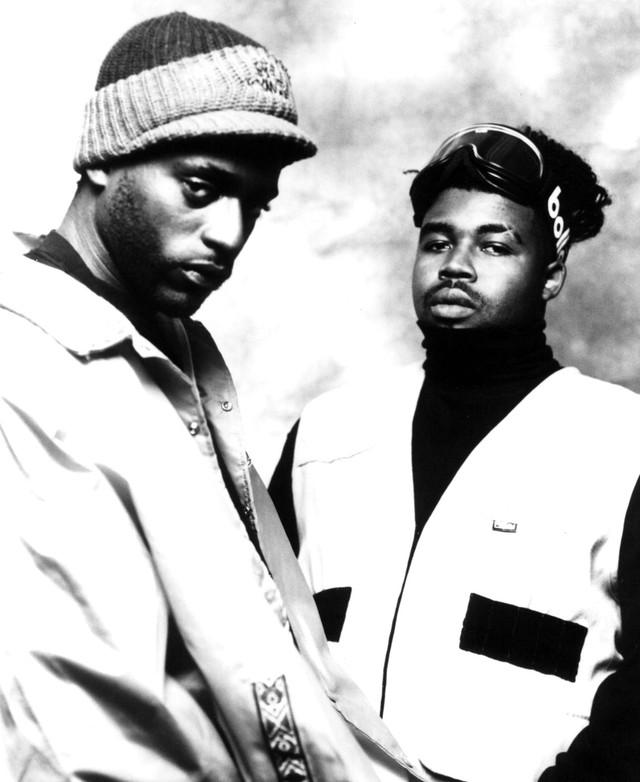
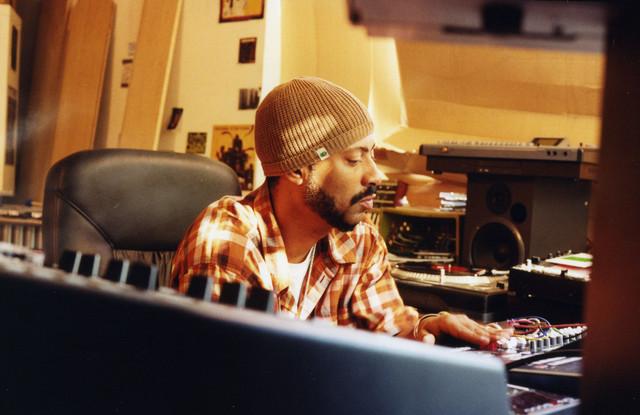
Lootpack’s Spotify BioThe Lootpack were one of several old-school revivalist crews to come out of southern California during the '90s, and recorded some of the most underappreciated music on the revitalized West Coast underground scene. The group was formed in 1990 in Oxnard, CA (a smaller beach town about a hour outside of Los Angeles), by longtime friends Madlib (producer, MC, b. Otis Jackson Jr.), Wildchild (MC, b. Jack Brown), and DJ Romes (scratching, b. Romeo Jimenez). The trio members had been trying their hand at hip-hop since junior high, and formed an official group while in college.
Their demo tape caught the attention of King Tee and Tash of Tha Alkaholiks, and soon the Lootpack joined the related collective the Likwit Crew; they also produced two tracks on Tha Alkaholiks' 1994 debut, 21 & Over, and appeared on the follow-ups Coast II Coast and Likwidation. In the meantime, the Lootpack found it difficult to land a satisfying deal of their own. Their only recorded output for a time was the 1996… EP Psyche Move, which was funded by Madlib's father, soul singer Otis Jackson Sr. Psyche Move attracted the attention of Bay Area DJ Peanut Butter Wolf, who eventually signed the group to his Stones Throw label.
The Lootpack's first Stones Throw release was the 12" single "The Anthem" in 1998. Two more singles, "Whenimondamic" and "Questions," preceded the Lootpack's first full-length album, Soundpieces: Da Antidote, which was finally issued in 1999. While it wasn't massively popular, the record caused a stir in underground hip-hop circles, winning high praise from the musicians and critics who managed to discover it. It spun off another 12" in "Weededed," and marked Madlib as a producer to watch in the new millennium. In fact, several of his side projects -- most notably the bizarre double-identity Quasimoto and the jazz-funk group Yesterday's New Quintet -- consumed his attention in the immediate wake of Soundpieces.
Though the Lootpack were largely silent on record, they continued to tour over the next few years, and DJ Romes released his own breakbeat record, Hamburger Hater Breaks, in 2001; also that year, the group assembled its own documentary film, Da Packumentary. The single "On Point" appeared in 2002, and a full-length collection of previously unreleased tracks, Lost Tapes, came out in 2004. ~ Steve Huey, Rovi
Viberate is a music analytics platform built for A&Rs, artist managers, labels, booking agents, marketers, and artists.
It helps music professionals track artist growth, analyze audience data, monitor playlist activity, compare artists, follow song performance, and identify opportunities across the music market.
Public artist pages provide a free preview of selected artist data. Paid plans provide access to deeper analytics, historical data, charts, comparisons, playlist tools, exports, alerts, reports, and additional professional features.
Yes. Public Viberate artist pages provide selected artist analytics and music data for free.
Viberate also offers a 7-day free trial of the full platform. A credit card is required to start the trial. The trial includes access to the complete product so users can test deeper artist analytics, historical views, playlist insights, comparisons, charts, exports, alerts, and reporting features before choosing a paid plan.
Viberate provides artist analytics across streaming, playlists, social media, video, radio airplay, songs, and audience markets.
Users can analyze Spotify performance, Spotify and Apple Music playlists, YouTube activity, TikTok and Instagram growth, radio spins, song performance, audience locations, demographics, rankings, and overall artist momentum.
Artist profiles also connect to music charts, similar artists, and comparison tools, helping users benchmark performance and evaluate artists in context.
Viberate updates key artist and track data daily.
For followed artists and tracks, selected data is refreshed multiple times per day. This helps teams monitor playlist changes, streaming movement, audience growth, releases, and campaign performance with more current data.
Update frequency can vary depending on the metric and data source.
Yes. Viberate lets users compare up to five artists side by side across streaming, social media, audience, and engagement metrics.
Users can compare fanbase growth, audience demographics, locations, Spotify performance, social metrics, and other artist data over selected time periods.
Artist comparison can be used for A&R scouting, benchmarking, booking decisions, campaign planning, and evaluating artists with similar audiences or market positions.