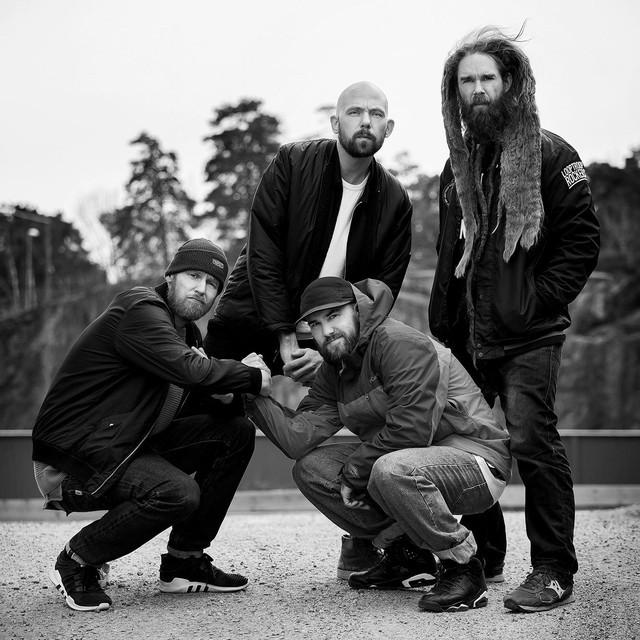
Looptroop Rockers

Hip Hop
Contemporary Hip Hop
Alternative Hip Hop
 Viberate Rank: 100713
 Viberate Rank: 100713
 Monthly ListenersFollowers
 Subscribers
 Followers
 Followers
 FansTop Spotify Songs
| Track | 7-Day Streams | |
|---|---|---|
1 | 11.08K | |
2 | 3.88K | |
3 | 3.73K | |
4 | 2.85K | |
5 | 2.55K |
Top YouTube Videos| Video | 7-Day Views | |
|---|---|---|
1 | 930 | |
2 | 767 | |
3 | 252 | |
4 | 201 | |
5 | 130 |
Monthly ListenersFeatured in Playlists| Playlist | Followers | |
|---|---|---|
1 |  Best Hip-Hop of all time Jonas de la Chaux | 55.27K |
2 | Fredy Mercury 11157859836 | 38.60K |
3 |  Bee Movie Justas Janušauskas | 28.32K |
4 |  That Golden Era Lofi Sound klasgranstrom | 27.58K |
5 |  Hip Hop Beats / Instrumentals / Boom Bap / Lofi Hip Hop Beats / Rap Beats / Instrumentals 90s 💎💎💎 Worldstar Playlists | 27.00K |
Audience| City | Monthly Listeners | |
|---|---|---|
1 | | 8.76K |
2 | | 3.77K |
3 | | 1.37K |
4 |  | 1.25K |
5 |  | 1.10K |
See full performance history, audience data, playlist activity, rankings, comparisons, and more in Viberate music analytics. Start with a free trial, then continue with a paid plan.
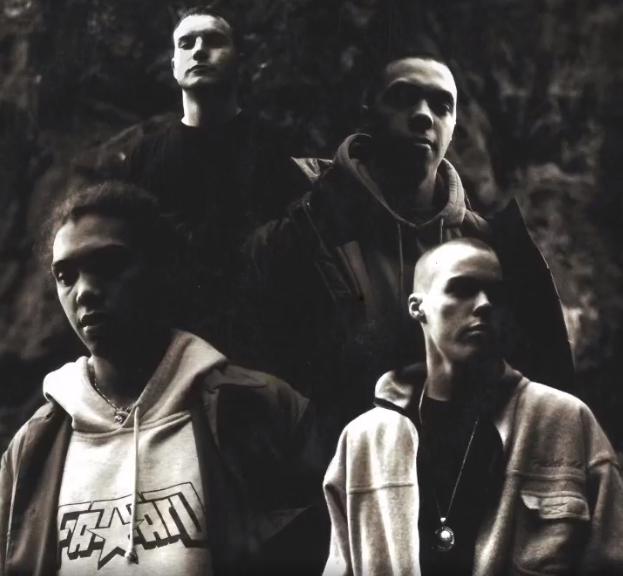
Looptroop Rockers’ Spotify BioSwedish hip-hop quartet Looptroop Rockers combine old-school, sample-heavy production with English-language rhymes. Formed in 1991 by high-school friends Promoe (rapper Martin Edh) and Embee (DJ/producer Magnus Bergkvist), Looptroop recruited CosM.I.C. (rapper Tommy Isacsson) in 1993 for the release of their debut EP, Superstars. Three Sicksteez followed in 1995, the same year they absorbed fourth member Supreme (rapper Mathias Lundh-Isén). The quartet -- still known simply as Looptroop -- issued From the Waxcabinet (1996) and Punx Not Dead (1998) before starting their own label, David Vs. Goliath (DVSG).
Their debut full-length, Modern Day City Symphony, arrived in 2000. Debuting in the Top 50 of the Swedish charts, Symphony featured one of their most popular singles, "Long Arm of the Law," the first of many politically charged statements from the Swedes. The Struggle Continues followed in 2002, charting within the Top 20. Around this time, both Promoe and Embee released solo efforts.… Government Music was Promoe's first of a half-dozen to arrive within the decade. Meanwhile, Embee's 2004 LP, Tellings from Solitaria, garnered the producer a Swedish Grammy.
In 2005 Looptroop reconvened for their third LP, Fort Europa. Peaking at number five on the Swedish charts, the album's title track continued their outspoken criticism of the government (this time against Sweden's immigration policies). After promotion for Fort Europa concluded, CosM.I.C. amicably parted ways with the group. The trio adopted the new moniker Looptroop Rockers and released their fourth effort, Good Things. Another Top Five effort, Good Things featured appearances by Mapei, Timbuktu, Alibi, and CosM.I.C. on the track "Al Mazika." CosM.I.C.'s absence would not last long, as the MC rejoined the crew in 2010, just in time for the release of their fifth LP, Professional Dreamers, in 2011.
In 2013 Looptroop Rockers went in a different direction and released their first Swedish-language effort, Mitt Hjärta är En Bomb. Featuring appearances by Cleo, Kapten Rod, Seinabo Sey, and José González, the album incorporated an electronic sheen and debuted in the Top Ten. A year later, the Naked Swedes was issued. It included guests like Sabina Ddumba and Deacon and Natti of CunninLynguists, as well as a returning spot from Seinabo Sey. "City Camo," the first single from their eighth effort, was released in 2017. ~ Neil Z. Yeung, Rovi
Viberate is a music analytics platform built for A&Rs, artist managers, labels, booking agents, marketers, and artists.
It helps music professionals track artist growth, analyze audience data, monitor playlist activity, compare artists, follow song performance, and identify opportunities across the music market.
Public artist pages provide a free preview of selected artist data. Paid plans provide access to deeper analytics, historical data, charts, comparisons, playlist tools, exports, alerts, reports, and additional professional features.
Yes. Public Viberate artist pages provide selected artist analytics and music data for free.
Viberate also offers a 7-day free trial of the full platform. A credit card is required to start the trial. The trial includes access to the complete product so users can test deeper artist analytics, historical views, playlist insights, comparisons, charts, exports, alerts, and reporting features before choosing a paid plan.
Viberate provides artist analytics across streaming, playlists, social media, video, radio airplay, songs, and audience markets.
Users can analyze Spotify performance, Spotify and Apple Music playlists, YouTube activity, TikTok and Instagram growth, radio spins, song performance, audience locations, demographics, rankings, and overall artist momentum.
Artist profiles also connect to music charts, similar artists, and comparison tools, helping users benchmark performance and evaluate artists in context.
Viberate updates key artist and track data daily.
For followed artists and tracks, selected data is refreshed multiple times per day. This helps teams monitor playlist changes, streaming movement, audience growth, releases, and campaign performance with more current data.
Update frequency can vary depending on the metric and data source.
Yes. Viberate lets users compare up to five artists side by side across streaming, social media, audience, and engagement metrics.
Users can compare fanbase growth, audience demographics, locations, Spotify performance, social metrics, and other artist data over selected time periods.
Artist comparison can be used for A&R scouting, benchmarking, booking decisions, campaign planning, and evaluating artists with similar audiences or market positions.