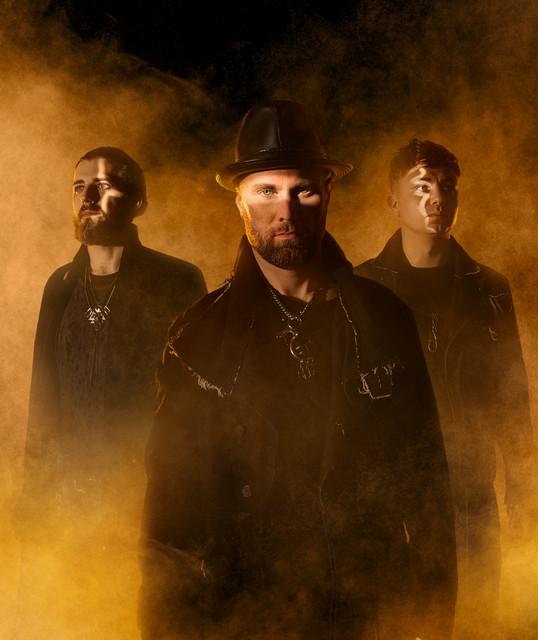
Loolacoma

Electronic
Trance
Dance
 Viberate Rank: 522032
 Viberate Rank: 522032
 Monthly ListenersFollowers
 Subscribers
 Followers
 Followers
 FansTop Spotify Songs
| Track | 7-Day Streams | |
|---|---|---|
1 | 287 | |
2 | 69 | |
3 | 60 | |
4 | 24 | |
5 | 23 |
Top YouTube VideosMonthly ListenersFeatured in Playlists| Playlist | Followers | |
|---|---|---|
1 |  #Sweetspot Jimmy Landqvist | 32.36K |
2 |  TRANCE 2026 | Hand Picked by Gareth Emery & Ashley Wallbridge | Vocal, Uplifting, Progressive Gareth Emery | 14.00K |
3 |  EDM Relax & Chillout Jonathan | 2.33K |
4 |  DARKPHORIA TUNE Playlists | 1.34K |
Audience| City | Monthly Listeners | |
|---|---|---|
1 | | 19 |
2 |  | 14 |
3 |  | 13 |
4 |  | 12 |
5 |  | 12 |
See full performance history, audience data, playlist activity, rankings, comparisons, and more in Viberate music analytics. Start with a free trial, then continue with a paid plan.
Loolacoma’s Spotify BioLOOLACOMA based in Frankfurt. Electronic project Loolacoma was founded in 2011. The group has two LPs, one EP and several singles. The musical content of the group is a mixture of classic trip-hop with modern electronics, complemented by female vocals.
In 2019, Loolacoma performed the track "Dark Angel" at the RedBullMusic Kitchen studio with Pavel Khvaleev.
The composition "Reptile's Head" became the soundtrack to the full-length horror movie «III: The Ritual", shown by the worldwide network Netflix, and the Russian-language track "Morpheus" sounds in the credits for the film "I Don't Sleep" - a contestant at the Spanish SITGES festival.
Since 2020, the group has written 3 soundtracks for domestic series produced by the SREDA film company: “Hangman” (OST Scythe), “Inside” (OST Ophiuchus), “Run!” (OST Frozen)
Viberate is a music analytics platform built for A&Rs, artist managers, labels, booking agents, marketers, and artists.
It helps music professionals track artist growth, analyze audience data, monitor playlist activity, compare artists, follow song performance, and identify opportunities across the music market.
Public artist pages provide a free preview of selected artist data. Paid plans provide access to deeper analytics, historical data, charts, comparisons, playlist tools, exports, alerts, reports, and additional professional features.
Yes. Public Viberate artist pages provide selected artist analytics and music data for free.
Viberate also offers a 7-day free trial of the full platform. A credit card is required to start the trial. The trial includes access to the complete product so users can test deeper artist analytics, historical views, playlist insights, comparisons, charts, exports, alerts, and reporting features before choosing a paid plan.
Viberate provides artist analytics across streaming, playlists, social media, video, radio airplay, songs, and audience markets.
Users can analyze Spotify performance, Spotify and Apple Music playlists, YouTube activity, TikTok and Instagram growth, radio spins, song performance, audience locations, demographics, rankings, and overall artist momentum.
Artist profiles also connect to music charts, similar artists, and comparison tools, helping users benchmark performance and evaluate artists in context.
Viberate updates key artist and track data daily.
For followed artists and tracks, selected data is refreshed multiple times per day. This helps teams monitor playlist changes, streaming movement, audience growth, releases, and campaign performance with more current data.
Update frequency can vary depending on the metric and data source.
Yes. Viberate lets users compare up to five artists side by side across streaming, social media, audience, and engagement metrics.
Users can compare fanbase growth, audience demographics, locations, Spotify performance, social metrics, and other artist data over selected time periods.
Artist comparison can be used for A&R scouting, benchmarking, booking decisions, campaign planning, and evaluating artists with similar audiences or market positions.