Long Mama

Country
Americana/Alt Country
Newgrass
 Viberate Rank: 466845
 Viberate Rank: 466845
 Monthly ListenersFollowers
 Subscribers
 Followers
 Followers
 FansTop Spotify Songs
| Track | 7-Day Streams | |
|---|---|---|
1 | 28 | |
2 | 16 | |
3 | 15 | |
4 | 12 | |
5 | 11 |
Top YouTube VideosMonthly ListenersFeatured in Playlists| Playlist | Followers | |
|---|---|---|
1 |  Midwest Indie-folk JS Records | 7.46K |
2 |  The Ultimate Jamgrass/Newgrass/Progressive Bluegrass Playlist lucasingmire | 1.57K |
Audience| City | Monthly Listeners | |
|---|---|---|
1 | | 36 |
2 | | 7 |
3 | | 4 |
4 | | 3 |
5 | | 3 |
See full performance history, audience data, playlist activity, rankings, comparisons, and more in Viberate music analytics. Start with a free trial, then continue with a paid plan.
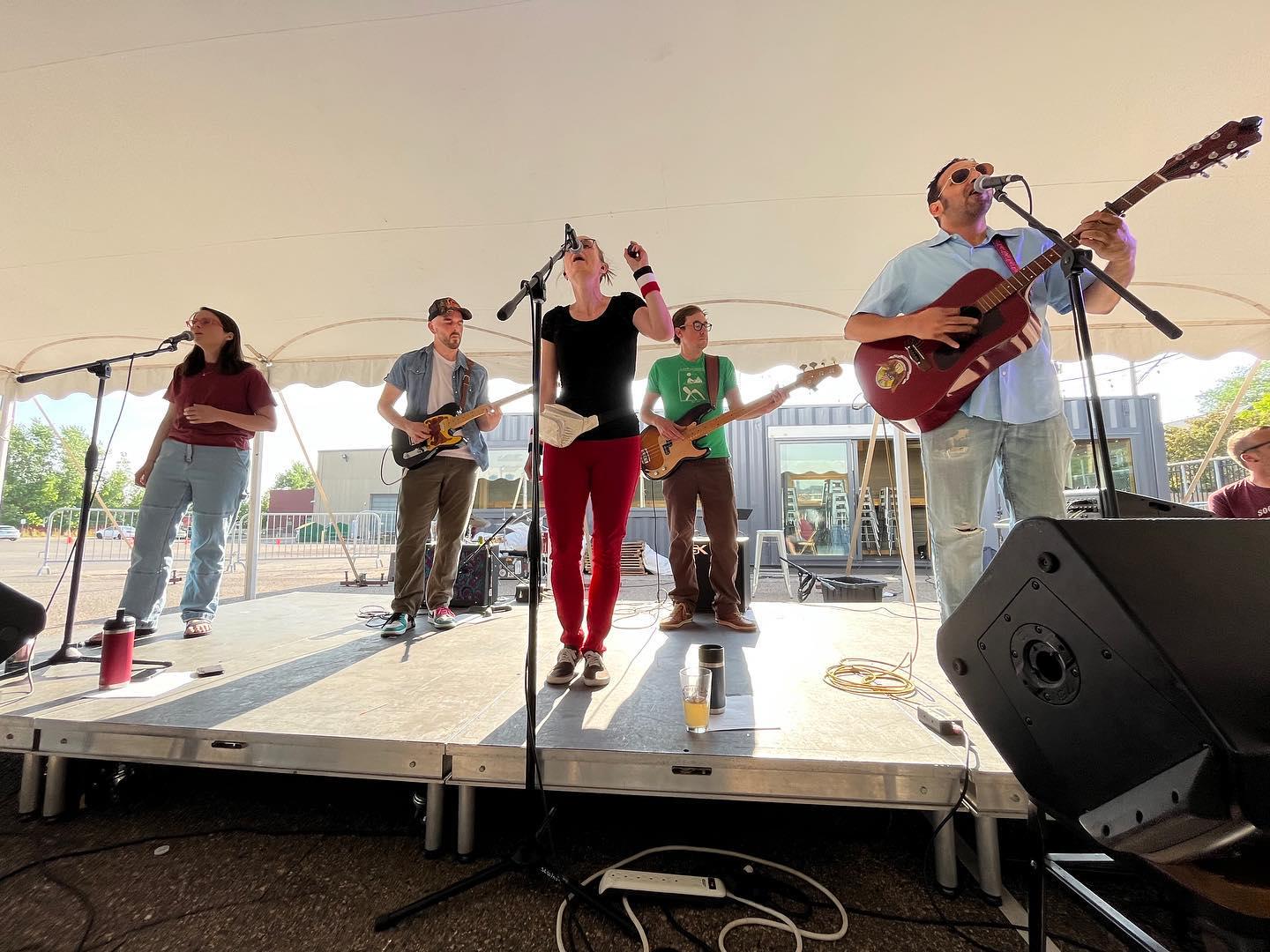
Long Mama’s Spotify BioLong Mama’s music blisters with the heart and grit of someone who has lost hard, loved harder, and licked her burns until they stung then silvered. In a drafty attic just west of the Milwaukee River she grew up on, you’ll find songwriter Kat Wodtke (Wood-key) raking through notebooks in search of a salve: words, stories, and sounds to temper the dumpster fires we never mean to light. Flickering behind each song is Wodtke’s lived insight into our human faults & fissures – the moments in life when we can slip and lose our footing, or claw our way out…better people on the other side of the blaze.
Poor Pretender, Long Mama’s debut album, embraces a rich spectrum of light and shadow, heat and cold. Featuring Andrew Koenig (electric guitar), Samual Odin (upright bass), Nick Lang (drums), Eva Nimmer (backing vocals), and Erik Koskinen (lap steel, wurlitzer, and more), the ten-song collection’s palette of country, folk, indie rock, and punk reflects its makers' coming-of-age in the rustbelt… crossroads of north, south, east, & west. Engineered by Koskinen and recorded live over a long, snowy weekend in Cleveland, Minnesota, the album showcases the band’s particular ability to conjure the beautiful in the broken, the silver in the ore.
Viberate is a music analytics platform built for A&Rs, artist managers, labels, booking agents, marketers, and artists.
It helps music professionals track artist growth, analyze audience data, monitor playlist activity, compare artists, follow song performance, and identify opportunities across the music market.
Public artist pages provide a free preview of selected artist data. Paid plans provide access to deeper analytics, historical data, charts, comparisons, playlist tools, exports, alerts, reports, and additional professional features.
Yes. Public Viberate artist pages provide selected artist analytics and music data for free.
Viberate also offers a 7-day free trial of the full platform. A credit card is required to start the trial. The trial includes access to the complete product so users can test deeper artist analytics, historical views, playlist insights, comparisons, charts, exports, alerts, and reporting features before choosing a paid plan.
Viberate provides artist analytics across streaming, playlists, social media, video, radio airplay, songs, and audience markets.
Users can analyze Spotify performance, Spotify and Apple Music playlists, YouTube activity, TikTok and Instagram growth, radio spins, song performance, audience locations, demographics, rankings, and overall artist momentum.
Artist profiles also connect to music charts, similar artists, and comparison tools, helping users benchmark performance and evaluate artists in context.
Viberate updates key artist and track data daily.
For followed artists and tracks, selected data is refreshed multiple times per day. This helps teams monitor playlist changes, streaming movement, audience growth, releases, and campaign performance with more current data.
Update frequency can vary depending on the metric and data source.
Yes. Viberate lets users compare up to five artists side by side across streaming, social media, audience, and engagement metrics.
Users can compare fanbase growth, audience demographics, locations, Spotify performance, social metrics, and other artist data over selected time periods.
Artist comparison can be used for A&R scouting, benchmarking, booking decisions, campaign planning, and evaluating artists with similar audiences or market positions.