Lonestar Massacre

Metal
Metalcore/Deathcore
 Viberate Rank: 708491
 Viberate Rank: 708491
 Monthly ListenersFollowers
 Subscribers
 Followers
 Followers
 FansTop Spotify SongsTop YouTube VideosMonthly ListenersFeatured in Playlists
| Playlist | Followers | |
|---|---|---|
1 |  all metalheads are dumb Deadcor Promotion | 8.51K |
2 |  New Deathcore 2026 RIFF CULT | 4.21K |
3 |  PURE DEATHCORE Pure Core | 3.85K |
4 |  allmetalheadsaredumb Deadcor Promotion Playlist | 2.88K |
5 |  Underground Metal Pure Core | 2.89K |
Audience| City | Monthly Listeners | |
|---|---|---|
1 | | 3 |
See full performance history, audience data, playlist activity, rankings, comparisons, and more in Viberate music analytics. Start with a free trial, then continue with a paid plan.
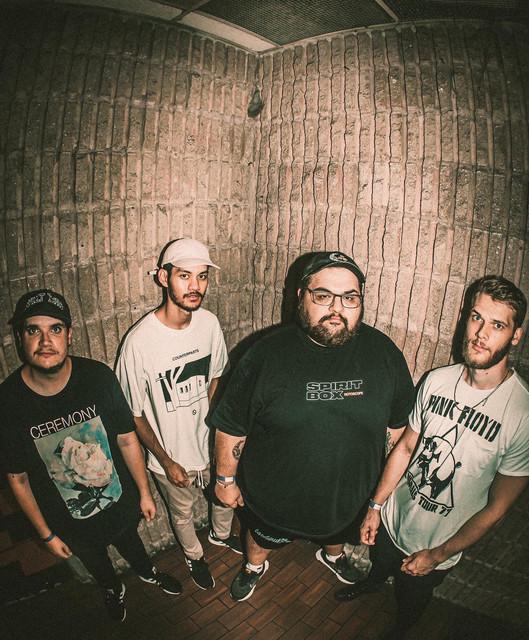
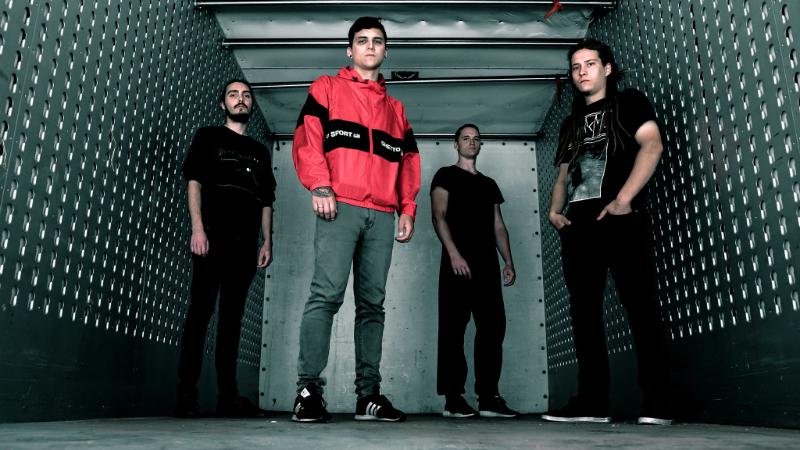
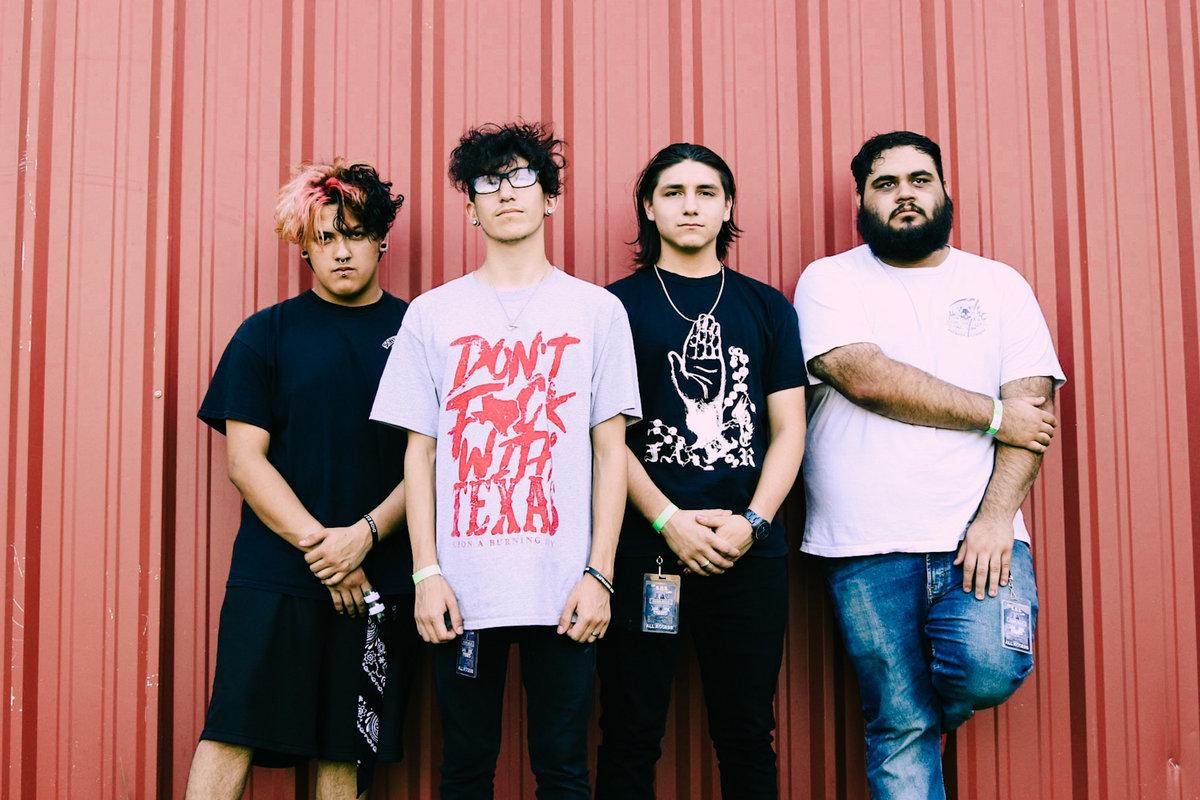
Lonestar Massacre’s Spotify BioLonestar Massacre is a deathcore band hailing from San Antonio, Texas, formed in 2018 and recognized for their unrelenting brutality and dark blend of religious and horror-inspired lyrics.
The group emerged after the dissolution of a previous project by Hondo Hernandez (vocals) and Jerimiah Rios (guitar). Determined to continue creating music, they set out to craft a heavier, modern sound. Hondo shifted his focus fully to vocals, while Jerimiah—bringing his classical guitar and technical death metal background—helped forge the intense style they envisioned.
They initially recruited Isaiah Gutierrez (a longtime childhood friend of Hondo) on drums, and guitarist Steven Stallings, discovered through social media. Early lineup changes saw Isaiah and Steven depart, leading to the arrival of Korvin Gonzales on drums—bringing a punk rock/hardcore edge—and bassist Joseph “Big Smoke” Garcia.
The band steadily released music, played local shows, and toured until Hondo’s enlistment in the U.S. Navy.… Despite his service, he remained the band’s frontman, contributing whenever possible. Upon his return, Garcia stepped away to focus on family, and Kaleb Brooks, another childhood friend, took over on bass—a role he holds to this day.
Lonestar Massacre has worked extensively with producer Chris Mora, maintaining a trusted creative partnership. Today, they continue to tour and perform across the U.S., delivering their signature brand of modern deathcore with unflinching intensity.
Viberate is a music analytics platform built for A&Rs, artist managers, labels, booking agents, marketers, and artists.
It helps music professionals track artist growth, analyze audience data, monitor playlist activity, compare artists, follow song performance, and identify opportunities across the music market.
Public artist pages provide a free preview of selected artist data. Paid plans provide access to deeper analytics, historical data, charts, comparisons, playlist tools, exports, alerts, reports, and additional professional features.
Yes. Public Viberate artist pages provide selected artist analytics and music data for free.
Viberate also offers a 7-day free trial of the full platform. A credit card is required to start the trial. The trial includes access to the complete product so users can test deeper artist analytics, historical views, playlist insights, comparisons, charts, exports, alerts, and reporting features before choosing a paid plan.
Viberate provides artist analytics across streaming, playlists, social media, video, radio airplay, songs, and audience markets.
Users can analyze Spotify performance, Spotify and Apple Music playlists, YouTube activity, TikTok and Instagram growth, radio spins, song performance, audience locations, demographics, rankings, and overall artist momentum.
Artist profiles also connect to music charts, similar artists, and comparison tools, helping users benchmark performance and evaluate artists in context.
Viberate updates key artist and track data daily.
For followed artists and tracks, selected data is refreshed multiple times per day. This helps teams monitor playlist changes, streaming movement, audience growth, releases, and campaign performance with more current data.
Update frequency can vary depending on the metric and data source.
Yes. Viberate lets users compare up to five artists side by side across streaming, social media, audience, and engagement metrics.
Users can compare fanbase growth, audience demographics, locations, Spotify performance, social metrics, and other artist data over selected time periods.
Artist comparison can be used for A&R scouting, benchmarking, booking decisions, campaign planning, and evaluating artists with similar audiences or market positions.