Lonelady

Rock
Alternative Rock
Indie Rock
Indie Pop
 Viberate Rank: 177712
 Viberate Rank: 177712
 Monthly ListenersFollowers
 Subscribers
 Followers
 Followers
 FansTop Spotify Songs
| Track | 7-Day Streams | |
|---|---|---|
1 | 1.90K | |
2 | 369 | |
3 | 308 | |
4 | 259 | |
5 | 164 |
Top YouTube VideosMonthly ListenersFeatured in Playlists| Playlist | Followers | |
|---|---|---|
1 |  Fate: The Winx Saga Official Playlist Netflix | 25.86K |
2 |  Ben Watt's SpinCycle Ben Watt | 23.17K |
3 |  Warp Records andy_phology | 16.72K |
4 |  Party and Play PlayStation®️ | 15.87K |
5 |  Yorekok yorekokmodeextreme | 13.46K |
Audience| City | Monthly Listeners | |
|---|---|---|
1 | | 759 |
2 | | 314 |
3 | | 146 |
4 |  | 131 |
5 | | 128 |
See full performance history, audience data, playlist activity, rankings, comparisons, and more in Viberate music analytics. Start with a free trial, then continue with a paid plan.
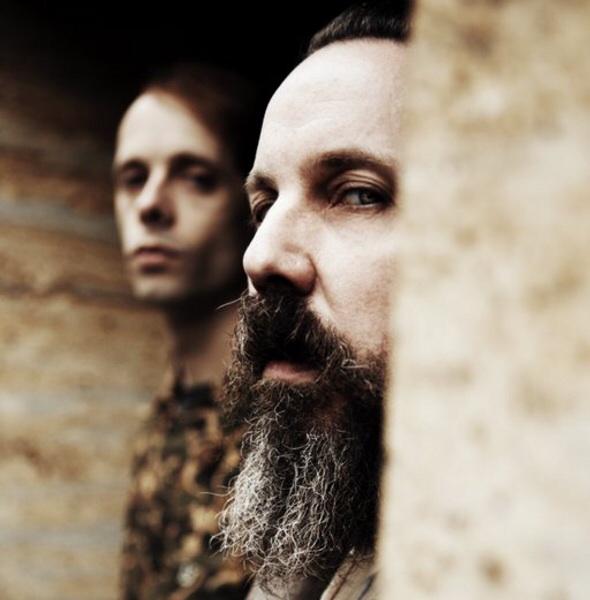
Lonelady’s Spotify BioSigning to Warp Julie Campbell AKA LoneLady released her debut album, the starkly urgent ‘Nerve Up’ in 2010 to critical acclaim. The NME called it ”A unique, brilliant debut…we should celebrate LoneLady as the arrival of a fresh and invigorating voice whose talent transcends time, space and influence”.
Inspired by the urban landscapes of her home city of Manchester, her second album ”Hinterland” (Warp, 2015) incorporated funk influences and appeared in many Best Album Of The Year Lists. Campbell wrote, recorded, mixed and produced Hinterland in her home studio. She then travelled to Keyclub Recording Co, Michigan, for additional mixing with Bill Skibbe. The Quietus called it ”A vibrant and urgent vision - truly a masterpiece.” All four singles released reached the ‘A’ Playlist on BBC6 Music and LoneLady received a Sky Arts nomination for Best Breakthrough Artist.
Created on electronic sequencers, synths and drum machines LoneLady’s 3rd studio album ‘Former Things’ (Warp, 2021) is a… tour-de-force of punch-and-crunch electro. It garnered widespread acclaim including Album Of The Year in Electronic Sound and a performance of lead single ‘(There Is) No Logic’ on ‘Later …With Jools Holland.’
LoneLady has toured extensively, appearing at Glastonbury, Latitude, Iceland Airwaves, SXSW and more. She has supported and gained fans in Peter Buck (REM), New Order, Sleaford Mods, Gaz Coombes and Primal Scream.
All songs are written and produced by Julie Campbell.
Viberate is a music analytics platform built for A&Rs, artist managers, labels, booking agents, marketers, and artists.
It helps music professionals track artist growth, analyze audience data, monitor playlist activity, compare artists, follow song performance, and identify opportunities across the music market.
Public artist pages provide a free preview of selected artist data. Paid plans provide access to deeper analytics, historical data, charts, comparisons, playlist tools, exports, alerts, reports, and additional professional features.
Yes. Public Viberate artist pages provide selected artist analytics and music data for free.
Viberate also offers a 7-day free trial of the full platform. A credit card is required to start the trial. The trial includes access to the complete product so users can test deeper artist analytics, historical views, playlist insights, comparisons, charts, exports, alerts, and reporting features before choosing a paid plan.
Viberate provides artist analytics across streaming, playlists, social media, video, radio airplay, songs, and audience markets.
Users can analyze Spotify performance, Spotify and Apple Music playlists, YouTube activity, TikTok and Instagram growth, radio spins, song performance, audience locations, demographics, rankings, and overall artist momentum.
Artist profiles also connect to music charts, similar artists, and comparison tools, helping users benchmark performance and evaluate artists in context.
Viberate updates key artist and track data daily.
For followed artists and tracks, selected data is refreshed multiple times per day. This helps teams monitor playlist changes, streaming movement, audience growth, releases, and campaign performance with more current data.
Update frequency can vary depending on the metric and data source.
Yes. Viberate lets users compare up to five artists side by side across streaming, social media, audience, and engagement metrics.
Users can compare fanbase growth, audience demographics, locations, Spotify performance, social metrics, and other artist data over selected time periods.
Artist comparison can be used for A&R scouting, benchmarking, booking decisions, campaign planning, and evaluating artists with similar audiences or market positions.