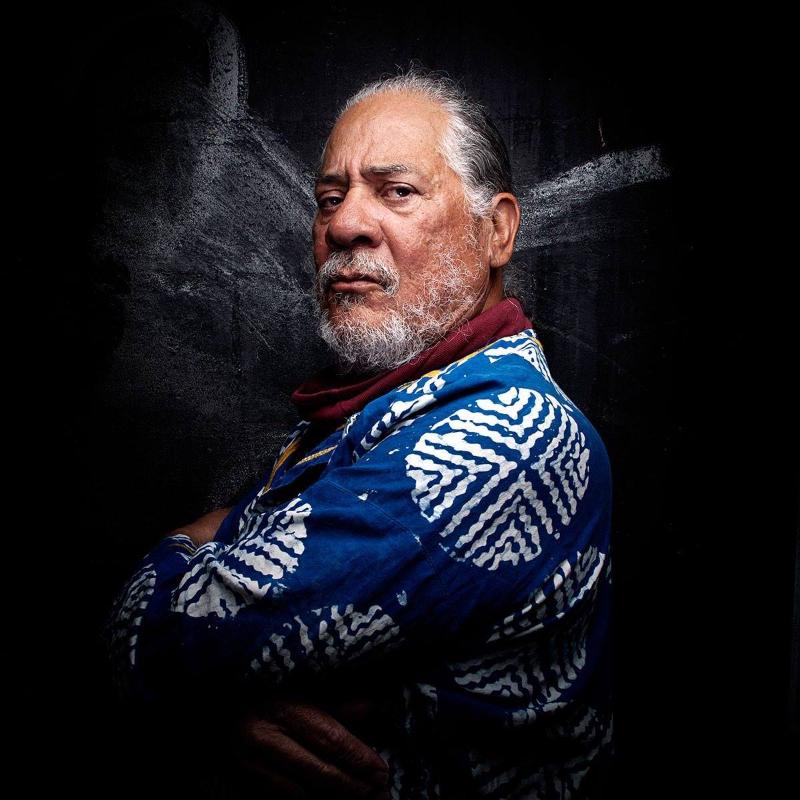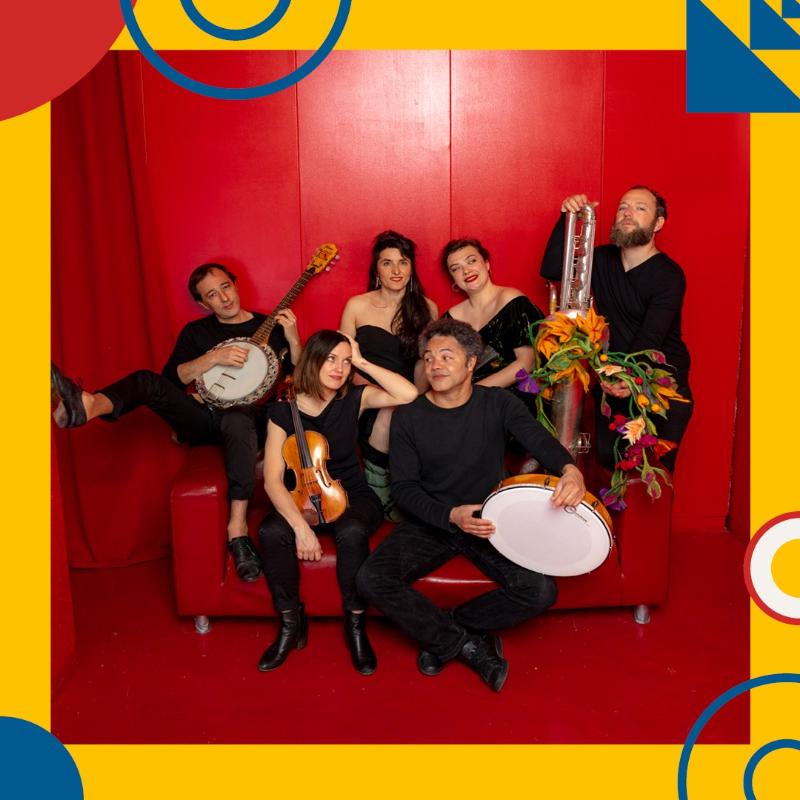
Lo'Jo

European
French Folk
 Viberate Rank: 197500
 Viberate Rank: 197500
 Monthly ListenersFollowers
 Subscribers
 Followers
 Followers
 FansTop Spotify Songs
| Track | 7-Day Streams | |
|---|---|---|
1 | 600 | |
2 | 198 | |
3 | 187 | |
4 | 178 | |
5 | 135 |
Top YouTube VideosMonthly ListenersFeatured in Playlists| Playlist | Followers | |
|---|---|---|
1 | France Inter : la playlist des jours de grève fredmeg | 10.59K |
2 |  french music Christian Marty | 6.63K |
3 |  Folkmusiken i P2 P2 Sveriges Radio | 3.87K |
4 |  French Indie Melancholia - I Don't Speak French, But I Feel It TDLp | 2.47K |
5 |  ||| RADIO FIP Morren80 | 1.85K |
Audience| City | Monthly Listeners | |
|---|---|---|
1 | | 217 |
2 | | 82 |
3 | | 73 |
4 |  | 60 |
5 | | 59 |
See full performance history, audience data, playlist activity, rankings, comparisons, and more in Viberate music analytics. Start with a free trial, then continue with a paid plan.
Lo'Jo’s Spotify BioLo'Jo are as much about an idea as they are about the music they make. Founded in 1982 in the small French town of Angers by singer/keyboardist Denis Péan, they've been involved in multimedia shows, circuses, politics, and even hosted a festival in the Malian desert; not your basic group by any means. Lo'Jo Triban -- their full title -- had been in existence for a year when Richard Bourreau (violin/kora) joined and the music began to gel. For several years, they played events locally with a rotating cast of members, working with dancers and film as part of their overall presentation. And by the end of the decade, they were playing throughout Europe and had even made a couple of trips to the U.S. with an artists' collective to appear in New York. Curiously, though, they didn't enter the studio to record until 1992, when they made Fils de Zamal, which appeared the following year along with G7 of Destruction & Artisans of Peace, a firm statement of their political stance. Things really… began to come together in 1995 with the addition of singer/saxophonist Yamina Nid El Mourid and her sister, Nadia, who brought a strong North African influence to the music. In 1996, the new lineup recorded "Sin Acabar" with sympathetic English producer Justin Adams, and 1997 saw them complete the Mojo Radio disc with Adams. Upon its release in 1998, they found plenty of open ears in the world music community, getting them on the WOMAD circuit, which introduced them to a global audience and they proved to be the hit of the first WOMADUSA. But far from content to rest on their laurels, they produced an album for Benin's Gangbe Brass Band. In 1999, they also journeyed to Bamako, Mali, to begin work on their next disc, with Adams again producing. Boheme de Cristal appeared in 2000 (2001 U.S., followed by the belated domestic release of Mojo Radio in 2002), and the band once more undertook a U.S. tour. While in Mali, they'd come into contact with the nomadic Tuareg people in the form of the musical group Tinariwen, and they became involved in the organization of Festival of the Desert, held in the Sahara in Mali in January 2001. Their experiences in North Africa and subsequent tour with Tinariwen influenced their next studio album, Au Cabaret Sauvage, which was released in 2002. Following 2003's live release, Ce Soir Là...Live, which was culled from shows in France and Quebec, Lo'Jo's lineup again shifted with newcomer Franck Vaillant replacing longtime drummer Mathieu Rousseau. Their musically diverse sixth LP, Bazar Savant, featured guest performances from Tinariwen, bandoneon player Cesar Stroscio, and reggae artist Bunny Barrington Dudley, and added more rock influences. A 2007 anthology, Tu Connais Lo'Jo, marked the band's 25th anniversary which they commemorated with a three-day stint at Parisian venue La Maroquinerie. In keeping with their multimedia spirit, the shows also included art installations and poetry readings. 2009's Cosmophono offered a darker, more acoustic sound and was followed by a lengthy bout of touring. Lo'Jo remained active on and off over the next few years, returning in 2012 with another collaborative effort in Cinema el Mundo, which featured Argentinian duo Las Hermanas Caronni and U.K. rocker Robert Wyatt. Their next release, 2014's 310 Lunes, marked the band's 32nd year together (hence the 310 moons) and comprised two parts: a disc featuring a number of their songs arranged for chamber brass and a second disc containing their very rare and previously out of print 1990 debut The International Courabou. Ever evolving, Lo'Jo opted for a more pop-oriented sound on 2017's Fonetiq Flowers. ~ Chris Nickson, Rovi
Viberate is a music analytics platform built for A&Rs, artist managers, labels, booking agents, marketers, and artists.
It helps music professionals track artist growth, analyze audience data, monitor playlist activity, compare artists, follow song performance, and identify opportunities across the music market.
Public artist pages provide a free preview of selected artist data. Paid plans provide access to deeper analytics, historical data, charts, comparisons, playlist tools, exports, alerts, reports, and additional professional features.
Yes. Public Viberate artist pages provide selected artist analytics and music data for free.
Viberate also offers a 7-day free trial of the full platform. A credit card is required to start the trial. The trial includes access to the complete product so users can test deeper artist analytics, historical views, playlist insights, comparisons, charts, exports, alerts, and reporting features before choosing a paid plan.
Viberate provides artist analytics across streaming, playlists, social media, video, radio airplay, songs, and audience markets.
Users can analyze Spotify performance, Spotify and Apple Music playlists, YouTube activity, TikTok and Instagram growth, radio spins, song performance, audience locations, demographics, rankings, and overall artist momentum.
Artist profiles also connect to music charts, similar artists, and comparison tools, helping users benchmark performance and evaluate artists in context.
Viberate updates key artist and track data daily.
For followed artists and tracks, selected data is refreshed multiple times per day. This helps teams monitor playlist changes, streaming movement, audience growth, releases, and campaign performance with more current data.
Update frequency can vary depending on the metric and data source.
Yes. Viberate lets users compare up to five artists side by side across streaming, social media, audience, and engagement metrics.
Users can compare fanbase growth, audience demographics, locations, Spotify performance, social metrics, and other artist data over selected time periods.
Artist comparison can be used for A&R scouting, benchmarking, booking decisions, campaign planning, and evaluating artists with similar audiences or market positions.