L.J. Reynolds


R&B
Soul
Disco
 Viberate Rank: 233045
 Viberate Rank: 233045
 Monthly ListenersFollowers
 Subscribers
 Followers
 Followers
 FansTop Spotify Songs
| Track | 7-Day Streams | |
|---|---|---|
1 | 1.42K | |
2 | 805 | |
3 | 472 | |
4 | 107 | |
5 | 79 |
Top YouTube Videos| Video | 7-Day Views | |
|---|---|---|
1 | 6.50K | |
2 | 4.83K | |
3 | 1.59K | |
4 | 466 | |
5 | 397 |
Monthly ListenersFeatured in Playlists| Playlist | Followers | |
|---|---|---|
1 | R&B Wedding Love Songs Phoenix Live Events 1 | 9.30K |
2 | Southern Soul Blues/ Grown Folk Music Pete | 5.72K |
3 | Jonathan Butler — The Best Of Jonathan Butler mccarrolldarla | 5.63K |
4 | Gilles Peterson 🔊 (BBC 6 Music) reacharound98 | 4.00K |
5 |  The Soft & Soulful Playlist Candi Staton | 3.26K |
Audience| City | Monthly Listeners | |
|---|---|---|
1 | | 341 |
2 | | 321 |
3 |  | 251 |
4 | | 87 |
5 |  | 84 |
See full performance history, audience data, playlist activity, rankings, comparisons, and more in Viberate music analytics. Start with a free trial, then continue with a paid plan.
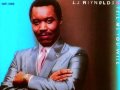
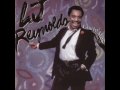
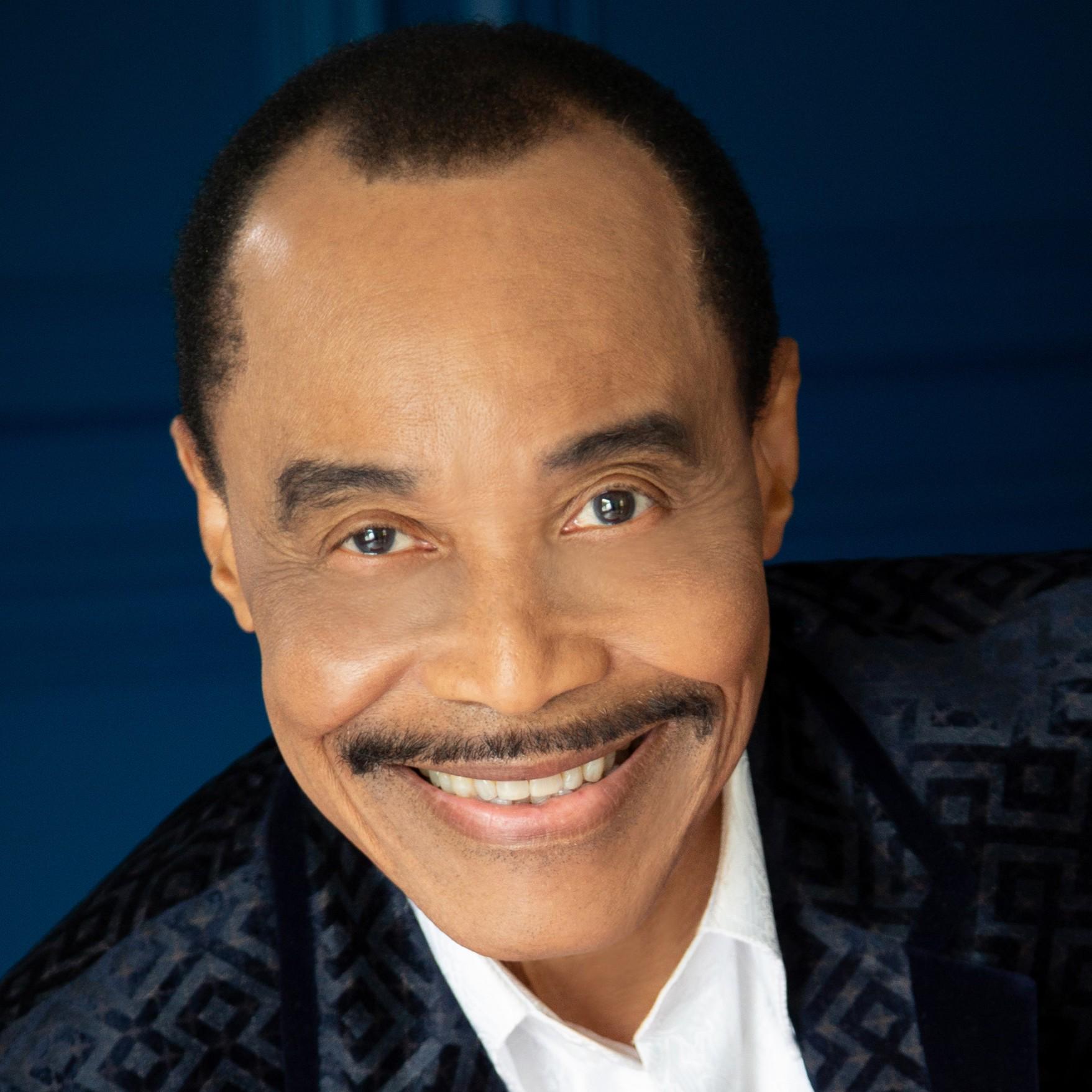
L.J. Reynolds’ Spotify BioVocalist L.J. Reynolds hovered on the edge of stardom in the '80s, but never made the major single or album he needed to explode as a solo artist. Reynolds had some good singles in the early '60s, when he was recording for Tri-Spin as Larry "Chubby" Reynolds. He moved to Mainstream in 1969, then was lead vocalist for The Relations in 1970. After cutting singles for several small independents and landing one Law-ton single in the R&B Top 30 ("Let One Hurt Do" in 1971), Reynolds replaced William Howard in The Dramatics in 1973, remaining with them until 1980. He then signed a solo deal with Capitol, and his LPs were frequently well received, but never sold very well. Only the song "Touch Down" among his many Capitol releases ever reached the R&B Top 30. Reynolds rejoined The Dramatics in 1986. ~ Ron Wynn, Rovi
Viberate is a music analytics platform built for A&Rs, artist managers, labels, booking agents, marketers, and artists.
It helps music professionals track artist growth, analyze audience data, monitor playlist activity, compare artists, follow song performance, and identify opportunities across the music market.
Public artist pages provide a free preview of selected artist data. Paid plans provide access to deeper analytics, historical data, charts, comparisons, playlist tools, exports, alerts, reports, and additional professional features.
Yes. Public Viberate artist pages provide selected artist analytics and music data for free.
Viberate also offers a 7-day free trial of the full platform. A credit card is required to start the trial. The trial includes access to the complete product so users can test deeper artist analytics, historical views, playlist insights, comparisons, charts, exports, alerts, and reporting features before choosing a paid plan.
Viberate provides artist analytics across streaming, playlists, social media, video, radio airplay, songs, and audience markets.
Users can analyze Spotify performance, Spotify and Apple Music playlists, YouTube activity, TikTok and Instagram growth, radio spins, song performance, audience locations, demographics, rankings, and overall artist momentum.
Artist profiles also connect to music charts, similar artists, and comparison tools, helping users benchmark performance and evaluate artists in context.
Viberate updates key artist and track data daily.
For followed artists and tracks, selected data is refreshed multiple times per day. This helps teams monitor playlist changes, streaming movement, audience growth, releases, and campaign performance with more current data.
Update frequency can vary depending on the metric and data source.
Yes. Viberate lets users compare up to five artists side by side across streaming, social media, audience, and engagement metrics.
Users can compare fanbase growth, audience demographics, locations, Spotify performance, social metrics, and other artist data over selected time periods.
Artist comparison can be used for A&R scouting, benchmarking, booking decisions, campaign planning, and evaluating artists with similar audiences or market positions.